Cheapest Home Backup Power System 2026: DIY vs Pre-Built

Photo by Jackery Power Station on Unsplash
Cheapest Home Backup Power System 2026: DIY vs Pre-Built
When the grid goes down, you don’t need to spend thousands to keep the lights on. The cheapest home backup power systems in 2026 range from under- UPS units that protect a single room to portable power stations that run essential loads for hours. This guide breaks down real costs, runtime expectations, and the DIY vs. pre-built tradeoff so you can pick the option that fits your home and wallet.
Understanding the Cost Spectrum
Home backup power falls into three tiers, each solving different outage scenarios:
Budget-tier : UPS units and small portable power stations (240–500 Wh). These protect critical devices (fridge, lights, medical equipment) for a few hours.
Mid-tier : Larger portable power stations (1,000–2,000 Wh) and entry-level DIY battery boxes (3,000–5,000 Wh). These run multiple circuits for 4–12 hours.
Premium-tier (+): Whole-home systems, Tesla Powerwalls, and fully integrated solar + battery setups. These are the “set and forget” option but carry installation costs.
The cheapest systems don’t mean cheapest per watt—they mean lowest upfront cost for your specific need. A budget UPS might cost less than a mid-tier portable station, but it also can’t power a refrigerator. The math changes once you factor in runtime and load.
Budget-Tier: UPS Units and Small Batteries
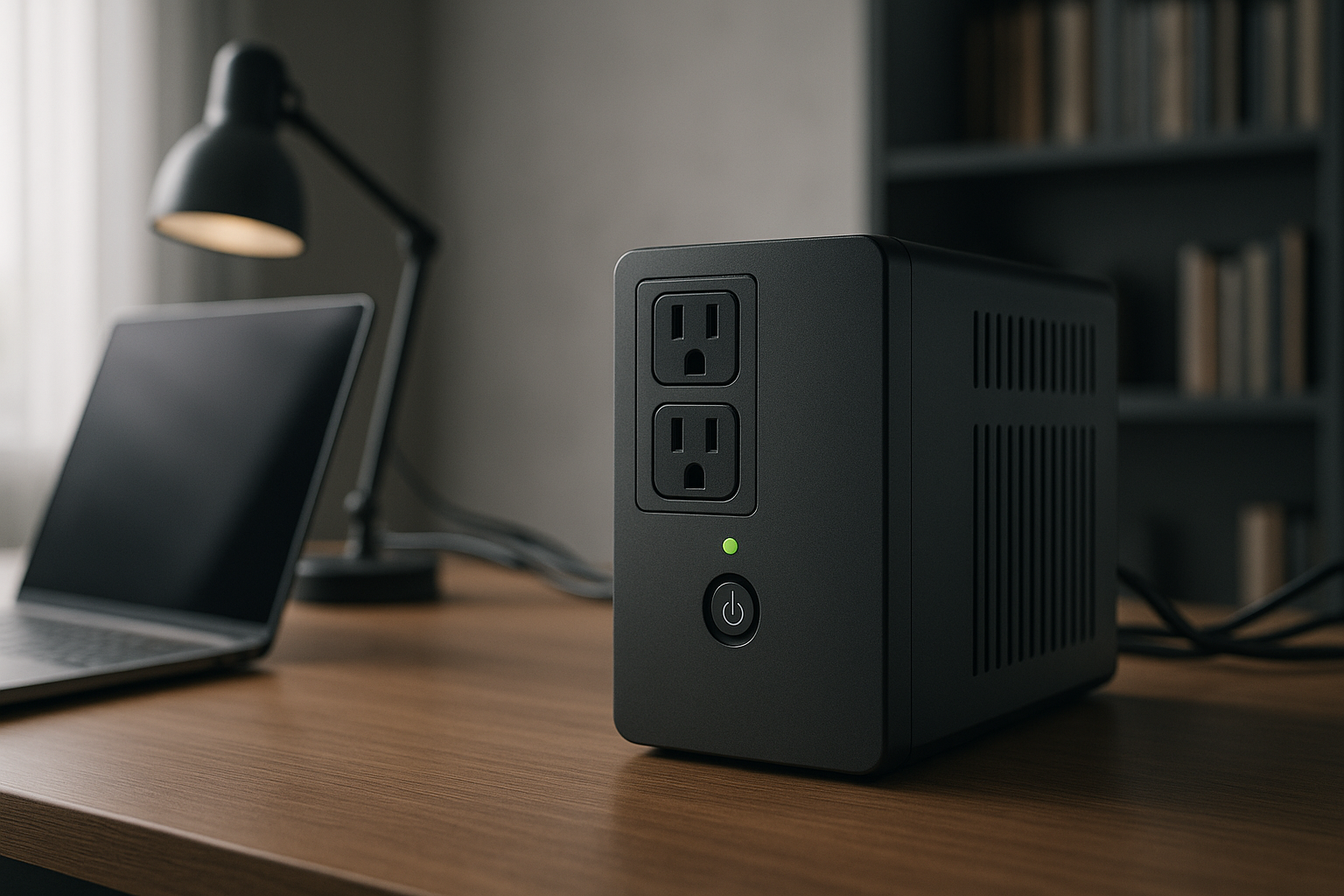
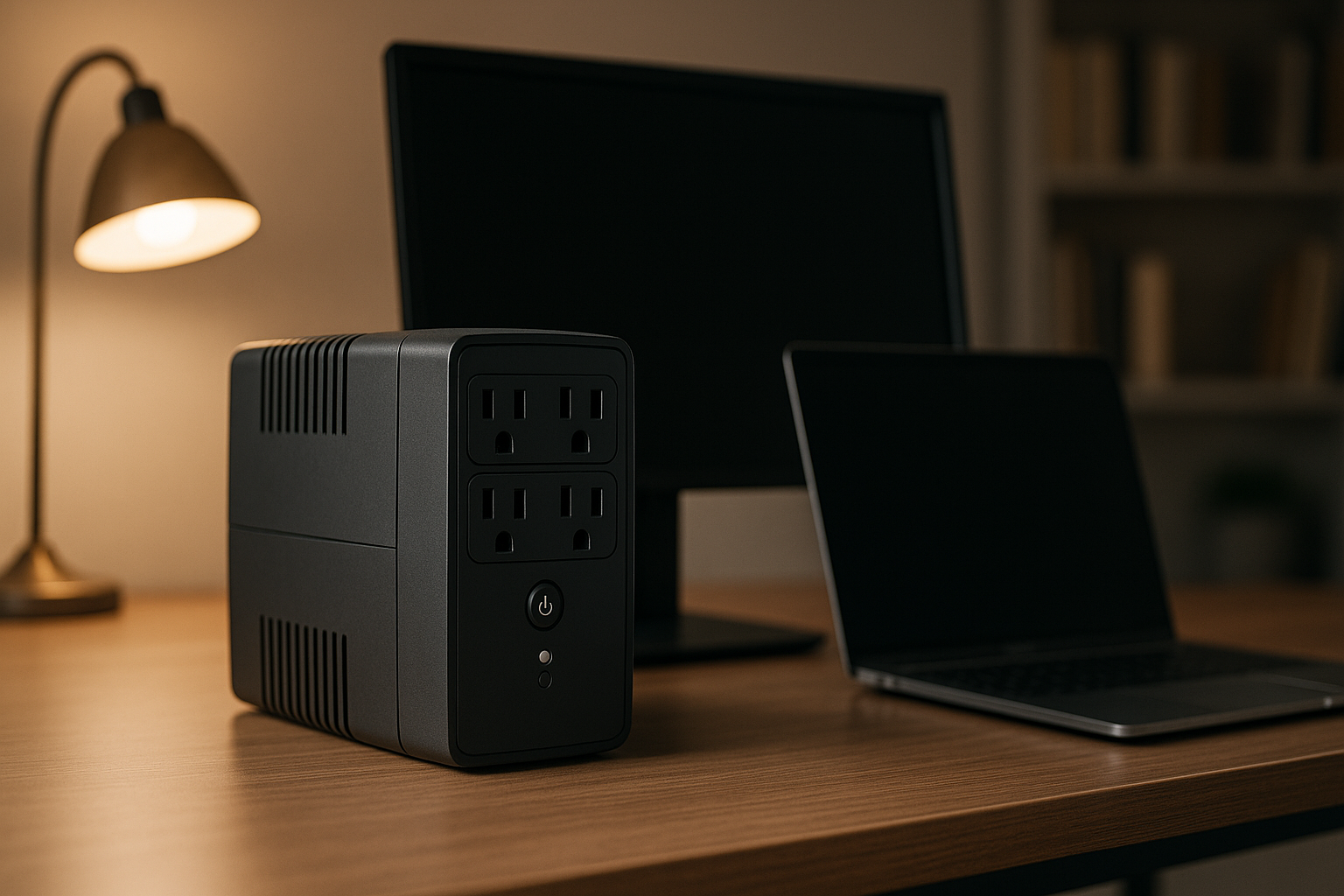
What they do: Uninterruptible Power Supplies (UPS) and compact portable batteries bridge the gap between “no power” and “generator running.” They’re designed to keep one or two circuits alive for 30 minutes to 4 hours, depending on load.
Why they’re cheap: They’re mass-produced, require no installation, and don’t need to handle whole-home loads. A budget UPS like the APC Back-UPS Pro 1000VA but covers essential loads (router, modem, lights, small refrigerator) for 1–2 hours per charge.
Real-world use case: Your power flickers out at 2 a.m. A budget UPS keeps your router, phone charger, and one lamp running long enough to see what’s happening. If the outage is brief (under an hour), you never need anything else. If it lasts longer, you have time to start a generator or move perishables.
Trade-off: Limited runtime. Once the battery drains, you’re back to zero unless you recharge it (which requires power) or have a secondary power source like a generator or solar panel.
For more detail on UPS options, see Best Uninterruptible Power Supply for Home Office 2026.
Mid-Tier Portable Power Stations: The Sweet Spot for Cost vs. Runtime
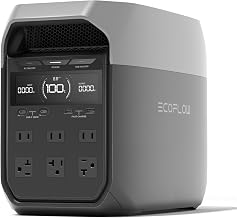
Portable power stations (also called portable generators or battery boxes) are the most flexible budget option. They cost more than a UPS but less than a whole-home system, and they work without grid power or gas.
Why they’re cost-effective: No installation, no fuel delivery, no monthly fees. You buy once, charge it when the power’s on, and it’s ready. Prices have dropped significantly since 2024; budget-friendly models with 300–500 watt-hours now.
Capacity and runtime matter more than sticker price: - A 300 Wh battery runs a laptop for ~10 hours, a mini-fridge for 2–3 hours, or LED lights for 20+ hours. - A 1,000 Wh battery runs a full fridge for 4–6 hours or a TV + lights for 8+ hours. - A 2,000 Wh battery covers most single-room loads overnight.
Real-world example: 
Trade-off: You’re limited by capacity. A single portable station won’t power your whole home for 24 hours. If that’s your goal, you need either multiple units or a step up to mid-tier or premium systems.
For guidance on sizing a portable power station to your actual needs, see How to Choose a Portable Power Station: Capacity, Ports & Features Explained.
DIY Battery Boxes: Lowest Cost-Per-Watt (If You Have Time)
Building your own battery box is the cheapest path to high capacity—but it requires research, soldering skills, and comfort with lithium batteries.
What goes in a DIY box: - LiFePO₄ battery cells (the safest lithium chemistry): per watt-hour when bought in bulk; a 5,000 Wh box uses 16 cells costing total. - Battery management system (BMS): Prevents overcharge and short circuits; depending on capacity. - Inverter: Converts DC battery power to AC wall power; depending on wattage (2,000W inverter ~). - Enclosure and wiring: Plastic or metal box, connectors, fuses;.
Total cost: A 5,000 Wh DIY box runs (typically ), versus for a pre-built portable station of the same capacity.
The catch: You’re responsible for safety, wiring, and troubleshooting. If the BMS fails, you can’t just return it. If you wire it wrong, you risk fire or electrocution. This is not a beginner project.
Who should DIY: - You have electronics experience or are willing to learn from detailed YouTube builds. - You want capacity (3,000+ Wh) but can’t justify premium-tier pricing. - You’re comfortable troubleshooting if something goes wrong.
Popular DIY communities on Reddit (r/solar, r/homelab) share schematics and bill-of-materials lists. Many builders report 5–10 years of reliable service from a well-built LiFePO₄ box, but you’re trading convenience for savings.
Generator + Battery Hybrid: Cheapest for Long Outages
If you need to run your home for days, the cheapest approach is often a budget inverter generator paired with a small battery for quiet nights.
The math: A budget inverter generator (2,000–3,000 watts) and burns approximately 0.5 gallons per 8 hours at half load, costing per runtime. A small portable power station keeps essential loads (fridge, lights) running silently at night while you run the generator during the day to recharge it and power higher-draw appliances. Over a 3-day outage, fuel costs run total.
Real-world example: During a 3-day outage, a generator + battery combo costs less in fuel and equipment than a whole-home battery system, and you’re not dependent on solar panels or grid recharge time.
Trade-off: Noise, fuel cost, and maintenance. Generators require annual tune-ups and produce carbon monoxide (so they must run outside). They’re louder than batteries. But for multi-day outages, they’re the cheapest path to continuous power.
For more on generator runtime and sizing, see RV Generator Sizing Guide: How Many Watts Do You Need?.
Solar + Battery: Cheapest Long-Term Cost (But Higher Upfront)
If you’re willing to wait for payback, solar panels + battery is the cheapest per-kilowatt-hour over 10+ years.
The setup: - Budget foldable solar panels: 100–400 watts,. - Portable power station or DIY battery:. - Total: upfront, but zero fuel cost after that.
Payback math: This assumes 4–8 weeks of outages per year (either rolling blackouts or extended events), /kWh grid electricity rates, and 25% system efficiency (accounting for inverter losses and charging inefficiency). Under these conditions, solar pays for itself in 5–7 years. If outages are rare (under 2 weeks/year), payback stretches to 10+ years—in which case a cheaper non-solar system might make more sense.
Real-world use: During California’s 2024–2025 rolling blackouts, homeowners with solar + battery systems reported zero outage costs after the first year, while generator-only users spent hundreds on fuel.
See Best Foldable Solar Panels for Backpacking 2026 for panel options that double as camping gear.
Comparing Total Cost of Ownership
Here’s how the systems stack up over 5 years (assuming 2–3 week-long outages per year):
| System | Upfront | Annual Fuel/Maintenance | 5-Year Total |
|---|---|---|---|
| Budget UPS | (battery replacement) | ||
| Portable station (no solar) | |||
| DIY LiFePO₄ box | |||
| Generator + small battery | (fuel + maintenance) | ||
| Solar + battery | (breaks even year 7) |
The cheapest upfront? Budget UPS. The cheapest per-watt for high capacity? DIY battery. The cheapest long-term? Solar, but only if you keep it 7+ years.
Practical Setup: The Budget Homeowner’s Starter System
If you’re starting from zero and want the best bang for your dollar:
- Buy a mid-tier portable power station (600–1,000 Wh): Examples include Jackery Explorer 1000 or EcoFlow Delta Mini . Covers essential loads for 4–8 hours and works anywhere.
- Add a 100W foldable solar panel (optional, ): Recharges the battery during daylight outages and doubles as camping gear.
- Keep a budget generator on hand (for backup, ): If outages exceed 12 hours, fire up the generator to recharge the battery and run high-draw appliances.
Total cost: for a system that covers 95% of outage scenarios. No installation, no permits, no monthly fees.
See Power Outage Preparedness Checklist for Families for a full checklist of what else you need beyond just power.
FAQ
Q: What’s the difference between LiFePO₄ and lithium-ion batteries? A: LiFePO₄ is safer, lasts longer (3,000–5,000 cycles vs. 500–1,000), and is more stable at high temperatures. Lithium-ion is cheaper upfront but degrades faster and poses a higher fire risk if damaged. Most portable power stations use lithium-ion; DIY builders prefer LiFePO₄ for safety.
Q: Can I use a portable power station with my existing solar panels? A: Yes, if your panels have an MPPT charge controller. Connect the controller to the power station’s DC input, and it will charge during daylight. Most portable stations include AC charging only, so you’ll need a separate solar charge controller to use panels directly.
Q: Is a DIY battery box safe? A: LiFePO₄ chemistry is significantly safer than older lithium-ion. Fires are rare if you use a quality BMS and follow wiring diagrams. The risk is lower than with lithium-ion phone batteries, but higher than with lead-acid. If you’re uncomfortable with electronics, buy pre-built instead.
Q: How often do I need to replace batteries in a portable power station? A: Most lithium-based portable stations last 500–1,000 charge cycles (3–7 years of regular use). After that, capacity degrades but the unit still works. LiFePO₄ batteries last 3,000–5,000 cycles (10+ years).
Q: Should I buy a generator or a portable power station? A: Generators are cheaper per watt for long runtimes (days) but cost more to operate and maintain. Portable stations are more expensive upfront but cheaper to run and quieter. For outages under 12 hours, a portable station wins. For outages over 24 hours, a generator wins.
Summary
The cheapest home backup power system depends on your outage scenario:
- For brief outages (under 4 hours): A budget UPS or small portable station covers essential loads.
- For medium outages (4–12 hours): A mid-tier portable power station is the sweet spot for cost and runtime.
- For long outages (24+ hours): A generator + small battery combo or a DIY LiFePO₄ box offers the lowest total cost.
- For frequent outages over years: Solar + battery breaks even at year 7 and becomes the cheapest long-term option.
Start with How Much Backup Power Do You Actually Need? Wattage Calculator Guide to calculate your actual needs, then pick the system that matches your budget and outage frequency. Most homeowners find a mid-tier portable power station paired with a small solar panel covers 95% of real-world scenarios without breaking the bank.