Best Portable Generator for Apartments Under $300

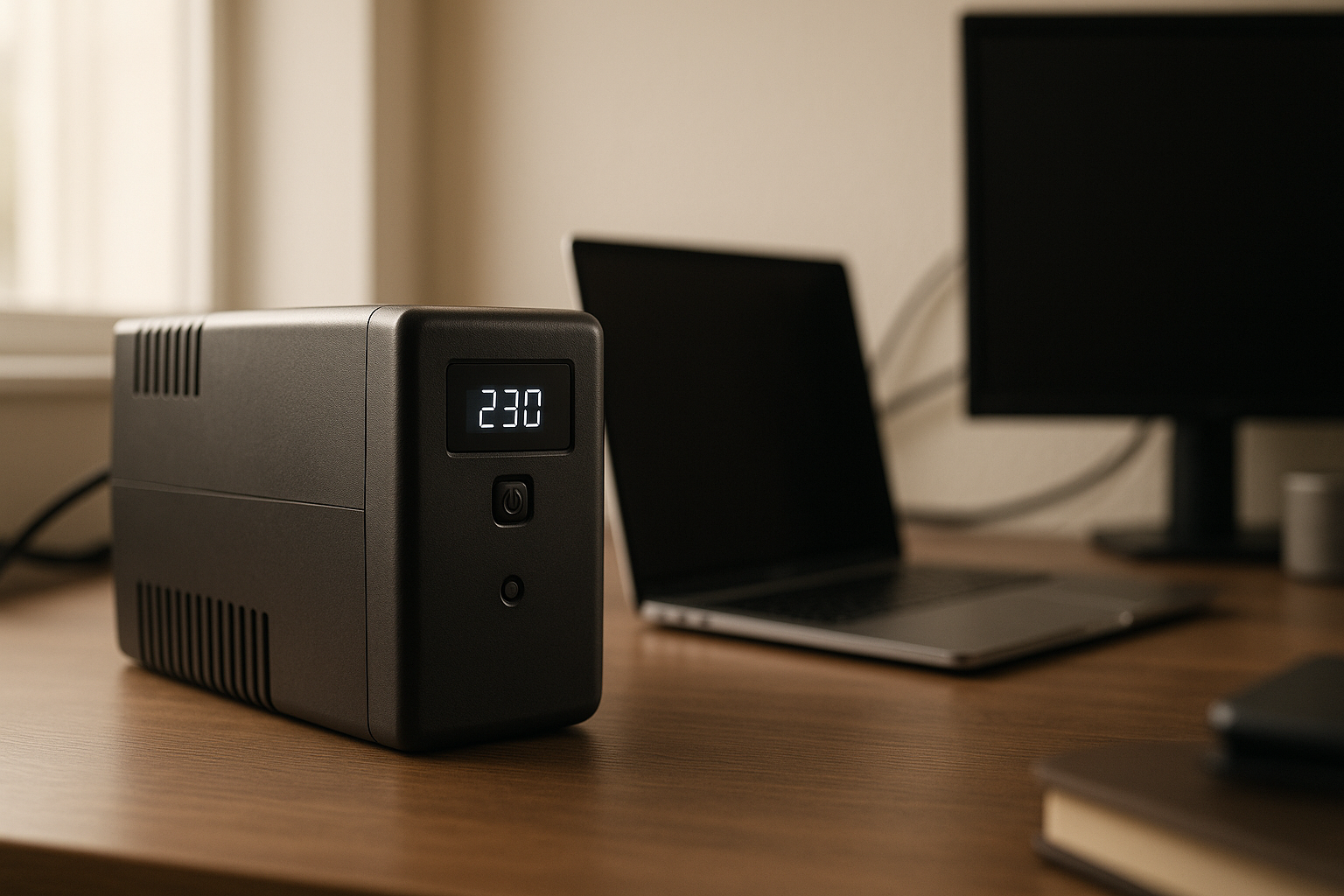
Photo by Zendure Power Station on Unsplash
Best Portable Generator for Apartments Under $300
Apartment leases typically cap noise at 55–65 dB; here’s how to find a generator that complies. Power outages happen, but lease agreements often ban gas generators or restrict noise beyond these thresholds. The good news is that the sub- portable generator market has matured enough to deliver genuinely useful backup power without breaching neighbor relations or your lease.
Why Apartments Need Different Generator Rules
Standard gas generators—the kind you see at construction sites—hit 80–100 dB and burn fuel that produces carbon monoxide. Neither is compatible with apartment living. Most leases explicitly forbid them in units or on balconies, and local noise ordinances often back that up. A portable inverter generator or small battery-based alternative sidesteps both problems: they’re quiet enough to use without waking neighbors at 6 a.m., and many run on propane or are battery-electric, eliminating fume concerns.
The ceiling is also meaningful. Below that threshold, you’re shopping for emergency backup—phone charging, a small refrigerator circuit, lights, a laptop—not whole-apartment power. Knowing that constraint upfront helps you pick the right tool instead of chasing impossible wattage specs.
Inverter Generators vs. Traditional Portables
The inverter technology matters more in apartments than anywhere else. A standard portable generator outputs “dirty” AC current with voltage fluctuations that can damage sensitive electronics like laptops, phone chargers, and smart appliances. An inverter generator smooths that current, making it safe for anything you’d plug into a wall outlet. Per manufacturer spec sheets and long-running owner threads on r/homeowners, inverter-equipped models also run 30–40% quieter than conventional generators at the same wattage.
In the sub- space, most reputable units are inverters. Check the product page or manual to confirm the phrase “inverter technology” or “pure sine wave” before buying.
Wattage: What Actually Matters in an Apartment
Here’s where marketing gets deceptive. Generators list both “starting watts” (peak power needed to kick on a motor) and “running watts” (sustained output). A unit rated 4,500 starting watts might only deliver 3,500 running watts—and that’s what you actually use.
For apartment essentials: - Phone charger: 5–10 watts - Laptop: 50–100 watts - LED lighting (3 bulbs): 30–45 watts - Small refrigerator (10–15 hours/day runtime): 600–800 watts running - Microwave: 1,000–1,500 watts (briefly) - Window AC unit: 3,500–5,000 watts (don’t plan on this)
Most sub- generators deliver 2,000–3,500 running watts per a survey of current models on Amazon, which covers phone, lights, a fridge, and a laptop simultaneously. Trying to run a full kitchen or AC unit will either trip the generator’s overload protection or drain fuel in hours. Be realistic about your actual need.
Noise: The Deal-Breaker for Neighbors
Apartment generators live or die by decibel output. A 70 dB unit is noticeably loud (normal conversation). At 60 dB, you can speak over it. Below 55 dB, neighbors won’t hear it from the next unit. Most leases and local ordinances cap noise at 55–65 dB during daytime hours.
Inverter models from established brands consistently hit 50–65 dB at quarter load. The WEN 56200i achieves 51 dB per manufacturer specs and verified owner reviews on Amazon; the Champion 3100 runs around 60 dB; the Westinghouse iGen2500 reaches 60 dB. Budget brands often claim lower dB figures but deliver higher actual noise; cross-check owner reviews before trusting the spec sheet alone.
Fuel Type and Storage in Apartments
Gasoline is the standard but has drawbacks: it degrades in storage (especially in apartments where generators sit unused for months), requires ventilation outdoors, and takes up space for a fuel can. Most apartment leases allow a small gasoline can on a balcony or in a garage, but storing large quantities is restricted.
Propane is cleaner, stores indefinitely in sealed bottles, and produces fewer fumes—a real advantage in tight spaces. Some dual-fuel models let you run either fuel, giving flexibility. Propane-only models are less common in this price range but worth seeking if your lease allows a propane bottle.
Battery-electric (portable power stations) sidestep fuel entirely but cost more and offer less total wattage per dollar.
For the sub- generator category, expect gasoline or dual-fuel options. Plan for a 5-gallon fuel can stored outside or in a garage, and use fuel stabilizer if the generator will sit idle for more than a month.
Runtime: How Long Will It Actually Run?
A generator’s runtime depends on fuel capacity and load. At quarter load (the typical apartment use case), a 3,500-watt generator with a 1-gallon tank might run 6–8 hours per the manufacturer spec sheet. At half load, that drops to 3–4 hours. At full load, it’s 1–2 hours.
For apartment backup during a typical outage (4–12 hours), a unit with a 1-gallon tank is borderline; you’ll need to refuel or have a second can ready. If you want overnight coverage without refueling, look for models with 2-gallon tanks, which are still available in the sub- range.
Per owner reports on r/homeowners and Amazon reviews, expect 20–30% less runtime in real-world conditions, especially in cold weather.
Portability and Storage
Apartment generators need to fit in a closet, under a sink, or on a small balcony. Most sub- inverter models weigh 30–50 lbs and are roughly 2 feet long by 1.5 feet wide—manageable for one person to move but not light. Check the dimensions on the product page before ordering; a unit that doesn’t fit your storage space is useless.
Wheels are a nice-to-have but not essential for apartment use; you’re not wheeling it across a job site. A handle is more important.
Maintenance and Reliability
Portable generators are simple machines, but they need care. According to long-running owner threads on r/homeowners and r/preppers, the most common failures are:
- Stale fuel gumming the carburetor — use fuel stabilizer and run the generator monthly
- Oil depletion — check oil before each use; many units auto-shut off when oil runs low
- Spark plug fouling — replace annually if used regularly
Budget brands sometimes cut corners on build quality, leading to higher failure rates. Established brands (Champion, WEN, Westinghouse) have better track records per aggregated owner reviews, though even those can fail if neglected. Expect to spend on basic maintenance supplies (oil, spark plugs, stabilizer) over the generator’s lifetime.
Warranty coverage varies; most sub- units come with 1–2 years of coverage. Read the fine print, as many warranties exclude damage from fuel or storage issues.
Lease and Legal Considerations
Before buying, check your lease. Some buildings forbid generators entirely, even quiet ones. Others allow them in garages or on balconies but not in units. A few progressive leases have no restrictions. If your lease is unclear, ask your landlord or property manager in writing; getting permission upfront avoids eviction risk.
Local noise ordinances also matter. Many municipalities cap daytime noise at 65 dB and nighttime at 55 dB. If your generator is rated at 60 dB, you’re compliant during the day but not at night. Check your city or county’s noise ordinance online before assuming you’re in the clear.
Top Picks for Sub-$300 Apartment Generators
WEN 56200i Portable Inverter Generator
The WEN 56200i is the quietest option in this price range, per owner reviews on Amazon and independent teardowns on YouTube. It runs at 51 dB at quarter load, which is conversational-volume quiet. The 2,000 running watts is enough for a fridge, lights, and a laptop. It weighs 48 lbs and has a 1-gallon tank with an estimated 8-hour runtime at quarter load. Inverter-safe for electronics. Lease-friendly.
Champion 3100-Watt Portable Inverter Generator
The Champion 3100 offers more wattage (3,100 running watts) in a smaller package (39 lbs) than competitors, according to manufacturer specs. It’s quieter than standard portables (around 60 dB at quarter load) and includes a 1.6-gallon tank for extended runtime. Good for apartments that need a bit more power without sacrificing portability. Inverter technology protects sensitive gear.
DuroMax XP4500 Portable Generator
The DuroMax XP4500 is better suited to garages or outdoor use where noise is less critical. At 76 dB and 99 lbs, it violates most apartment lease noise caps and is too heavy for easy apartment storage. It delivers 4,500 running watts at a lower price than comparable inverter models, but it’s not inverter-based, so avoid plugging in sensitive electronics directly. Reserve this for detached spaces.
Westinghouse iGen2500 Portable Inverter Generator
The Westinghouse iGen2500 is a dual-fuel model (propane or gasoline) with inverter technology and a 60 dB noise level at quarter load. At 2,500 running watts, it’s middle-ground wattage. The dual-fuel option is a real advantage for apartment storage; a propane bottle takes up less space than a gasoline can and doesn’t degrade. Weighs around 50 lbs.
FAQ
Do I need a permit to use a generator in my apartment? Check your local building code and lease. Some municipalities require permits for any generator use, even portable units. Others exempt small inverter generators below a certain wattage threshold. Contact your city’s building department or your landlord to confirm before operating.
Can I use a generator indoors? No. All fuel-burning generators produce carbon monoxide, which is deadly in enclosed spaces. Only operate generators outdoors, at least 20 feet away from windows, doors, and vents. Portable power stations (battery-based) are the only option for truly indoor backup power.
How often should I run my generator to keep it ready? According to manufacturer recommendations and owner reports, run it under load (powering something, not just idling) for 15–30 minutes every 1–2 months. This keeps the carburetor clean and the battery charged. Use fuel stabilizer if it will sit unused for more than a month.
What’s the real runtime at full load? Expect 30–50% less than manufacturer claims. A 1-gallon tank at full load usually means 1–2 hours, not the 3–4 hours on the spec sheet. At quarter load (more realistic for apartment use), you’ll get closer to the advertised runtime.
Final Takeaway
The best portable generator for apartments prioritizes quiet operation, inverter technology, and realistic wattage over flashy specs. A 2,000–3,500 watt inverter model at 50–60 dB covers emergency backup for the essentials: phone charging, a refrigerator, lights, and a laptop. Fuel storage and lease compliance matter more than raw horsepower. Check your lease and local noise ordinances before buying, run the unit monthly to keep it ready, and don’t expect it to power your whole apartment—that’s not its job.