Power Outage Emergency Checklist: Before, During, After

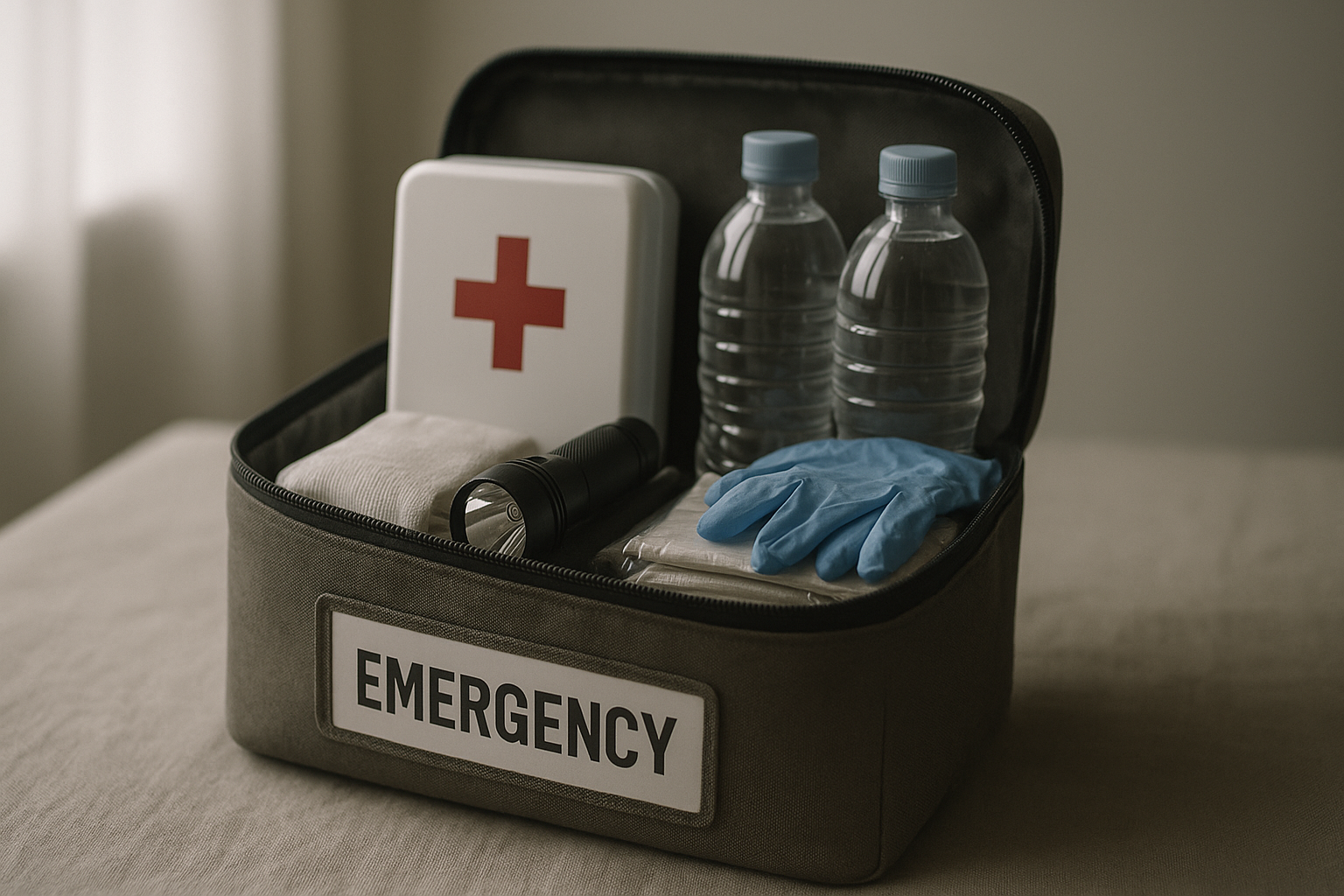
Photo by Mathurin NAPOLY / matnapo on Unsplash
Power Outage Emergency Checklist: Before, During, and After
In February 2024, Texas grid failures left 2.7 million people without power for 48+ hours during freezing temperatures. Thousands lost access to heating, refrigerated medications, and water. The difference between surviving an outage and facing crisis is preparation. This checklist breaks down exactly what to do before the grid fails, what to prioritize when it does, and how to recover safely after.
Before a Power Outage Happens
Stock Your Home
Water: Store at least one gallon per person per day for three days minimum. A family of four needs 12 gallons on hand. Tap water in a sealed container lasts indefinitely; commercially bottled water is safest for long-term storage.
Food: Keep shelf-stable foods that don’t require cooking or refrigeration: - Canned goods (vegetables, beans, tuna, chicken) - Peanut butter and crackers - Granola bars, nuts, dried fruit - Pasta and canned sauce - Cereal and powdered milk
Rotate stock every 6–12 months so nothing expires.
Medications and Medical Supplies: - A 30-day supply of prescription medications stored in a cool, dry place - Over-the-counter pain relievers, antacids, antihistamines - First-aid kit with bandages, antiseptic, gauze, and tape - Any specialized equipment (EpiPens, inhalers, glucose monitors) plus extra batteries
If you rely on powered medical equipment, a UPS (uninterruptible power supply) can bridge short outages. For longer outages, a portable power station like the Jackery Explorer 1000 (1000Wh, ~) or a small generator like the Champion 3100W (quiet, ~) can run CPAP machines or oxygen concentrators for hours.
Lighting and Power: - Flashlights (one per person, plus spares) - Extra batteries in multiple sizes - Candles and waterproof matches (store in a dry location) - A battery-powered or hand-crank radio - Portable power banks for phones and critical devices
For longer outages, portable power stations (Jackery, Goal Zero, Anker) range from depending on capacity. Whole-home generators (Champion, Generac, Westinghouse) installed and run on natural gas or propane.
Documents and Cash: - Keep copies of insurance policies, property deeds, medical records, and bank account information in a waterproof container - Store some cash at home; ATMs and card readers won’t work during grid failure
Test Your Gear
- Charge all power banks and flashlights monthly
- Check battery expiration dates every three months
- Run your generator quarterly: Start it, let it idle for 5–10 minutes, then load it with a small appliance (space heater or lamp) for 2–3 minutes to confirm it handles power draw
- Test your UPS system: Unplug the device from the wall outlet for 30 seconds. The UPS should switch to battery power immediately (you’ll hear a beep and see a light indicator). Plug it back in to verify it recharges
- Confirm your radio batteries work and you know the local emergency frequencies
Know Your Home
- Locate your electrical panel and know how to switch off individual breakers
- Find your water shut-off valve in case of contamination or pipe damage
- Identify a safe room (interior, away from windows) where your household can shelter
- Know the location of your gas meter; if you smell gas, shut it off and leave the building
Make a Communication Plan
- Write down phone numbers of family members (don’t rely on phone memory)
- Identify an out-of-state contact person who can relay messages if local networks are down
- Ensure all household members know the plan
During a Power Outage
First 30 Minutes: Immediate Safety
Check for hazards: - If you smell gas, evacuate immediately and call 911 from outside - If there are downed power lines, stay at least 30 feet away and report them to your utility - If you’re in an elevator, press the alarm button; most elevators have backup power or will drop to the nearest floor
Stay in place unless there’s immediate danger. Leaving during an outage increases accident risk (traffic lights are out, visibility is poor).
Do not open your refrigerator or freezer. Per USDA guidelines, a closed fridge keeps food safe for 4 hours; a closed freezer for 48 hours.
First Few Hours: Comfort and Communication
- Turn off major appliances (oven, water heater, HVAC) to prevent damage when power returns
- Leave one light on so you know when power is restored
- Charge phones, power banks, and critical devices using your portable power station or vehicle charger (if safe to run the engine in a garage—never do this; use it outside only)
- Listen to a battery-powered or hand-crank radio for updates on outage duration and safety instructions
- Check on elderly neighbors, people with medical equipment, and anyone living alone
If the Outage Lasts Hours: Preserve Perishables
- Keep the fridge and freezer closed
- If you have a generator, run it safely (outside, away from windows and doors) to power a small cooler or one outlet
- Group perishables in one cooler with ice if you have it
- Eat perishables first; save shelf-stable food for later
If the Outage Lasts 12+ Hours: Shelter and Warmth
In winter: - Close off unused rooms to concentrate heat - Wear layers and use blankets - If you have a fireplace, use it (ensure the chimney is clear) - Never use a gas oven, stove, or charcoal grill indoors—they produce carbon monoxide
In summer: - Stay hydrated; drink water even if you don’t feel thirsty - Stay in the coolest room (usually a basement or interior room away from windows) - Avoid strenuous activity during peak heat hours - Open windows at night if it’s safe; close them during the day to trap cool air
If the Outage Lasts Days: Rationing and Sanitation
- Ration water for drinking and cooking first; sanitation second
- Use hand sanitizer or wet wipes if tap water is unsafe
- Use a portable toilet or bucket with a plastic bag if sewage systems fail
- Boil water for 1 minute (or use water purification tablets) if you suspect contamination
After Power Is Restored
Immediate (First Hour)
- Turn appliances back on gradually to avoid overloading the grid
- Check your refrigerator and freezer for spoiled food; discard anything that was above 40°F for more than 4 hours
- Recharge all power banks, flashlights, and batteries
- Reset clocks and thermostats
Short-term (First 24 Hours)
- Document any damage with photos for insurance claims
- Check on neighbors, especially those who are elderly or live alone
- If you lost food, contact your local health department for guidance on safe disposal
- Boil tap water if the utility issues a boil-water advisory
Follow-up (First Week)
- Review what worked and what didn’t in your outage response
- Update your checklist and supplies based on lessons learned
- Check your generator’s fuel and maintenance schedule
- Test critical devices (medical equipment, UPS systems) to ensure they operated correctly
Choosing Backup Power for Your Home
If you’re considering a generator or power station for future outages:
Portable Generators - Champion 3100W (~): Quiet (68 dB), 7-hour runtime on propane, good for RVs and camping - Westinghouse iGen2500 (~): Inverter-based, safe for electronics, 12-hour runtime - Best for: Temporary outages, outdoor use, fuel-efficient operation
Power Stations - Jackery Explorer 1000 (~): 1000Wh capacity, 8–10 hours of typical home use, silent operation - Goal Zero Yeti 3000X (~): 3000Wh, runs larger appliances, expandable with solar panels - Anker 757 (~): 1229Wh, fast charging, good for medical devices and home office - Best for: Apartments, quiet operation, no fuel storage, powering medical equipment
Whole-Home Generators ( installed) - Generac PWRcell: Modular battery system, 10+ kWh capacity, integrates with solar - Westinghouse iGen Legacy: Natural gas or propane, automatic transfer switch, runs indefinitely - Best for: Long outages, powering entire home, permanent installation
UPS Systems - APC Back-UPS Pro 1500VA (~): Protects computers and medical devices, 10–15 minutes of runtime - CyberPower CP1500AVRLCD (~): Budget option, good for home office - Best for: Medical equipment, sensitive electronics, bridging to generator startup
FAQ
What do I do if my generator won’t start during an outage? Check fuel level first. If the tank is full, drain old fuel (generators sitting unused accumulate stale gas that clogs the carburetor). Refill with fresh gasoline and a fuel stabilizer. If it still won’t start, pull the recoil cord firmly 3–5 times. If the engine turns over but doesn’t ignite, the spark plug may be fouled—replace it. For propane generators, check that the propane valve is open and the tank isn’t empty. If none of this works, you’ll need a technician; this is why quarterly testing is critical.
How much does a whole-home generator cost? A whole-home generator (10–20 kW) for the unit alone. Installation (transfer switch, gas line, concrete pad, permits) adds another. Total:. Generac and Westinghouse are the most common brands. Get quotes from at least three installers before committing.
Can I use my car’s power outlet to charge devices? Yes, but only for short periods. Draining your car battery means you won’t have transportation or a way to restart the engine if you need to evacuate. Use a car charger as a last resort, and prioritize phones and critical medical devices.
How do I know if food in my fridge is still safe after an outage? If the fridge stayed closed and the temperature didn’t exceed 40°F for more than 4 hours, most food is safe. Discard anything that has an off odor, unusual color, or slimy texture. When in doubt, throw it out.
Should I buy a generator before hurricane season or winter? Yes. Demand surges right before and after major storms, so prices rise and inventory drops. Buy and test your generator well in advance. Same applies to power stations and other backup gear.
Summary
A power outage is survivable with a simple checklist: stock water, food, and medications; test your lighting and power gear; know your home’s critical systems; and have a communication plan. When the outage hits, prioritize safety, stay in place, and preserve perishables. After power returns, clean up, recharge, and review what you’d do differently next time.
The best time to prepare is now—before you need it.