Emergency Preparedness Checklist for Households & Apartments
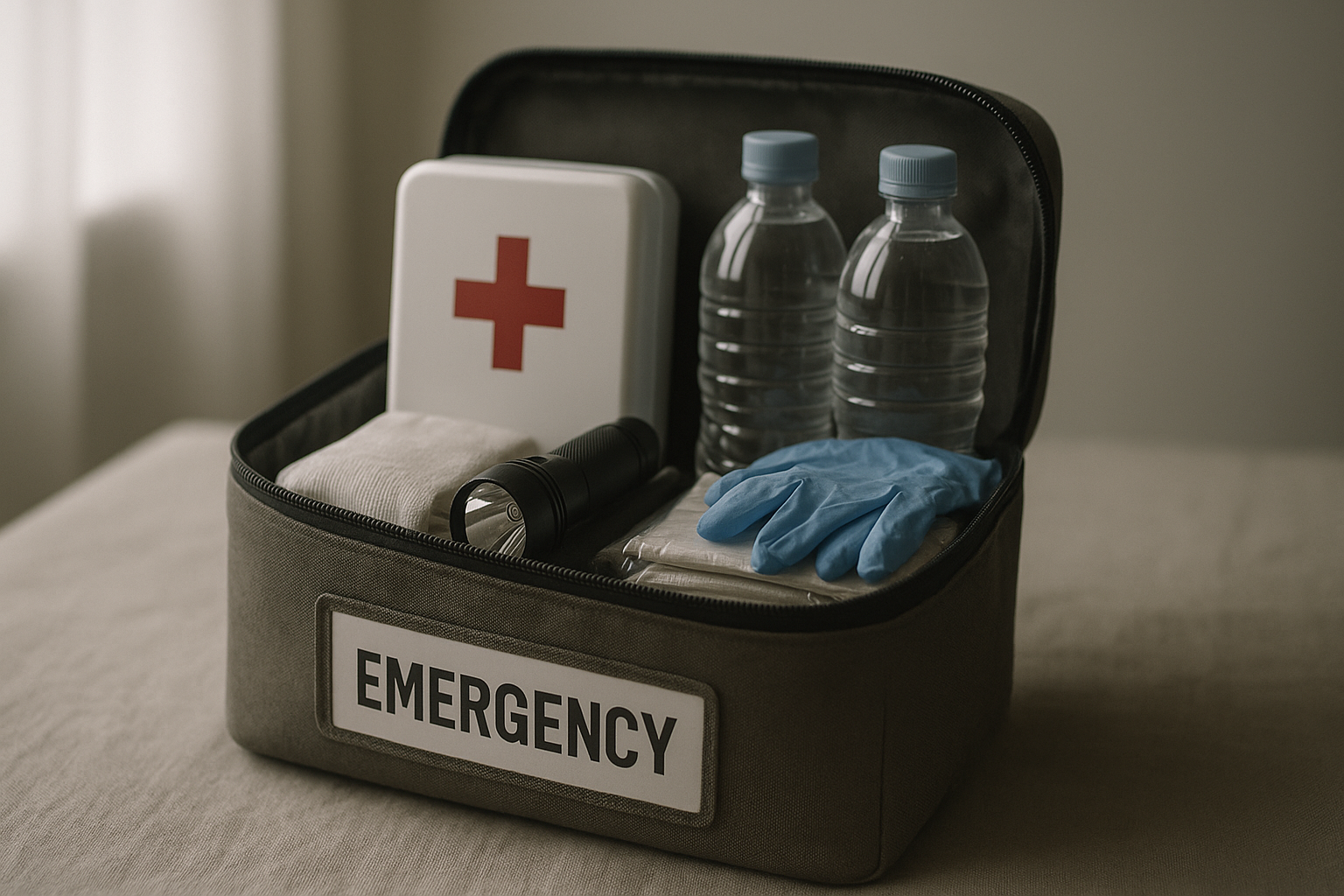
Emergency Preparedness Checklist for Households & Apartments
Power outages, natural disasters, and supply-chain disruptions can leave you scrambling for water, food, and first aid within hours. This checklist walks you through the essentials—from water and food storage to power backup and critical documents—so you’re genuinely ready when something goes wrong. Whether you rent an apartment or own a house, you can implement these steps today.
Water and Hydration
Store at least one gallon per person per day for three days minimum. For a household of four, that’s 12 gallons as a floor. The standard is one gallon per person per day for drinking and sanitation combined.
- Bottled water: Buy sealed, commercially bottled water in bulk. Rotate stock every six months (mark purchase dates on cases).
- Food-grade water containers: If you prefer to store tap water yourself, use food-grade plastic drums or containers rated for potable water. Never reuse milk jugs or non-food containers.
- Water purification backup: Keep water purification tablets, a gravity-fed filter pitcher, or a portable filtration system on hand. The LifeStraw Family filters up to 100,000 liters per the official manufacturer spec and remains functional for years when stored dry.
- Boiling supplies: A camp stove with fuel canisters or a propane grill (if you have outdoor space) can boil water in an emergency.
Apartments with no storage space can stack bottled water in a closet, under beds, or in a pantry. Even 6–9 gallons is better than zero.
Food and Nutrition
Stock shelf-stable foods that require minimal or no cooking. Focus on calorie density and foods your household actually eats.
- Canned goods: Vegetables, fruits, beans, soups, stews, tuna, chicken. Rotate every 12 months.
- Dried goods: Rice, pasta, oats, crackers, peanut butter, nuts, dried fruit, granola bars.
- High-calorie options: Peanut butter, cooking oil, honey, chocolate. These sustain energy when fresh food is unavailable.
- Infant/pet-specific items: If you have babies or pets, store formula, diapers, pet food, and pet medications separately.
- Comfort foods: A few treats (candy, instant coffee, tea) preserve morale during stressful situations.
Rotate stock regularly. Use the oldest items first and replace them. Keep a written inventory taped to your pantry door so you know what you have and when it expires.
Power and Lighting
Power outages are among the most common household emergencies. You need multiple layers of backup.
- Flashlights and headlamps: At least two per household member. LED flashlights last far longer than incandescent. The Fenix LD22 V2.0 and Streamlight ProTac HL-X are reliable options. Store extra batteries in a cool, dry place.
- Portable power banks: Keep high-capacity models (20,000–30,000 mAh) charged for phone and device backup. The Anker PowerCore 26800 and Goal Zero Nomad 7 Plus are solid choices for emergency use.
- Battery-powered or hand-crank radio: The Midland WR400 NOAA radio alerts you to warnings and provides emergency broadcasts without batteries.
- Portable power station: For longer outages, a 3,000–5,000 Wh capacity power station can run essential devices (phone chargers, small lights, medical equipment) for 12–24 hours. The Jackery Explorer 3000 Pro (3,024 Wh) and EcoFlow Delta 2 (3,072 Wh) are mid-tier options that balance cost and runtime.
- Solar chargers: A small portable solar panel like the Goal Zero Nomad 100 keeps devices charged if the outage lasts days.
- Candles and matches: Keep waterproof matches and unscented candles in a safe, accessible location. Never leave candles unattended.
- Generator (if you own): If you have a house and budget allows, a portable generator like the Honda EU2200i provides sustained power for essentials. Apartments cannot use generators indoors due to carbon monoxide risk.
For apartment dwellers with no outdoor space, focus on power banks, headlamps, and a small power station that charges via USB.
First Aid and Medical Supplies
Assemble a first aid kit and store prescription medications safely.
- Commercial first aid kit: The Lifeline First Aid Kit and Adventure Medical Kits Ultralight/Watertight are pre-assembled and reliable. Alternatively, assemble your own with bandages, gauze, antibiotic ointment, pain relievers, antacids, and anti-diarrheal medication.
- Prescription medications: Keep a 30-day supply (minimum) of any critical medications in a cool, dry place. Rotate stock and check expiration dates annually.
- Over-the-counter basics: Pain relievers, cold medicine, allergy medication, anti-nausea tablets, hydrocortisone cream, tweezers, scissors, thermometer.
- Specialized items: Glucose tablets (if diabetic), inhalers (if asthmatic), EpiPens (if severe allergies), feminine hygiene products.
- Wound care: Tweezers for splinters, antibiotic ointment, sterile gauze, elastic bandages, pain relief medication.
- Dental care: Temporary filling material and pain relief tablets for emergency dental issues.
Store your kit in a waterproof, labeled container. Keep a copy of medication names and dosages in your emergency documents folder (see below).
Critical Documents and Information
Disasters destroy or scatter important paperwork. Gather and store copies securely.
- Legal documents: Birth certificates, marriage licenses, passports, insurance policies (home, auto, health, life).
- Financial records: Bank account numbers, credit card account numbers, mortgage or lease documents.
- Medical information: Prescription lists, allergies, blood type, doctor contact information, vaccination records.
- Property inventory: Photos or video of your home’s contents (for insurance claims). Store on a cloud drive or external hard drive.
- Utility account numbers: Electric, gas, water—helpful if you need to report damage or shut off utilities.
- Emergency contacts: List names and phone numbers of family, doctors, neighbors, and local emergency services.
Store originals in a fireproof safe at home. Keep copies in a waterproof folder, in your car, or with a trusted friend out of state. Photograph or scan documents and store digital copies in encrypted cloud storage.
Sanitation and Hygiene
When water and sewage systems fail, sanitation becomes critical.
- Toilet paper and wet wipes: Stock at least two weeks’ worth.
- Hand sanitizer: Multiple bottles in different locations.
- Soap and hygiene supplies: Bar soap, toothpaste, toothbrushes, feminine hygiene products, diapers, trash bags.
- Portable toilet or buckets: For apartment dwellers, a 5-gallon bucket with a toilet seat liner and heavy-duty trash bags allows emergency sanitation without plumbing. Keep several liners and bags on hand.
- Disinfectants: Bleach (unscented), disinfectant wipes, or spray.
- Waste disposal: Heavy-duty trash bags, duct tape to seal bags, and a plan to store waste safely outside.
If you have a yard, you can dig a temporary latrine pit. Apartments should focus on bucket systems and regular waste removal.
Shelter and Warmth
Depending on your climate, you may need emergency heating or cooling.
- Blankets and sleeping bags: At least one per household member, plus extras.
- Warm clothing: Extra layers, hats, gloves, sturdy boots. Store in an accessible location.
- Emergency shelter: A tent (even a small one) provides wind and rain protection if your home is damaged. Apartment dwellers can use large cardboard boxes or a closet as a temporary shelter.
- Heating options (cold climates): Propane heaters (ventilated models only), kerosene heaters, or a wood-burning stove if you have a fireplace. Never use a gas stove or oven for heat indoors.
- Cooling options (hot climates): Battery-powered fans, ice packs, shade tarps, or a portable air conditioner if you have power.
In winter, a well-insulated room with blankets and sleeping bags can retain warmth. In summer, shade, water, and air circulation prevent heat exhaustion.
Communication and Weather Alerts
Stay informed during emergencies.
- NOAA weather radio: The Midland WR400 alerts you to severe weather, tsunamis, and emergency broadcasts. Many models are solar or hand-crank powered.
- Battery-powered or hand-crank radio: Receives AM/FM and weather bands without electricity.
- Phone chargers: Multiple USB chargers, car chargers, and solar chargers for mobile phones.
- Backup communication plan: Write down out-of-state contact numbers (not just stored in your phone). Establish a meeting place if family members are separated.
Test your communication plan with family members at least once a year.
Tools and Repair Supplies
Basic tools help you respond to emergencies and minor damage.
- Flashlight and headlamp: (Already listed under Power.)
- Multi-tool or knife: A sturdy folding knife or multi-tool like the Leatherman Wave+ handles cutting, opening cans, and minor repairs.
- Hammer, nails, screws: For securing loose items or basic repairs.
- Duct tape and waterproof tape: Seal gaps, secure tarps, or patch leaks temporarily.
- Crowbar or pry bar: Helps open stuck doors or windows.
- Wrench or pliers: Shut off gas, water, or electrical circuits if necessary.
- Plastic sheeting and tarps: Cover broken windows or damaged areas.
Keep tools in a labeled box or bag that all household members can locate quickly.
Special Considerations
Pets and Livestock
- Store at least two weeks of pet food and water.
- Keep vaccination records and microchip information accessible.
- Have carriers or crates for transport.
- Store medications and supplements.
Elderly or Mobility-Limited Household Members
- Store prescription medications and medical equipment.
- Keep a list of mobility aids (cane, walker, wheelchair).
- Ensure emergency supplies are accessible without climbing or heavy lifting.
- Consider a medical alert system or satellite communicator if you live in a remote area.
Infants and Young Children
- Store formula, diapers, wipes, and medications.
- Keep comfort items (toys, blankets) to reduce stress.
- Maintain a list of pediatrician contact information.
FAQ
What’s the shelf life of canned food? Most canned goods are safe to eat for 3–5 years past the printed date if stored in a cool, dry place. High-acid foods (tomatoes, citrus) last 12–18 months; low-acid foods (vegetables, meat) last 3–5 years. Rotate stock every 12 months for best quality.
Can I use a generator in an apartment? No. Generators produce carbon monoxide and cannot run safely indoors or in enclosed spaces like garages or balconies. Apartments should focus on power banks, portable power stations, and battery backups.
What’s the minimum emergency kit for a family of four? Start with 12 gallons of water, a two-week supply of shelf-stable food, a first aid kit, flashlights and batteries, a battery-powered radio, and copies of critical documents. This covers the most common emergencies (power outages, supply disruptions, short-term shelter-in-place scenarios).
How do I know what size power station I need? Calculate your essential loads: a phone charger uses 10–20W, a laptop 50–100W, and a medical device varies. A 3,000–5,000 Wh power station runs these devices for 12–24 hours depending on usage. If you need to run a refrigerator (600W+) or space heater, you’ll need a larger unit or generator.
Where should I store my emergency supplies? Choose a cool, dry location away from direct sunlight. A basement, closet, or pantry works well. Keep a copy of your inventory list visible (taped to a cabinet) so family members know what you have and where to find it.
Implementation Timeline
Build your emergency kit gradually over eight weeks:
- Week 1: Purchase 12 gallons of water and store in a cool location.
- Week 2: Stock two weeks of shelf-stable food (canned goods, rice, pasta, peanut butter).
- Week 3: Assemble or buy a first aid kit and store prescription medications.
- Week 4: Buy flashlights, batteries, a battery-powered radio, and power banks.
- Week 5: Purchase a portable power station (3,000–5,000 Wh) if budget allows.
- Week 6: Gather critical documents and store copies in a waterproof folder.
- Week 7: Stock sanitation supplies (toilet paper, hand sanitizer, trash bags, buckets).
- Week 8: Review your plan with family members and test communication protocols.
Review your supplies twice a year (spring and fall), rotate expired items, and update your emergency contacts. Share your plan with family members and practice your communication strategy.
You don’t need to spend thousands. Most households can build a solid emergency foundation for by shopping gradually and prioritizing water, food, and first aid first.


