As an affiliate, we may earn from qualifying purchases. This doesn't affect which products we recommend.
Emergency Power Outage Kit: What Every Household Needs
When the power goes out, most households have minutes before phones die, refrigerators warm up, and darkness sets in. A thoughtfully assembled emergency power outage kit bridges that gap—keeping essential devices charged, food preserved, and your family safe until utility power returns. This guide walks you through what to include, how to size your backup system, and which tools actually matter when the grid fails.
Why a Household Power Outage Kit Matters
Power outages strike without warning. A severe storm, downed transmission line, or grid failure can cut electricity for hours or days. Without backup power, you lose:
Communication: dead phones and no way to receive emergency alerts
Food safety: refrigerator and freezer contents spoil
Climate control: heating or cooling becomes impossible
Medical devices: CPAP machines, oxygen concentrators, and insulin pumps stop working
Lighting: darkness after sunset creates safety hazards
A dedicated kit—rather than scrambling for flashlights and car chargers when crisis hits—means your family stays connected, informed, and safe. The investment pays for itself the first time you avoid a multi-day outage without power.
Core Components of an Effective Kit
A complete household power outage kit has four layers: primary backup power, secondary charging, lighting, and supplies.
1. Primary Backup Power Source
This is your foundation. You need a battery system or generator that can run essential loads for at least 12–24 hours (or longer, depending on your situation).
Portable Power Stations (battery-based)
- Pros: silent, no fuel smell, fast recharge from wall outlet or solar panels, modular capacity
- Cons: heavier units require dedicated space; smaller models deplete quickly under high load
- Best for: apartments, renters, noise-sensitive areas, homes with solar potential
- Capacity range: budget-tier models (500–1000 Wh) handle phones, laptops, and small appliances; mid-tier (1500–3000 Wh) support refrigerators and power tools; premium-tier (5000+ Wh) approach whole-home backup
Gas or Propane Generators
- Pros: high output, proven reliability, fuel widely available
- Cons: loud, require outdoor placement, produce carbon monoxide (never run indoors), need fuel storage and maintenance
- Best for: homes with outdoor space, extended outages, heavy-load scenarios
- Wattage range: budget-tier (3000–5000 W) covers basics; mid-tier (5000–7500 W) handles most households; premium-tier (10,000+ W) supports whole-home systems
Hybrid Approach
Many households benefit from pairing a portable power station (for quick, silent backup) with a generator (for sustained, heavy-load scenarios). This gives you speed and silence for the first hours, then scalability if the outage extends.
2. Secondary Charging and Power Distribution
Once your primary source is deployed, you need ways to charge multiple devices simultaneously and manage power flow.
Multi-outlet power strips (surge-protected): consolidate charging for phones, tablets, laptops
USB charging hubs (with fast-charge ports): prioritize phones and wearables
Car charger adapters: if you have a vehicle with a working battery, this becomes a backup charging station
Solar panels (if paired with a portable power station): extend runtime indefinitely on sunny days; per EcoFlow and Jackery spec sheets, a 100W panel adds 600–800 Wh per sunny day
3. Lighting
Flashlights and lanterns are non-negotiable. Darkness compounds panic and increases accident risk.
LED flashlights (multiple, strategically placed): one per bedroom, one in the kitchen, one in your emergency kit; per owner reports, quality LED models run 50–100+ hours on a single battery set
Rechargeable lanterns (powered by your backup battery or USB): provide ambient light for entire rooms; more practical than flashlights for extended use
Backup batteries: keep alkaline batteries in multiple sizes (AA, AAA, 9V) for devices that don’t have USB charging
4. Supplies and Consumables
Water: 1 gallon per person per day (minimum 3 days’ supply); used for drinking, cooking, and hygiene
Medications and medical supplies: 7-day supply of prescriptions, first-aid kit, any specialized equipment (glucose monitors, inhalers, etc.)
Fuel for generators (if applicable): store safely in approved containers; rotate annually to prevent degradation
Charger cables and adapters: keep duplicates; power outages often damage electronics, and you’ll want redundancy
Sizing Your Backup Power System
The right capacity depends on what you want to power and for how long.
Calculate your essential load:
1. List the devices you must keep running (phone, laptop, refrigerator, medical equipment, etc.)
2. Note their wattage (usually on the device label or in the manual)
3. Estimate daily usage hours
4. Multiply wattage × hours = watt-hours (Wh) needed per day
To sustain this for 24 hours accounting for ~10–15% inefficiency losses in the battery and inverter, you’d want a system with at least 2900–3000 Wh nominal capacity. The 2560 Wh figure represents actual device consumption; the higher capacity recommendation ensures the battery can deliver that amount after accounting for conversion losses. For 2 days of autonomy, add another 2900–3000 Wh or pair with a generator for extended outages.
Rule of thumb: per EcoFlow and Jackery spec sheets, a mid-tier portable power station (2000–3000 Wh) covers most households for 24 hours of essential-device use. If you need to run a refrigerator or sump pump continuously, or if your outage could last 48+ hours, move to premium-tier capacity (5000+ Wh) or add a generator.
Assembly and Maintenance
Where to Store Your Kit
Central, accessible location: not in a basement (flood risk) or attic (temperature extremes)
Cool, dry space: a hall closet, garage shelf, or mudroom works well
Labeled and inventoried: keep a checklist of contents and expiration dates for perishables and medications
Regular Maintenance Schedule
Monthly: test that flashlights work; confirm backup batteries are present
Quarterly: rotate water supply (every 6 months if stored longer than a year)
Annually: test the generator (if you have one) with a brief runtime; replace fuel; check medication expiration dates; refresh non-perishable food items
After any outage: replenish consumed supplies immediately; recharge batteries and power stations
Keeping Your Kit Current
Power outage kits aren’t “set and forget.” As your household changes—new family members, medical conditions, or devices—revisit your kit and adjust capacity and supplies. A kit that worked for a single person won’t sustain a family of four through a 48-hour outage.
Special Considerations
Households with Medical Equipment
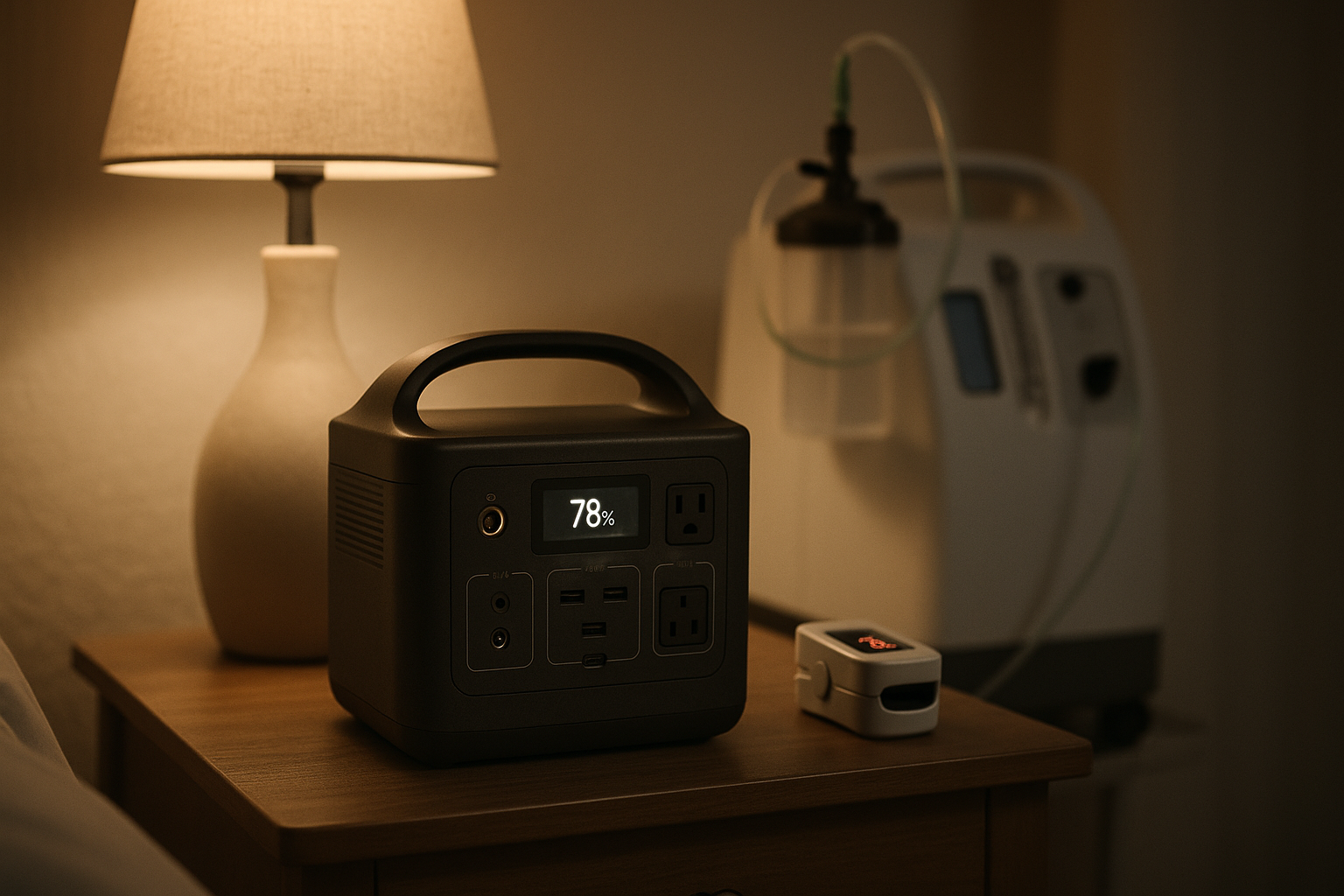
If anyone relies on a CPAP, oxygen concentrator, insulin pump, or similar device, backup power is non-negotiable. Ensure your power station outputs pure sine wave AC (not modified sine wave), which protects sensitive electronics; per manufacturer specs, premium portable power stations and most quality generators meet this standard.
Apartments and Renters
Space and noise constraints make portable power stations ideal. Avoid generators unless you have outdoor space and landlord approval; many leases prohibit them.
Families with Children
Include child-safe lighting (no open flames), extra water and food, comfort items (books, games), and a battery-powered radio for emergency alerts. Teach children where the kit is and basic use of flashlights.
Homes with Sump Pumps or Well Pumps
These are critical during storms (when flooding risk peaks) and outages often coincide. A 5000+ Wh portable power station or 7500+ W generator is recommended for continuous pump operation during extended outages.
Comparing Backup Power Options
Feature
Portable Power Station
Gas Generator
Noise
Silent
Loud (70–90+ dB)
Setup time
Instant
5–10 minutes
Fuel
Rechargeable (grid, solar)
Gasoline/propane (requires storage)
Lifespan
5–10 years (battery degradation)
10–20+ years
Best for
Quick backup, apartments, clean output
Extended outages, high loads, outdoor use
Portable power stations excel for rapid deployment and silent operation; generators provide sustained high-wattage output for extended scenarios. Many households benefit from both.
FAQ
Q: Can I run my whole house on a portable power station?
A: Not continuously. A premium-tier unit (5000+ Wh) can power essential circuits for 12–24 hours, but running a full house (HVAC, water heater, all appliances) requires a whole-home battery system or generator. Focus on essentials: lighting, refrigerator, medical devices, communication.
Q: Can I use a portable power station indoors?
A: Yes. Unlike gas generators, portable power stations produce no fumes and are safe for indoor use. They’re ideal for apartments and noise-sensitive environments. Ensure adequate ventilation if charging the unit itself (lithium batteries generate minimal heat, but airflow is good practice).
Q: What’s the difference between modified sine wave and pure sine wave?
A: Pure sine wave output (standard AC current) is safe for all electronics. Modified sine wave can damage sensitive devices like medical equipment, modern power supplies, and variable-frequency motors. For a household kit, always choose pure sine wave if you’re running anything beyond basic lighting and charging.
Q: Do I need solar panels for my portable power station?
A: Not required, but valuable. Solar panels let you recharge from sunlight during extended outages, extending autonomy indefinitely. Per EcoFlow and Jackery spec sheets, a 100W panel adds 600–800 Wh per sunny day. Budget-tier kits can skip solar; premium setups benefit greatly from it.
Q: What’s the warranty on lithium-ion batteries in portable power stations?
A: Most manufacturers offer 2–5 year warranties on portable power stations. EcoFlow and Jackery typically provide 5-year coverage; Anker and Goal Zero vary by model. Check the specific product datasheet. Battery capacity degrades over time (expect 80–90% capacity after 5 years of regular use), but most units remain functional well beyond warranty expiration.
Top Picks
EcoFlow Delta Pro (5000+ Wh) — Scalable capacity, fast recharge, expandable battery modules. Best for households planning to grow backup capacity or add solar later. Warranty: 5 years.
Jackery Explorer 1000 (1000 Wh) — Balanced capacity and portability; ideal for apartments and smaller households. Lightweight, proven reliability. Warranty: 2 years.
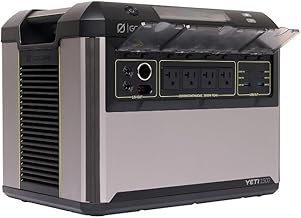
Goal Zero — $1,499.95Check price on Amazon → (3000 Wh) — Premium pure sine wave output; essential for medical equipment protection. Higher price reflects durability and clean power. Warranty: 5 years.
Anker PowerHouse 757Check price on Amazon → (1500 Wh) — Budget-friendly mid-tier option with solid reliability and user reviews. Good value for essential-load backup. Warranty: 2 years.
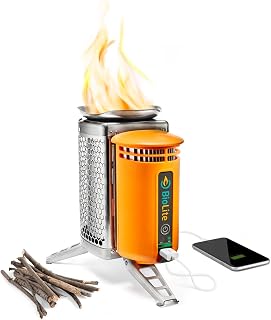
BioLiteCheck price on Amazon → (2000 Wh) — Modular design supports paired units; great for redundancy and future expansion. Compact form factor. Warranty: 3 years.
Building Resilience, Not Just Surviving
An emergency power outage kit is the difference between a stressful inconvenience and a crisis. By assembling the right combination of backup power, lighting, and supplies—and maintaining it regularly—you ensure your household stays safe, connected, and functional when the grid fails.
Start with your essential load calculation, pick a primary power source that matches your space and timeline, add lighting and supplies, and commit to annual maintenance. The cost of a quality kit is modest compared to the peace of mind it provides.