Portable Power Station vs Gas Generator: Which Backup Should You Buy?

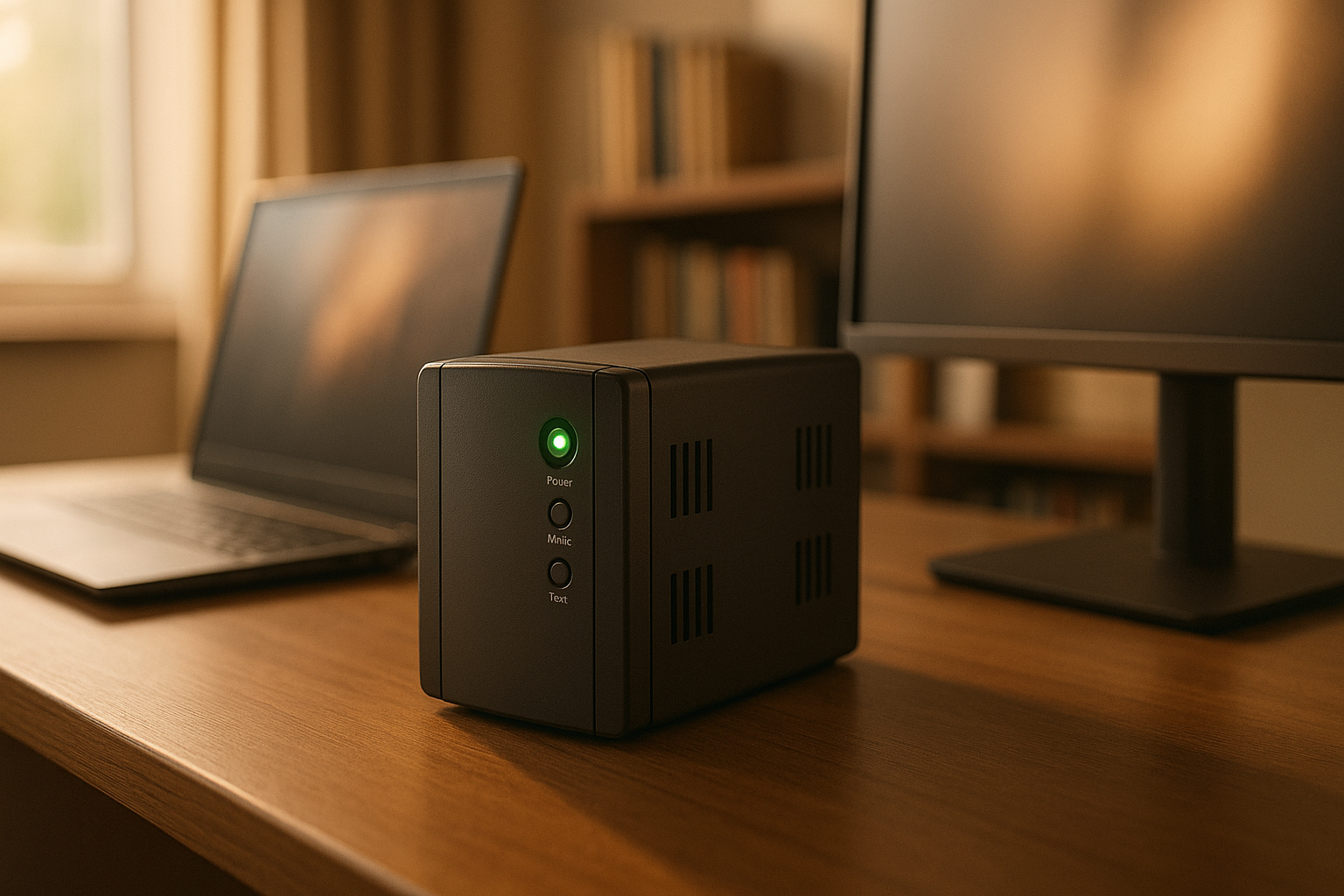
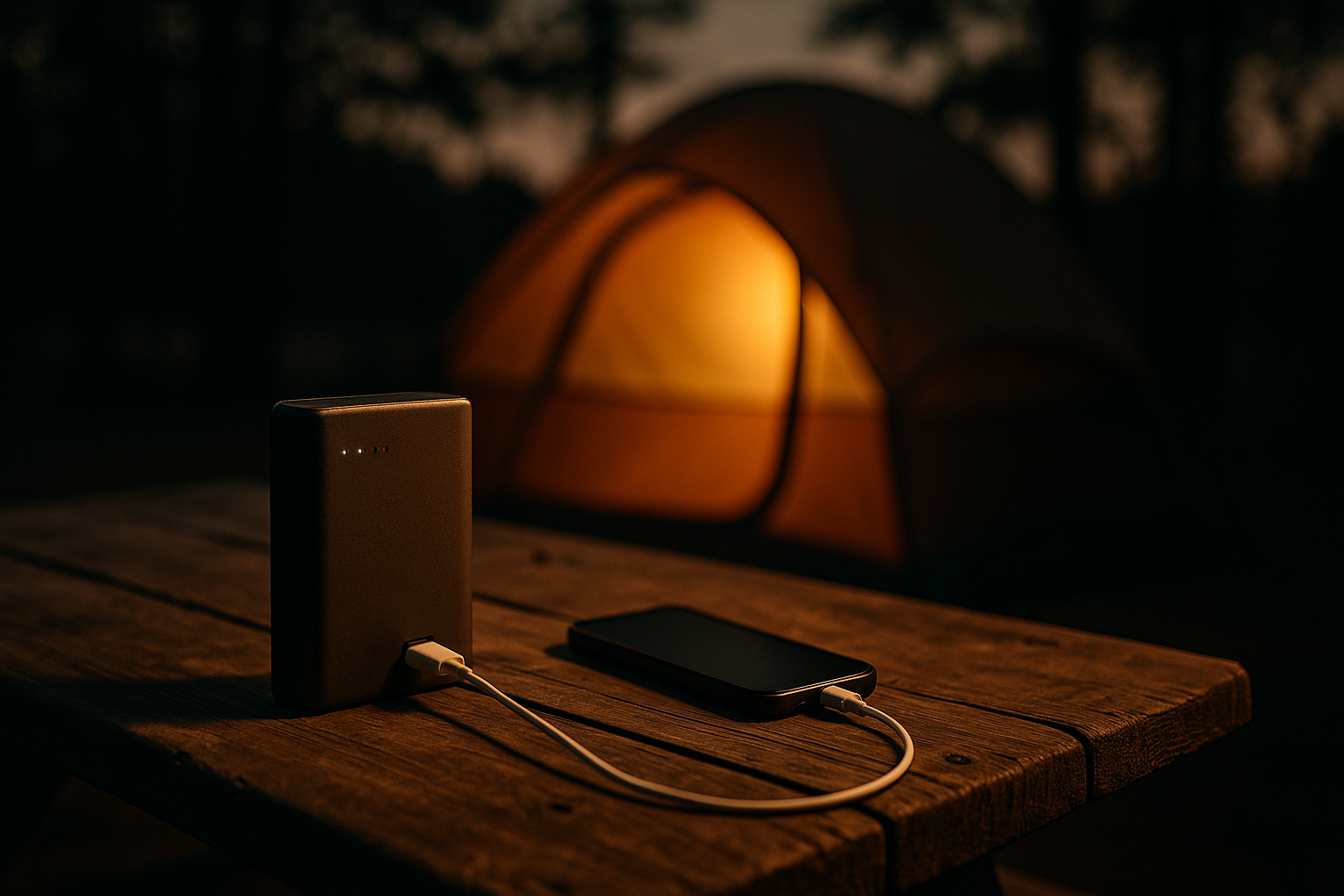
Photo by Zendure Power Station on Unsplash
Portable Power Station vs Gas Generator: Which Backup Should You Buy?
When the power goes out—or you’re heading into the backcountry—you need reliable backup electricity. The two most popular options are portable power stations (battery-based) and gas generators. Each solves the problem differently, and the right choice depends on your living situation, runtime needs, noise tolerance, and maintenance appetite. This guide cuts through the marketing to show you exactly how they compare.
Quick Comparison Table
| Feature | Portable Power Station | Gas Generator |
|---|---|---|
| Noise Level | 30–40 dB (whisper-quiet) | 70–90 dB (loud) |
| Runtime | 2–12 hours per charge | 8–20 hours per tank |
| Recharge Time | 4–12 hours (wall); 1–3 days (solar) | Refuel in 5 minutes |
| Maintenance | Minimal (no oil, spark plugs) | Regular (oil, filters, seasonal prep) |
| Lifespan | 2–5 years (battery); 5–10 years (device) | 10–20 years (if maintained) |
| Upfront Cost | + | + |
| Fuel Cost (annual) | (recharge at home) | + (fuel + stabilizer) |
| Emissions | None | Carbon monoxide (outdoor use required) |
| Power Quality | Pure sine wave (clean) | Distorted (inverter models better) |
| Portability | 30–150 lbs (car-friendly) | 50–200+ lbs (cart required) |
| Indoor Safe | Yes | No (CO risk) |
How They Work: Battery vs Combustion
Portable power stations are large rechargeable batteries with built-in inverters. You charge them at home (or via solar panels), and they deliver AC power on demand with no fuel, no engine, and no emissions. Capacity is measured in watt-hours (Wh); a 1000Wh station can run a 100W device for 10 hours, or a 500W device for 2 hours.
Gas generators burn gasoline (or propane) to spin an engine that drives an alternator, producing AC power. They’re typically rated by peak wattage and continuous wattage. A 7000W generator can handle startup surges on appliances like air conditioners, but sustained output is lower.
The fundamental tradeoff: batteries are rechargeable but finite; gas generators run as long as you have fuel and an engine to burn it.
Runtime and Refueling
Portable power stations run until their battery drains, then must be recharged—either from a wall outlet (4–12 hours depending on capacity), a vehicle charger (8–24 hours), or solar panels (1–3 days depending on sun and panel wattage). If you need power for a week-long outage, you’ll need multiple stations or a reliable recharge source.
Gas generators can run indefinitely if you have fuel on hand. A 5-gallon jerry can of gasoline typically powers a mid-size generator for 8–20 hours at half load (per manufacturer specs). You can store multiple cans, extending runtime to days or weeks. The catch: per EPA guidance, gasoline degrades after 3–6 months if not treated with stabilizer, so fuel rotation matters.
Winner for extended outages: gas generators, assuming you stockpile and rotate fuel.
Winner for convenience: portable power stations—no fuel smell, no engine maintenance, no stabilizer headaches.
Noise
This is where portable power stations dominate.
Portable power stations produce minimal noise—typically 30–40 dB (quieter than a whisper). You can use one indoors, in an apartment, or at a campsite without disturbing neighbors or wildlife.
Gas generators are loud. Most operate at 70–90 dB at full load (equivalent to a vacuum cleaner or busy traffic). Inverter generators are quieter (60–70 dB), but still audible. You must place them outside, away from windows, and in many jurisdictions you cannot run them between certain hours (often 10 PM–7 AM).
Winner by a landslide: portable power stations for noise-sensitive settings.
Maintenance and Lifespan
Portable power stations require minimal upkeep. Lithium-ion batteries degrade over time—most retain 70–80% capacity after 500–1000 full charge cycles (roughly 2–5 years of regular use). Warranties typically cover 2–5 years. No oil changes, no spark plugs, no seasonal prep.
Gas generators demand regular maintenance. You must: - Change oil every 50–100 hours of use - Replace spark plugs annually - Drain fuel or add stabilizer before winter storage - Inspect and clean air filters - Run them monthly under load to prevent gum buildup
Neglect any of these and you’ll face a no-start situation when you actually need it. Well-maintained generators last 10–20 years, but poor maintenance cuts lifespan to 3–5 years.
Winner for low-touch operation: portable power stations.
Winner for raw longevity (if maintained): gas generators.
Cost and Affordability
Portable power stations: - Budget tier: Anker 757 PowerHouse (1024Wh) — ~ MSRP - Mid tier: Jackery Explorer 1000 (1002Wh) — ~ MSRP - Premium tier: EcoFlow Delta Pro (3600Wh) — ~ MSRP - Solar panels (optional): 400W array — ~
Gas generators: - Budget tier: DuroMax XP4500 (4500W) — ~ MSRP - Mid tier: Champion 3100W Inverter — ~ MSRP - Premium tier: DuroMax XP13000iH (13000W) — ~ MSRP - Annual fuel + stabilizer: ~
Initial cost winner: gas generators (budget entry point is lower).
Total cost of ownership winner: portable power stations (no fuel, stabilizer, oil, spark plugs, or seasonal maintenance).
Safety and Emissions
Portable power stations produce zero emissions and no carbon monoxide risk. Safe to use indoors, in garages, or in enclosed spaces. No fuel spills, no fire hazard.
Gas generators emit carbon monoxide (CO), a colorless, odorless, deadly gas. You must run them outside and at least 20 feet from windows, doors, and vents. Never run one in a garage, basement, or enclosed shed—people die this way every year. Gasoline is flammable; improper storage or refueling can cause fires. Propane generators are slightly safer (no spillable liquid fuel) but still produce CO.
Winner for safety: portable power stations, especially if you have kids, pets, or elderly family members.
Power Quality and Device Compatibility
Portable power stations with pure sine wave inverters (standard on quality models) deliver clean AC power safe for sensitive electronics—laptops, medical equipment, refrigerators. Budget models may use modified sine wave; always check manufacturer specs before purchase.
Gas generators produce power with harmonic distortion. Inverter generators (more expensive) output cleaner power than traditional models, but even they aren’t as clean as a pure sine wave power station. Sensitive electronics (especially newer TVs, computers, and medical devices) may suffer premature wear. Manufacturer testing shows standard generators can damage equipment rated for clean sine wave input.
Winner for electronics: portable power stations with pure sine wave inverters.
Portability
Portable power stations weigh 30–150 lbs depending on capacity, with handles for carrying. Mid-size models (500–1500Wh) are genuinely portable; larger ones are more “movable.” Most fit in a car trunk or truck bed.
Gas generators weigh 50–200+ lbs and require a sturdy cart or two people to move safely. They’re portable in the sense that you can relocate them, but they’re not backpack-friendly.
Winner for true portability: portable power stations (especially sub-1500Wh models).
Scenarios: When to Choose Each
Choose a Portable Power Station If:
- You live in an apartment or condo with noise restrictions
- You want silent, emission-free operation
- You’re willing to recharge between uses (camping, road trips)
- You have budget for solar panels to extend runtime
- You value low maintenance and indoor safety
- You need clean power for sensitive electronics or medical equipment
- You’re a renter who can’t install permanent fuel storage
Choose a Gas Generator If:
- You need multi-day runtime on a single fuel fill-up
- You own your home and can store fuel safely outdoors
- You’re willing to perform regular maintenance (oil changes, spark plug replacement)
- You prioritize lowest upfront cost
- You want the peace of mind of unlimited runtime (fuel permitting)
- You live in a rural area where noise and emissions are less of a concern
- You need to power high-surge appliances like central AC or well pumps
The Hybrid Approach
Many off-grid and serious preppers use both: a portable power station for daily loads, emergency indoor use, and quiet operation, plus a gas generator for extended outages or high-power demands. This combines the best of both—silent, clean backup for everyday needs, and fuel-powered reserves for worst-case scenarios.
FAQ
What’s the difference between modified sine wave and pure sine wave? Pure sine wave (standard on quality power stations) mimics utility power exactly, safe for all electronics. Modified sine wave (cheaper inverters) produces a stepped approximation that can damage sensitive devices like laptops, medical equipment, and modern TVs. Always verify your power station uses pure sine wave before buying.
How do I calculate runtime for my specific appliances? Divide the power station’s watt-hour capacity by your appliance’s wattage. Example: a 2000Wh station running a 500W refrigerator = 4 hours of runtime. Account for inverter losses (roughly 10–15%) by reducing the result. For multiple appliances, add their wattages together. Use How Much Battery Backup Do You Need? Wattage Calculator & Guide for detailed sizing.
How long does a portable power station battery last before it dies permanently? Most lithium-ion models retain 70–80% capacity after 500–1000 full charge cycles. That’s roughly 2–5 years of daily use, or 5–10 years of weekly use. Degradation is gradual—you don’t wake up to a dead battery. Warranties typically cover 2–5 years; devices often remain usable beyond warranty expiration.
Can I leave a gas generator running overnight? Yes, but it’s loud, polluting, and fuel-hungry. Most generators run 8–20 hours on a full tank at half load. You’ll need to refuel mid-outage. They’re also vulnerable to theft and require outdoor placement for safety. Inverter models are quieter but still unsuitable for indoor use.
What’s the best way to store a gas generator? Drain the fuel tank or add fuel stabilizer before storage (especially before winter). Store in a dry, secure location away from living spaces. Run it monthly under load to prevent gum buildup in the carburetor. Check oil before each use. Never store in a garage or basement.
Can I charge a portable power station with solar panels? Yes. Most quality models support solar input via MC4 connectors. Charging speed depends on panel wattage and sunlight; a 400W solar array might fully charge a 2000Wh station in 5–8 hours on a sunny day. See How Much Solar Power Do You Need for Camping? Wattage Calculator for sizing.
Which is better for emergency preparedness? For most people, a portable power station is more practical—it’s safe indoors, requires no maintenance, and produces no emissions. For extended multi-week outages where you can’t recharge, a gas generator is essential. Ideally, have both: a power station for daily needs and a generator for worst-case scenarios.
Final Verdict
Portable power stations win on noise, safety, maintenance, and peace of mind. They’re ideal for apartments, homes with noise restrictions, and anyone who wants reliable backup without the hassle of fuel storage and engine upkeep. The tradeoff is limited runtime and higher upfront cost per watt-hour.
Gas generators win on raw runtime, upfront affordability, and sustained power for extended outages. They’re the right call for homeowners willing to maintain them, rural properties, and scenarios where you need days of continuous power.
For most people—especially renters and apartment dwellers—a mid-tier portable power station paired with solar panels offers the best balance of convenience, safety, and reliability. For rural homes and serious preppers, a gas generator (ideally a quiet inverter model) is still the backup workhorse. Many choose both.
Start by calculating your actual power needs using How Much Battery Backup Do You Need? Wattage Calculator & Guide, then match that to your living situation and budget. The best backup is the one you’ll actually use and maintain.