Power Outage Emergency Supply Checklist 2026

Photo by Muhammad Masood on Unsplash
Power Outage Emergency Supply Checklist for 30-Day Readiness
A power outage lasting more than a few hours forces real decisions: how to keep food from spoiling, how to stay warm or cool, how to charge critical devices, and how to maintain sanitation without running water. This checklist covers the essentials your household actually needs to function for a month without grid power—organized by category so you can build incrementally and store strategically.
Water: The First Priority
You need one gallon per person per day for drinking and basic hygiene. For a family of four over 30 days, that’s 120 gallons minimum. Most homes lack that storage capacity, so layered water security is essential.
Storage: - Pre-fill food-grade 5-gallon containers; rotate every 6–12 months per CDC emergency water storage guidance (CDC.gov). - Keep 2-liter bottles in a cool, dark closet—they stack easily and serve as both storage and emergency weight (useful for water displacement in toilet tanks). - Consider a 50–100 gallon water barrel for outdoor placement if space permits.
Purification (backup to storage): - Boiling requires fuel and clean containers; keep a camp stove and fuel on hand. - [LifeStraw Community Water Filter] or similar gravity-fed systems don’t need power and filter large volumes without chemicals. - Bleach (unscented, 6% sodium hypochlorite): 8 drops per gallon, wait 30 minutes. Store in a cool place; it degrades over time. - Bottled water (commercial): buy a 2–4 week supply and rotate stock into regular use.
Food: Non-Perishable & Calorie-Dense
Without refrigeration, focus on shelf-stable foods that require no cooking (or minimal heat). Aim for 2,000 calories per person per day.
Shelf-stable proteins: - Canned tuna, chicken, beans, lentils (canned goods last 3–5 years; rotate stock every 1–2 years per USDA guidance). - Peanut butter and nuts (high calorie density, long shelf life). - Protein bars and meal-replacement shakes. - Powdered milk and eggs (reconstitute with stored water).
Carbohydrates & fats: - Crackers, granola, oats, rice cakes (boxed items last 6–12 months; store in airtight containers to prevent moisture and pests). - Pasta (cook on a camp stove if you have fuel). - Canned vegetables, fruits, and soups (ready-to-eat or heat on a portable burner). - Cooking oil, butter powder, salt (flavor and calorie density).
No-cook meals: - Cereal with powdered milk. - Bread and peanut butter. - Canned fruit and nuts. - Granola bars and dried fruit.
Cooking fuel: If you plan to heat food, store fuel separately from your main supplies: - Camping fuel canisters (butane/propane blend) for portable stoves. - Propane tank for a larger camp stove or grill (store outdoors, away from living spaces). - Solid fuel tablets (Sterno cans) for emergency heat; less efficient but compact.
Power: Backup Generation & Storage
Modern homes depend on electricity for lighting, refrigeration, heating/cooling, and device charging. A layered power strategy uses multiple sources. See Portable Power Station for Refrigerator: Runtime & Sizing Guide for detailed refrigerator runtime calculations.
Portable power stations (mid- to premium-tier): These lithium batteries store energy and power AC outlets, USB ports, and DC connections. Capacity ranges from 300Wh (phone charging, LED lights) to 10kWh+ (whole-home loads). See Portable Power Station Capacity Guide: How Many Watt-Hours Do You Need? for sizing guidance.
- Jackery Explorer 1000 Plus offers 1024Wh and can recharge via AC, solar, or car charger.
- Goal Zero Yeti 6000X scales larger (6kWh) and supports modular expansion.
- For apartments or renters: Bluetti AC500 + B300S stacks modular units without hardwiring.
Solar panels: Pair a power station with portable solar to recharge during outages. Independent testing by solar manufacturers shows modern folding panels (100–400W) achieve 70–85% of rated output on cloudy days. See Best Portable Solar Panels for Camping: Reviews and Comparison for detailed comparisons.
Generators: Fuel-based backup for longer outages or high-load devices (refrigerators, pumps, heaters). - Inverter generators (quieter, cleaner power for electronics): 2–7kW range, ~60–80 dB at quarter load. - Conventional generators (louder, cheaper): 5–15kW, 80–100+ dB. - Propane or dual-fuel models avoid the stale-fuel problem of gasoline.
For a detailed comparison, see Inverter Generator vs Conventional Generator: What's the Difference? and Best Quiet Generators for Home Backup Power 2026.
Fuel & maintenance: - Gasoline: add fuel stabilizer per EPA fuel stabilizer guidance; rotate every 3–6 months as a best practice. - Propane: check tank pressure and seals quarterly; propane doesn’t degrade. - Oil: keep 2–4 quarts of the correct grade for your generator.
For home-office productivity during outages, see Best Backup Power for Home Office: Stay Productive During Outages.
Lighting & Communication
Without grid power, darkness falls at sunset. Redundant lighting prevents accidents and maintains morale.
Lighting: - LED flashlights (2–3 per person): low battery drain, long runtime per set of batteries. - Headlamps (hands-free, useful for tasks and navigation). - Lanterns (area lighting, lower battery drain than flashlights). - Glow sticks (no batteries, safe around children, 6–12 hour duration). - Candles & matches (fire hazard; use only as last resort in well-ventilated spaces).
Batteries: - Store 4–6 sets of AA and AAA batteries per person; rotate stock annually. - Rechargeable batteries + solar charger extend supply during long outages.
Communication: - Battery-powered or hand-crank radio (weather alerts, emergency broadcasts). - Mobile phone charger (solar, hand-crank, or power-bank compatible with your power station). - Two-way radios or CB radio (if family members are separated; requires licensing in some regions).
Heating & Cooling
Temperature extremes kill faster than hunger. Your strategy depends on season and climate.
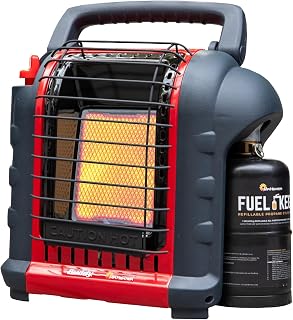
Winter heating:
- 
Summer cooling: - Battery-powered fans (draw ~50–100W; run 10–20 hours on a mid-size power station). - Wet towels and ice packs (if you have a power station to run a freezer briefly). - Light-colored, loose clothing; stay hydrated. - Open windows at night; close during the day to trap cool air.
First Aid & Sanitation
Without running water or electricity, minor injuries escalate quickly.
First aid kit: - Bandages, gauze, medical tape, antibiotic ointment. - Pain relievers, antacids, anti-diarrheal, allergy medication. - Prescription medications (30-day supply minimum; rotate with pharmacy refills). - Tweezers, scissors, thermometer, elastic bandages. - Burn cream, hydrocortisone cream, antihistamine.
Sanitation: - Toilet paper, paper towels, wet wipes, hand sanitizer (alcohol-based, 60%+ strength). - Feminine hygiene products. - Garbage bags (seal waste to prevent odor and pests). - Portable camping toilet or 5-gallon bucket with liner (if sewer/septic fails). - Soap (bar or powder; requires less water than liquid). - Toothpaste, floss, toothbrush.
Hygiene without running water: - Dry shampoo (reduces need for water). - Washcloths and stored water for spot-cleaning. - Bleach solution for disinfecting surfaces (1 part bleach to 10 parts water).
Documents, Tools & Miscellaneous
Critical documents (waterproof container): - Insurance policies, deeds, mortgage papers. - Medical records and medication lists. - Bank account numbers and emergency contact info. - Photos of home/valuables (for insurance claims).
Tools & supplies: - Adjustable wrench, screwdrivers, hammer, pry bar (for clearing debris or manual repairs). - Duct tape, electrical tape, rope or paracord. - Flashlight with extra batteries. - Fire extinguisher (rated for electrical fires if you’re running a generator). - Manual can opener (electric openers are useless without power). - Plastic sheeting and tarps (for temporary shelter or water collection).
Comfort & morale: - Books, cards, board games (entertainment without power). - Pet food and supplies (30-day stock, just like human food). - Infant formula and diapers (if applicable; these don’t store long, so rotate actively).
Storage & Rotation Strategy
Organization: - Group items by category in labeled bins. - Store in a cool, dry location (basement, closet, garage—not an attic where heat degrades food and batteries). - Keep a master inventory list taped to the bin or stored digitally.
Rotation schedule: - Water: rotate every 6–12 months per CDC guidance (CDC.gov). - Food: canned goods last 3–5 years; boxed items (crackers, granola) last 6–12 months per USDA guidance. Eat and replace every 1–2 years. - Batteries: replace annually. - Medications: rotate with pharmacy refills. - Fuel: stabilizer-treated gasoline every 3–6 months per EPA guidance; propane indefinitely.
FAQ
Is a 30-day supply necessary for my region, or is 7 days enough? The 2003 Northeast blackout lasted 4 days in most areas; Hurricane Katrina left some neighborhoods without power for 4+ weeks. If you live in a region prone to hurricanes, ice storms, or widespread grid failure, 30 days is justified. If outages in your area rarely exceed 24 hours, start with 7 days and expand based on local risk.
What’s the minimum viable power supply for essentials only? A 500Wh power station runs LED lights (10W) for 50 hours, or a refrigerator (150W) for 3–4 hours daily. For essentials (lights, phone charging, minimal refrigeration), budget for a mid-tier station. Adding solar panels extends runtime indefinitely.
Can I rely on my generator alone for a 30-day outage? Generators require fuel, which may be hard to obtain during widespread outages. A 7kW generator burns ~2–3 gallons per day at half load; 30 days requires 60–90 gallons stored safely. Pairing a generator with a power station (recharged via solar) or propane eliminates fuel-supply risk and reduces noise/emissions.
How much does a complete 30-day kit cost? A basic 30-day kit for a family of 4 (water, food, first aid, batteries, manual tools). Adding a mid-tier power station and portable solar brings the total to. A whole-home backup system (6kWh battery + solar) installed.
Where should I store my emergency supplies? Keep water and food in a cool, dry location away from direct sunlight (basement, interior closet, garage). Store fuel outside or in a detached shed, away from living spaces and ignition sources. Keep first aid and documents in an easy-to-grab waterproof container near an exit.
Building Your Checklist: Start Small, Expand Over Time
A complete 30-day supply feels overwhelming, so build in phases:
Phase 1 (~): Family of 4, 7-day essentials - 60 gallons water (twelve 5-gallon containers). - 7-day food supply (canned goods, crackers, peanut butter, powdered milk). - Flashlights, batteries, first aid kit.
Phase 2 (~): Family of 4, add power + heating - Mid-tier power station (500–1000Wh, ). - Portable solar panels (100–200W, ). - Propane heater and cartridges . - Expand food to 14 days.
Phase 3 (~): Family of 4, extend to 30 days - Additional food (canned goods, dried fruit, protein bars) to reach 30-day supply. - Water purification system (gravity filter, ). - Extra fuel, batteries, and sanitation supplies.
Phase 4 (optional, +): Whole-home backup - 6kWh+ battery system with solar panels. - Backup generator (propane or dual-fuel). - Whole-home transfer switch installation.
For budget-conscious preparation, see How to Build a Home Emergency Kit on a Budget. If you live in an RV or van, Lightweight Emergency Gear for Van Life: Essential Checklist offers space-optimized alternatives.
A power outage lasting days or weeks tests your preparedness ruthlessly. Water, food, power, and sanitation are non-negotiable. Start with the essentials, rotate stock regularly, and test your gear before an emergency forces you to rely on it.


