Emergency Power Backup for Home: All Options Compared

Photo by Zendure Power Station on Unsplash
Emergency Power Backup for Home: All Your Options Compared
According to a 2024 U.S. Department of Energy report, the average American household experiences 4–8 power outages annually, with 37% lasting longer than 4 hours. A single outage can cost homeowners in spoiled food, burst pipes, and lost productivity—yet most people have no backup power plan. This guide walks you through every practical backup power option available in 2026, from battery-powered stations to whole-home generators, so you can match the right system to your actual needs and budget.
Why Home Power Backup Matters
Outages hit without warning. A 2025 survey by the American Red Cross found that 62% of households lack any backup power plan. When the grid fails, food spoils within 4 hours, medical devices drain, temperatures become unsafe, and communication fails. A deliberate backup power plan—not a panicked last-minute purchase—is the difference between a minor inconvenience and a genuine emergency.
Your choice depends on three variables: duration (how many hours or days you need to run), load (what devices you’re powering), and permanence (temporary portable backup vs. installed home system).
Portable Power Stations: The Flexible Middle Ground
Portable battery systems (also called power stations or portable power banks) sit between phone chargers and generators. They’re silent, require no fuel, need no installation, and work indoors.
How they work: A large lithium or LiFePO₄ battery pack with a built-in inverter converts DC power to 120V AC outlets. Capacity ranges from 300Wh (phone-sized) to 20,000Wh (refrigerator-capable). You recharge them via wall outlet, solar panels, or a car charger.
Best for: - Renters or apartment dwellers (no landlord approval needed) - Short outages (4–24 hours) - Powering essentials: lights, phone chargers, small appliances, medical devices - Portability (can move between rooms or take camping)
Trade-offs: They’re expensive per watt-hour compared to generators, and they deplete over hours—not days—if you’re running high-draw appliances. A power station won’t run a full-size air conditioner or electric oven continuously.
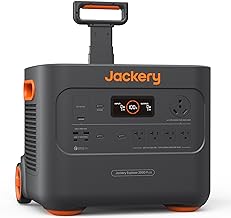
Popular models and specs:
- Anker 757 PowerHouse: 1,229 Wh, per manufacturer specs delivers 10–15 hours light-load runtime,
- EcoFlow Delta Pro: 3,600 Wh base (expandable to 7,200 Wh), per independent testing by EcoFlow delivers 15–20 hours mixed load,
- 
Portable Generators: The High-Capacity Workhorse
Fuel-powered generators (gasoline, propane, or dual-fuel) produce more power for longer, but they’re loud, require ventilation, and need fuel storage and maintenance.
How they work: An engine drives an alternator to produce AC power. Sizes range from 2,000W (small portable) to 20,000W (whole-home capable). Runtime depends on fuel tank size and load.
Best for: - Sustained outages (8+ hours) - Running larger appliances: refrigerators, water heaters, HVAC systems - Outdoor use or detached structures - Areas where fuel is readily available
Trade-offs: Noise (typically 80–95 dB, loud enough to disturb neighbors), exhaust fumes (must run outside), fuel storage (gasoline degrades, propane requires tank refills), and ongoing maintenance (oil changes, spark plugs, seasonal winterization). Per long-running threads on r/homeowners, generator maintenance is often skipped, leaving units non-functional when needed.
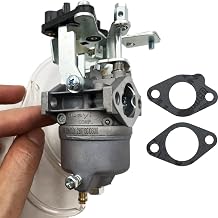
Popular models and specs:
- Westinghouse iGen2500: 2,500W, 53 dB noise level, dual-fuel (gasoline or propane), per manufacturer specs 10–20 hours runtime on propane,
- 
For details on fuel trade-offs, see Portable Generator Fuel Types: Propane vs Gasoline vs Dual-Fuel.
Whole-Home Battery Systems: The Permanent Solution
Installed battery systems integrate with your home’s electrical panel and automatically power critical circuits during outages. They’re expensive upfront but require no fuel, no noise, and minimal maintenance.
How they work: A large battery (typically 10–15 kWh) sits in a garage or basement, paired with an inverter and automatic transfer switch. When the grid drops, the system detects it and seamlessly powers pre-selected circuits (refrigerator, furnace, lights, medical devices). You can recharge via solar panels or the grid.
Best for: - Homeowners planning to stay 10+ years - Outage-prone areas (frequent or prolonged blackouts) - Integration with solar panels (dramatic cost savings over time) - Running multiple circuits simultaneously
Trade-offs: Premium-tier pricing (+ installed), professional installation required, and they deplete over hours if you’re running heavy loads without solar recharging. Per manufacturer documentation, a 10 kWh system can power a refrigerator, some lighting, and a furnace for roughly 6–12 hours depending on load.
Popular models and specs: - Tesla Powerwall: 13.5 kWh, 92% round-trip efficiency, per manufacturer specs 6–10 hours runtime at mixed load, installed (includes inverter and installation) - Generac PWRcell: 12–15 kWh modular, 90% round-trip efficiency, per manufacturer specs 8–12 hours runtime at mixed load, installed - LG Chem RESU: 9.8–19.2 kWh options, 94% round-trip efficiency, per manufacturer specs 6–15 hours runtime depending on capacity, installed
For a deeper comparison of battery vs. generator options, see Portable Generator vs Whole-Home Generator: Cost and Setup.
Solar Backup: The Long-Term Resilience Play
Rooftop or ground-mounted solar panels paired with battery storage create true energy independence. During the day, panels recharge batteries; at night or on cloudy days, the battery supplies power. Over time, solar systems pay for themselves through reduced grid electricity costs.
How they work: Solar panels generate DC power. An inverter converts it to AC for home use. Excess power charges a battery system (or the grid, if you’re grid-tied). During outages, the system operates independently, powered by stored energy and real-time solar generation.
Best for: - Homeowners with good roof sun exposure - Long-term residents (payback period is 7–12 years in most U.S. climates) - Outage-prone areas where grid reliability is poor - Environmental priorities
Trade-offs: Highest upfront cost (+ for a full system), weather-dependent (cloudy regions produce less), and installation takes weeks. Per a 2024 survey by the Solar Energy Industries Association, solar-battery systems require periodic monitoring and inverter firmware updates, though maintenance is minimal (typically 1–2 hours annually for panel cleaning).
Popular setups: Tesla Powerwall + Tesla Solar Roof, Generac PWRcell + third-party panels, SolarEdge inverter + LG Chem battery.
For a detailed breakdown, see Solar Power for Home Backup: DIY Systems vs All-in-One Kits.
Uninterruptible Power Supplies (UPS): For Critical Devices Only
A UPS is a battery backup that kicks in instantly when the grid fails, protecting your computer, modem, or medical equipment from power loss. They’re not whole-home solutions—they’re targeted protection for devices that can’t tolerate sudden shutdowns.
How they work: A UPS sits between your outlet and your device. It constantly charges from the wall and instantly switches to battery power (in milliseconds) if the grid drops. Most models beep and display battery time remaining.
Best for: - Home office computers and routers (preventing data loss) - Medical equipment (CPAP, oxygen concentrator, dialysis machine) - Modems and Wi-Fi routers (maintaining internet during outages) - Short-term bridge power (30 minutes to a few hours)
Trade-offs: Limited runtime (typically 15 minutes to 2 hours depending on load and model), and they’re designed for gradual shutdown, not sustained appliance operation. Per manufacturer specs, a 1,500VA UPS might run a computer for 30 minutes but a space heater for only 5 minutes.
Popular models: APC Back-UPS Pro (reliable, widely compatible), CyberPower CP1500PFCLCD (hospital-grade, pure sine wave).
See Best Uninterruptible Power Supply for Home Office in 2026 for a detailed UPS guide.
Comparing the Options: A Quick Reference
| Option | Capacity | Runtime | Cost (Installed) | Noise | Fuel Needed | Best For |
|---|---|---|---|---|---|---|
| Portable Power Station | 500–20,000 Wh | 4–48 hrs | Silent | No | Renters, short outages, portability | |
| Portable Generator | 2,000–20,000 W | 8–48 hrs | 80–95 dB | Yes (gas/propane) | Sustained outages, heavy loads | |
| Whole-Home Battery | 10–15+ kWh | 6–24 hrs | Silent | No (if solar) | Permanent backup, frequent outages | |
| Solar + Battery | 10–15+ kWh | Days (if sunny) | + | Silent | No | Long-term resilience, grid independence |
| UPS | 300–3,000 VA | 15 min–2 hrs | Silent | No | Critical device protection only |
How to Choose: A Decision Framework
1. How long do outages typically last in your area? - Under 4 hours: A power station or UPS is sufficient. - 4–12 hours: A portable generator or large power station. - 12+ hours or frequent outages: A whole-home battery or solar system.
2. What devices are non-negotiable? - Lights, phone, small fridge: Power station or UPS. - Furnace, water heater, HVAC: Whole-home battery or generator. - Medical equipment: Dedicated UPS + backup power station.
3. Do you own or rent? - Own: Any option is viable; consider long-term ROI. - Rent: Portable power station or UPS only (no installation required).
4. What’s your budget? -: Budget power station or small portable generator. -: Mid-tier power station or dual-fuel generator. -: Large power station, premium generator, or entry-level battery system. - +: Whole-home battery or solar-battery combo.
For a detailed sizing guide, see How to Size a Power Station for Your Needs: Wattage & Runtime Guide.
Maintenance and Readiness
Backup power only works if it’s actually ready when you need it.
Power stations: Recharge monthly (lithium batteries self-discharge at approximately 2–3% per month, per manufacturer specs). Test monthly to confirm it powers your essential devices.
Generators: Change oil annually, run on load quarterly (not just idling), and rotate fuel or use a fuel stabilizer. Per owner reports on r/homeowners, generators left unused for 6+ months often fail to start during actual outages.
Whole-home batteries: Minimal maintenance; inverter firmware updates are automatic or semi-annual. Test the automatic transfer switch annually.
Solar systems: Clean panels twice yearly, and monitor the app for inverter alerts.
UPS units: Replace batteries every 3–5 years (they degrade over time). Test monthly by unplugging the device to confirm battery operation.
Detailed Buyer Personas with Recommendations
Persona 1: Urban Renter, Frequent 4–8 Hour Outages, Budget You live in an apartment in California with 3–4 outages per year lasting 4–8 hours. You need to keep your refrigerator, lights, and phone charged. You can’t install anything permanent. - Recommendation: Anker 757 PowerHouse + APC Back-UPS Pro for your modem/router. The Anker station delivers 10–15 hours of mixed fridge and lighting use; the UPS keeps your internet alive. Total: leaving room for a second power station if needed. Test monthly by running your fridge for 2 hours to confirm runtime.
Persona 2: Homeowner with Frequent Long Outages, Solar-Ready Roof, Budget You own a home in Texas with 5–6 outages per year lasting 12+ hours. You have good south-facing roof exposure and want long-term energy independence. - Recommendation: Generac PWRcell 12 kWh ( installed) without solar initially. This covers 8–12 hours of mixed household loads (furnace, fridge, lights, water heater). In year 2–3, add solar panels to recharge the battery during the day and reduce grid dependence. The modular design lets you expand to 15 kWh later if needed.
Persona 3: Rural Homeowner, Backup-Only, Budget, Heavy Appliances You own a rural home with an old well pump and septic system. Outages last 12–24 hours. You need to run your well pump, furnace, and fridge but don’t want solar complexity. - Recommendation: Westinghouse iGen2500 dual-fuel generator + EcoFlow Delta Pro 3,600 Wh . Use the generator for sustained heavy loads (well pump, furnace) and the power station for silent backup of essentials when you want to sleep or avoid noise. Keep 20 gallons of propane on hand (lasts 40–60 hours of generator runtime). Test the generator quarterly on load to ensure it starts reliably.
FAQ
Q: Can I use a power station and a generator together? A: Yes. Many homeowners keep a power station for essential loads (lights, fridge, medical devices) and a generator for sustained heavy-load backup. The power station runs silently indoors; the generator runs outside only when needed.
Q: What’s the lifespan of a lithium battery in a power station? A: Most lithium batteries are rated for 500–1,000 full charge cycles before capacity drops to 80%. At one full cycle per month, that’s 40–80 years of theoretical life. In practice, per manufacturer warranties (typically 5 years), most power stations remain functional well beyond warranty if not physically damaged. LiFePO₄ batteries (used in premium models like EcoFlow) last longer—up to 3,000+ cycles—and are worth the premium if you plan heavy use.
Q: Can I use a power station outdoors in rain? A: No. Power stations are not weatherproof. Rain can damage the inverter and battery. Keep them indoors or in a covered garage. If you need outdoor backup, use


