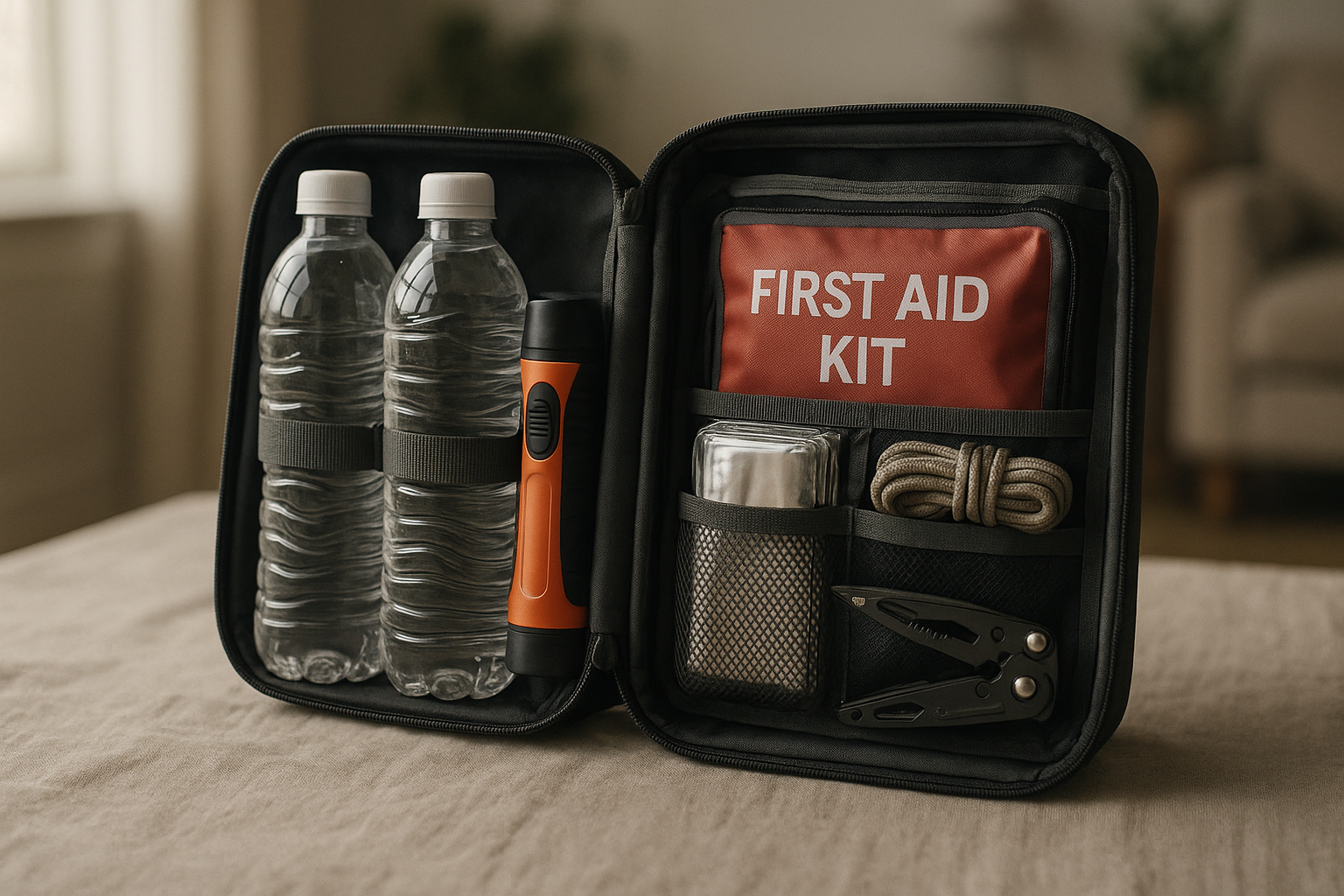
Best First Aid and Survival Kits for Camping Trips

Photo by milan degraeve on Unsplash
Best First Aid and Survival Kits for Camping Trips
When you’re three miles from the trailhead and someone twists an ankle or a blister tears open, a well-stocked first aid kit isn’t optional—it’s the difference between a manageable setback and an emergency evacuation. The right camping first aid kit depends on trip length, terrain, group size, and how far from help you’ll be. This guide covers what actually matters in the field, how to build or buy a kit that won’t weigh you down, and which pre-assembled options deliver real value.
Why a Camping-Specific First Aid Kit Matters
A standard home medicine cabinet isn’t designed for the field. Camping injuries differ: blisters, sprains, minor cuts from sharp rocks or branches, insect bites, and dehydration are far more common than the ailments your bathroom cabinet addresses. A camping kit also needs to be waterproof, lightweight, and organized for quick access in low light or stressful moments.
Pre-assembled camping kits solve the guesswork—they’re built by people who’ve treated injuries outdoors. You’re not paying for branding; you’re paying for field-tested item selection and compact packaging. That said, many campers customize a kit by starting with a solid base and adding personal medications or region-specific items (like tick tweezers for Lyme-endemic areas).
Anatomy of a Good Camping First Aid Kit
Before picking a specific product, know what to look for:
- Blister treatment: Moleskin, blister pads, or hydrogel patches. Blisters are a leading reason trips get cut short per anecdotal reports from experienced campers.
- Wound care: Antibiotic ointment, sterile gauze pads, and adhesive bandages in various sizes.
- Pain and fever: Ibuprofen or acetaminophen tablets (lightweight, no liquid).
- Bleed control: Gauze rolls or pads, medical tape, and pressure dressings for cuts.
- Anti-inflammatory: Hydrocortisone cream for insect bites and minor allergic reactions.
- Tweezers or tick removal tool: Essential if you’re in tick or splinter country.
- Elastic bandage or wrap: For ankle and wrist support.
- Waterproof case: Everything should survive rain and stream crossings.
- Weight and volume: A day-hike kit should weigh under 10 oz; multi-day kits 1–2 lbs.
Top Picks by Trip Type
Best for Day Hikes and Short Trips
Adventure Medical Kits Ultralight Watertight (~)
For trips under 8 hours where you’re never far from the car, an ultralight kit is ideal. This category emphasizes portability over comprehensiveness. Most weigh under 5 oz and fit in a cargo pocket or pack side pocket. They include essentials—bandages, pain relief, antibiotic ointment—but skip redundancy. Per manufacturer specs and owner reviews, ultralight kits handle minor cuts, blisters, and headaches without the bulk of a full backcountry setup.
Best for Multi-Day Backcountry Camping
Surviveware Waterproof First Aid Kit (~)
Multi-day trips demand depth. You need multiple blister treatments, extra gauze, more pain relief, and items for conditions that might develop over several days (like infection signs or persistent soreness). Backcountry kits typically weigh 1–2 lbs and include elastic wraps, larger bandage assortments, and treatment for common camp ailments. The most appreciated backcountry kits balance completeness with weight—they don’t include every possible item, but they cover the scenarios most likely to occur far from a pharmacy.
Best for Family Car Camping
First Aid Only 299-Piece All-Purpose First Aid Kit (~)
Car camping removes weight constraints, so you can bring a larger kit that covers the whole group. These kits often include tweezers, scissors, antihistamines, antacids, and items for minor burns or stings. A 200+ piece kit gives you redundancy and variety—useful when you don’t know exactly what injuries might arise. Based on aggregated owner reviews, family-size kits excel at handling the unpredictable needs of kids and adults in a camp setting over several days.
Best for Wilderness Survival Focus
Survival Hax Survival Kit (~)
If your trips emphasize self-sufficiency and remote terrain, a hybrid first aid + survival kit makes sense. These bundles combine medical items with fire-starters, signaling mirrors, cordage, and water purification. The medical component is usually smaller than a dedicated first aid kit, but the added survival tools justify the trade-off for serious backcountry users. Per teardown reviews on YouTube and owner reports, survival kits appeal to campers who want to be genuinely prepared for extended self-rescue scenarios.
Best Budget Option
Chinook Medical Gear Backcountry First Aid Kit (~)
You don’t need a premium brand to get solid field performance. Budget-tier kits from established outdoor medicine companies include the essentials—wound care, blister treatment, pain relief, and antibiotic ointment—without the markup of premium brands. According to owner reviews, budget kits work just as well for typical camping injuries; you’re mainly trading packaging polish and item variety for lower cost.
Building Your Own Kit vs. Buying Pre-Assembled
Pre-assembled kits save time, ensure nothing is forgotten, and often cost less per item than buying individually. They’re ideal if you’re new to camping or want a reliable starting point.
DIY kits let you customize for your specific needs—add prescription medications, include items for known allergies, or swap out items you don’t need. Many experienced campers start with a pre-assembled kit and add or remove items based on past trips.
A hybrid approach works well: buy a solid base kit (mid-range, 500–800 piece) and add 5–10 personal items in a separate small pouch. This gives you the structure of a curated kit plus flexibility.
Storage and Maintenance Tips
- Keep it dry: Use a waterproof bag or case. Moisture ruins bandages and degrades medications.
- Check expiry dates: Ibuprofen tablets remain effective for 3–5 years if stored in a cool, dry place; antibiotic ointments typically last 2–3 years. Review your kit annually and replace expired items.
- Organize by use: Group wound care together, blister items together, and medications together so you can grab what you need fast.
- Restock after trips: Replace used items immediately so your kit is ready for the next trip.
- Test it at home: Before a backcountry trip, open your kit and familiarize yourself with what’s inside and where it is.
What to Add to Any Pre-Assembled Kit
No pre-built kit covers every personal need. Consider adding:
- Prescription medications: Allergy meds, inhalers, or pain relievers you use regularly.
- Insect repellent: Especially for summer trips or tick-prone regions.
- Sunscreen: Small travel packets prevent burns that complicate later days.
- Blister prevention: Leukotape or Taping strips if you’re blister-prone.
- Personal allergies: EpiPen, antihistamines, or specific allergy meds.
- Feminine hygiene items: If relevant to your group.
- Medications for altitude or motion sickness: If you’re hiking at elevation or paddling.
Weight and Packability Comparison
The ranges below reflect typical weights for the product categories reviewed:
- Ultralight (day hike): Under 10 oz—fits in a pocket or small pouch. Examples: Adventure Medical Kits Ultralight Watertight.
- Standard (weekend trip): 12–20 oz—fits in a pack side pocket or small stuff sack. Examples: Surviveware Waterproof First Aid Kit.
- Comprehensive (multi-day): 1–2 lbs—needs a dedicated spot in your pack. Examples: Chinook Medical Gear Backcountry First Aid Kit.
- Family/car camping: 2–5 lbs—stays in the car or base camp. Examples: First Aid Only 299-Piece All-Purpose First Aid Kit.
Choose based on how far you’ll be from help and how long you’ll be out. A day hike near a trailhead? Ultralight. A three-day backcountry loop? Standard or comprehensive.
Complementary Gear for Camping Safety
A first aid kit is one layer of safety. Consider pairing it with:
- Navigation tools: Map, compass, or GPS device to avoid getting lost.
- Emergency shelter: Bivy sack or emergency blanket for unexpected overnight stays.
- Water treatment: Filter or tablets to prevent dehydration and waterborne illness.
- Headlamp: Essential for treating injuries in low light.
- Communication: Satellite messenger or personal locator beacon for truly remote trips.
For trips near civilization or established campgrounds, a solid first aid kit is often enough. For backcountry multi-day trips, these complementary items become increasingly important.
FAQ
Q: What’s the difference between hydrogel and moleskin blister pads? A: Hydrogel pads absorb fluid and provide cushioning; they’re best for intact blisters and feel cooler on the skin. Moleskin is adhesive foam that protects the blister from friction; it’s better for prevention or when a blister has already torn. Many campers carry both. Hydrogel pads typically last 1–2 days before losing adhesion; moleskin lasts 3–5 days if kept dry.
Q: How do I treat a suspected infection in the field? A: Clean the wound thoroughly with clean water or a sterile wipe. Apply antibiotic ointment (like bacitracin) and cover with a sterile bandage. Change the dressing daily. Watch for increasing redness, warmth, swelling, or pus—these signal infection. If symptoms worsen or you develop fever, head out to seek medical care. On multi-day trips, carry extra antibiotic ointment and larger bandages for this scenario.
Q: Can I use a regular home first aid kit for camping? A: It’s not ideal. Home kits are heavier, often not waterproof, and include items less relevant to outdoor injuries (like thermometers). A camping-specific kit is lighter, more durable, and prioritizes the injuries you’ll actually face in the field.
Q: How often should I replace my camping first aid kit? A: Check it annually for expired medications and used items. After a trip, restock anything you used. Most kits last 2–3 years if stored in a cool, dry place. Replace sooner if items are damaged or if you camp in harsh conditions.
Q: What’s the best first aid kit for solo backpacking? A: A standard ultralight or lightweight kit (under 1 lb) covers solo trips well. Focus on blister prevention and treatment, since you can’t rely on anyone else to help you keep moving. Add a personal locator beacon or satellite messenger if you’re in truly remote terrain.
Summary
The best camping first aid kit matches your trip profile: ultralight for day hikes, standard for weekend trips, and comprehensive for multi-day backcountry camping. Pre-assembled kits from established outdoor medicine companies remove guesswork and often cost less than DIY. Prioritize blister treatment, wound care, and pain relief—those are the injuries you’ll actually face. Waterproof packaging and compact organization matter more than item count. And remember: a kit in your pack does nothing; one you actually carry and know how to use saves trips and prevents emergencies from escalating.