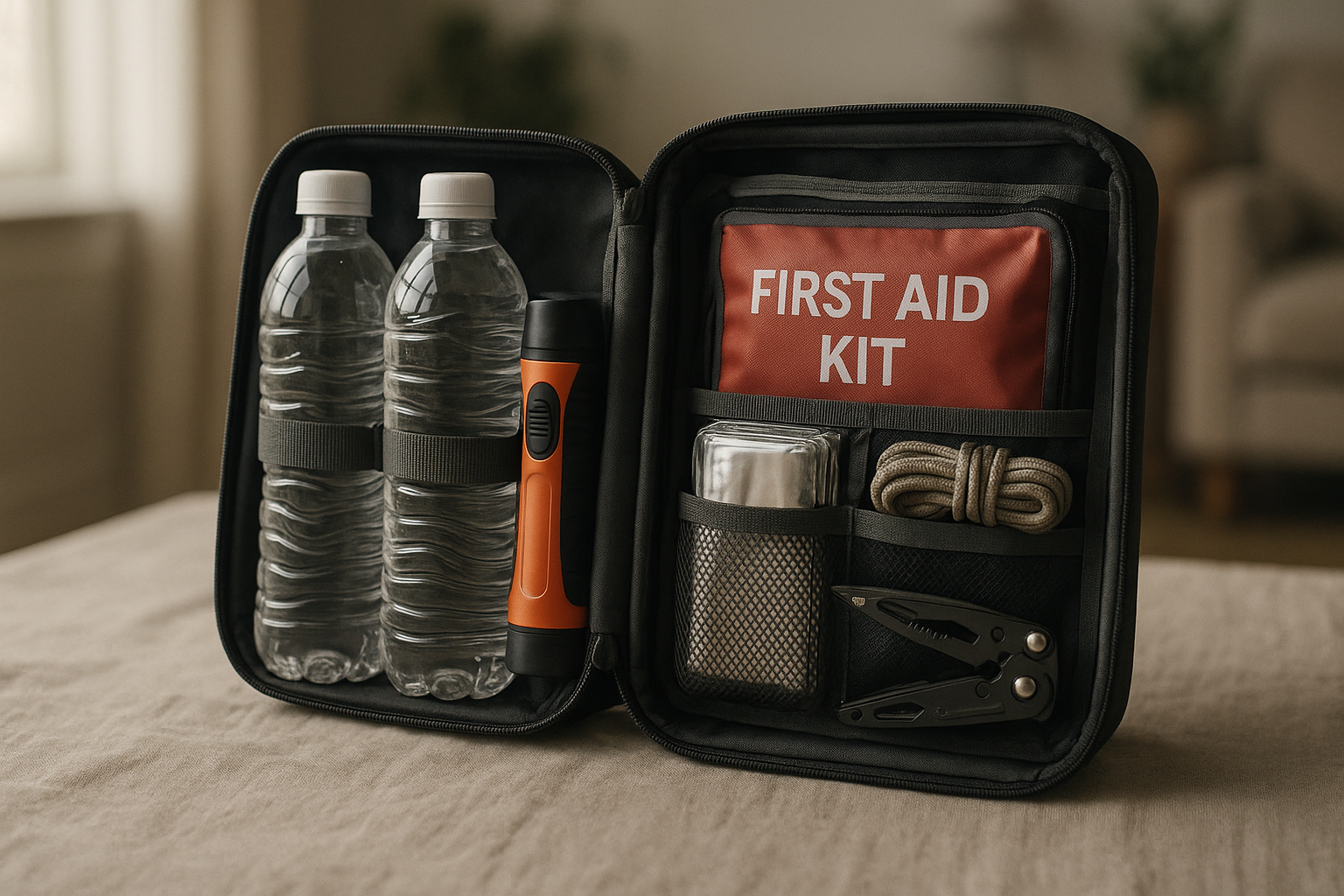
Best Emergency Kits for Apartments 2026

Photo by Mathurin NAPOLY / matnapo on Unsplash
Best Emergency Kits for Apartments 2026
Apartment living demands emergency gear that doesn’t consume half your closet. Unlike houses with basements or garages, you’re working with limited square footage—so an emergency kit needs to be genuinely compact, modular, and focused on the threats that actually matter in urban or suburban multifamily housing. This guide covers what goes into a practical apartment emergency kit, how to organize it, and which ready-made kits deliver real value without bloat.
Why Apartments Need a Different Approach
Apartment emergency prep differs fundamentally from house or RV preparedness. You have no generator hookup, limited outdoor space, noise restrictions, and shared utilities you can’t control. A power outage affects your whole building; water shutoffs are centralized; evacuation routes are fixed. Your kit must be portable, quiet, and compliant with lease terms—no permanent installations, no propane tanks on balconies, no heavy-duty generators that violate noise ordinances.
The goal isn’t self-sufficiency for weeks; it’s getting through 72 hours without panic while utilities are restored or you can safely evacuate.
Core Categories Every Apartment Kit Needs
Water and Hydration
Water is the non-negotiable first item. Federal guidance recommends 1 gallon per person per day for drinking and sanitation. For a two-person apartment, that’s 6 gallons for a 72-hour window.
Storage options: - Bottled water in sealed cases — Most reliable, requires minimal space if you use vertical closet shelving. Rotate annually. - Water filtration system — A LifeStraw or similar filter lets you use tap water if lines are compromised. Takes almost no space. For detailed apartment-specific outage planning, see Power Outage Preparedness for Apartments: What You Can Actually Do. - Collapsible water containers — Fold flat when empty, fill from the tap if mains pressure is still up. Useful backup to bottled supply.
Don’t rely solely on filtering: municipal water may be shut off entirely. Keep at least 3 gallons bottled; supplement with filtration capacity.
First Aid and Medical
A comprehensive first aid kit is non-negotiable. Apartment emergencies—falls during power outages, cuts from broken glass in earthquakes, medication shortages during supply-chain disruptions—demand immediate response before ambulances can reach you.
What to include: - Sterile gauze, adhesive bandages (multiple sizes), elastic bandages - Antibiotic ointment, pain relievers (ibuprofen, acetaminophen), antihistamine - Any prescription medications in a 30-day backup supply (kept separate, rotated) - Tweezers, scissors, CPR face shield - Thermometer, blood pressure cuff if you have hypertension - Prescription eyeglasses or contacts (if applicable) as a backup pair
Pre-made kits often skimp on medications. Consider buying a basic kit and augmenting it with your personal medications and any chronic-condition supplies (inhalers, EpiPens, glucose monitor supplies).
Light and Signaling
Power outages mean no ceiling lights. Apartment hallways and stairwells become hazardous in darkness.
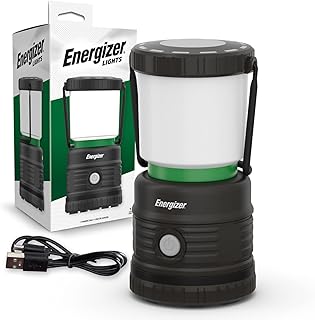
Practical options: - LED flashlights — Two 500-lumen LED flashlights with extra batteries stored separately (batteries degrade over time, so rotate annually). - Headlamp — Frees both hands for navigating debris or assisting others. - Glow sticks — No batteries, long shelf life, useful for marking safe zones or signaling. - Lantern with USB charging — Spreads light across a room and can top up a phone if it has a built-in power bank.
Avoid candles in apartments: confined spaces, fire code violations, and the risk of tipping during earthquakes make them dangerous.
Communication and Information
If cellular networks are down, you need a way to receive emergency broadcasts and contact outside the building.
Include: - Battery-powered or hand-crank radio — Receives NOAA weather alerts and emergency broadcasts. Hand-crank models need no batteries but are slower to charge. - Phone charger — A 10,000 mAh portable power bank (e.g., Anker PowerCore 10000) keeps your phone alive for calls and navigation through multiple charge cycles. - Whistle — If you’re trapped or need to signal for help, a loud whistle carries farther than shouting. - Printed emergency contacts — Your phone dies; a written list of family numbers and out-of-state contact does not.
Shelter and Warmth
In a winter power outage, your apartment may cool dangerously. In summer, heat becomes the threat.
Compact additions: - Emergency blanket or sleeping bag — Even a lightweight mylar emergency blanket is better than nothing and packs into a fist-sized pouch. - Heavy blanket or sleeping bag — If you have closet space, a real sleeping bag is more practical than mylar for extended cold. - Duct tape and plastic sheeting — Seal broken windows or create a smaller, insulated room.
Most apartments can be partially heated by body warmth if you seal off one room, so focus on insulation rather than active heating.
Tools and Supplies
A few key items solve common emergency problems:
- Multi-tool or knife — Cut through packaging, open cans, repair gear.
- Duct tape — Seal gaps, secure bandages, temporary repairs.
- Crow bar or pry bar — If you need to force a door or window open for evacuation.
- Work gloves — Protect hands from broken glass or sharp metal.
- N95 masks — For air quality emergencies (wildfire smoke, dust from structural damage).
Food (Non-Perishable, No-Cook)
You won’t starve in 72 hours, but morale matters. Include shelf-stable, ready-to-eat items:
- Granola bars, nuts, dried fruit
- Canned goods that don’t require heating (beans, tuna, fruit)
- Peanut butter, crackers
- Electrolyte drink powder (for dehydration)
Avoid anything requiring cooking unless you have a camp stove (which raises ventilation and safety concerns in apartments). Focus on calories and comfort, not gourmet meals.
Modular Kit Organization
Rather than one monolithic box, consider a modular approach that matches your apartment layout:
- Main kit — Waterproof bin in a bedroom closet with water, first aid, medications, documents.
- Go bag — Backpack with essentials (water, first aid, phone charger, flashlight, whistle) that you can grab and carry if evacuation is necessary.
- Utility cache — Tools, duct tape, plastic sheeting in a small bin under the sink.
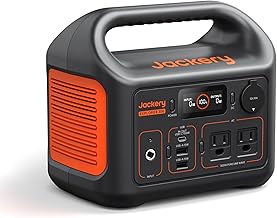
- Power backup — Portable power station or power bank on a shelf, charged monthly. For larger backup options if your lease allows, see Best Quiet Generators for Apartments and Condos 2026.
This way, you’re not searching for a single box in a crisis; each module serves a specific function.
Ready-Made Kits vs. Custom Assembly
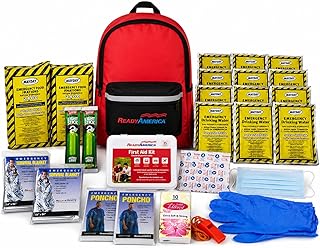
Ready-made kits (72-hour, family-sized) are convenient and often cheaper than buying items individually. Look for kits that include water, first aid, light, and a radio. Well-regarded kits consistently include redundancy (multiple flashlights, backup batteries) and focus on compact storage.
Custom assembly takes more time but lets you tailor items to your specific needs—your medications, your preferred foods, your apartment’s layout. If you have pets, a pre-made kit won’t include pet supplies; if you rely on daily medications, you’ll need to add a 30-day backup yourself.
Hybrid approach — Buy a solid base kit and augment it with personal items. This balances convenience and customization.
Power Backup for Apartments
If you have budget and space, a portable power station bridges the gap between a dead phone and a full generator setup. For apartment-compliant generators and detailed guidance on selecting a unit that won’t violate lease terms or annoy neighbors, see How to Choose a Backup Generator for Apartments (Quiet & Compact).
Maintenance and Rotation
An emergency kit is only useful if it’s ready. Set a calendar reminder for:
- Every 6 months — Check expiration dates on medications, food, and water. Replace any expired items.
- Annually — Rotate water (old water can develop off-flavors or algae in storage). Test flashlights and replace batteries if needed.
- After any use — If you crack open the kit for a minor first-aid incident, replenish supplies immediately.
Store your kit in a cool, dry place away from direct sunlight. Basements prone to flooding or hot attics will degrade supplies faster.
FAQ
Q: How much does a good apartment emergency kit cost? A: A basic 72-hour kit (water, first aid, light, radio). Adding a 10,000 mAh power bank and expanded first aid pushes it to. A portable power station adds. Start with the base and expand over time.
Q: Can I keep my emergency kit in a shared hallway or storage unit? A: Check your lease. Most landlords require tenants to keep emergency supplies in their own unit. Shared storage may be subject to flooding or theft. Your bedroom closet or under-bed storage is ideal—accessible but out of the way.
Q: What if I live in an apartment with no balcony and limited closet space? A: Prioritize modular, stackable storage. A flat waterproof bin slides under a bed. A go bag hangs in a coat closet. A small tool kit fits under the sink. Vertical shelving in a closet adds capacity without floor space.
Q: Do I need a generator for apartment emergency prep? A: Not necessarily. Generators are loud and may violate lease terms. A portable power station is quieter and apartment-friendly for charging phones and small devices. For detailed trade-offs, see How to Choose a Backup Generator for Apartments (Quiet & Compact).
Q: How do I know what medications to stockpile? A: Talk to your doctor or pharmacist. Ask for a 30-day emergency supply of any daily medications (blood pressure meds, inhalers, diabetes supplies). Keep them in a cool, dry place, separate from the main kit, and rotate them annually. Don’t hoard; rotate through your normal supply.
Q: Should I include cash in my emergency kit? A: Yes. If ATMs and card readers are down, cash is the only way to buy supplies. Keep small bills in a waterproof pouch in your kit. Rotate it periodically to ensure bills aren’t degraded.
Top Picks
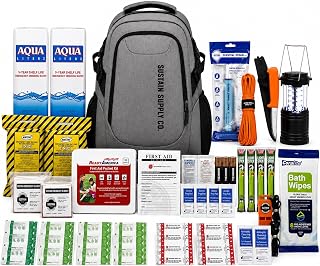
LifeStraw Family Emergency Water Filter Kit — Filtration for up to 5,000 gallons of water. Takes minimal space and solves the water problem if mains pressure is still up but quality is questionable.
Getting Started This Week
An apartment emergency kit isn’t about wilderness survival; it’s about getting through a 72-hour disruption—power outage, water main break, evacuation—without panic or improvisation. Start this week by purchasing a 10,000 mAh power bank and three gallons of bottled water. Next month, add a basic first aid kit and two LED flashlights with extra batteries. By month three, round out your kit with a portable radio, emergency blanket, and a modular storage bin. Focus on water, first aid, light, communication, and warmth. Keep it modular so you can grab what you need quickly. Rotate supplies annually so nothing expires unused. A well-stocked apartment kit costs less than a single dinner out and buys you genuine readiness for the disruptions that actually happen in city living.