Best Quiet Generators for Apartments and Condos 2026

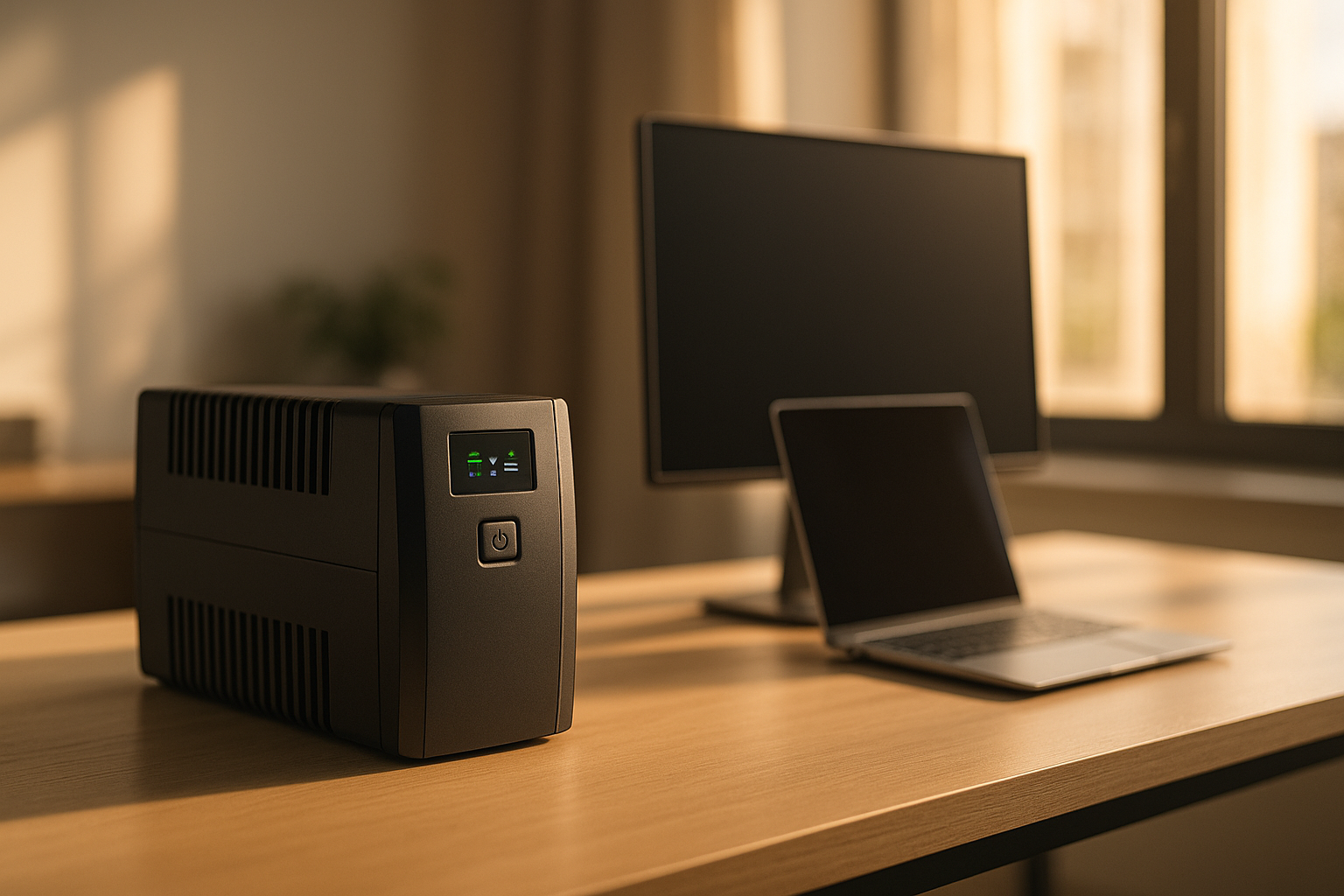
Photo by Jackery Power Station on Unsplash
Best Quiet Generators for Apartments and Condos 2026
When a power outage hits your apartment or condo, a generator becomes your lifeline—but it also becomes your neighbor’s headache if it sounds like a chainsaw at 2 a.m. Apartment generators live in tight constraints: they must be quiet, compact, and compliant with building codes and HOA rules. This guide explains what makes a generator apartment-friendly, how to measure noise honestly, and which models deliver power without breaking lease agreements or relationships.
Why Apartment Generators Are Different
A full-size standby generator bolted to a foundation works fine for a house with acreage. An apartment or condo owner has almost none of those luxuries. You can’t install a permanent unit. You can’t run it continuously without complaints. You can’t store a 500-pound beast in a 400-square-foot unit. And you can’t ignore noise—walls are thin, patios are shared, and your lease probably has a clause about disturbing the peace.
Apartment generators must compress power into a smaller footprint, run quietly (ideally under 65 decibels), and often switch fuels to avoid the smell and spill risk of gasoline. Inverter generators produce stable, clean power via electronic regulation rather than mechanical throttling. They’ve become the standard for apartment use because they’re quieter, more efficient, and safer for sensitive electronics like laptops and phone chargers.
Understanding Decibel Ratings and Real-World Noise
Decibel claims on product pages are often measured at 1/4 load in ideal conditions, not the way you’ll actually run the unit. A generator rated “49 dB” might hit 70+ dB under full load in your enclosed patio. Manufacturers are usually honest about 1/4-load figures, but context matters.
How to interpret decibel specs: - 50 dB: quiet as a refrigerator; you can talk over it - 60 dB: normal conversation level; noticeable but not intrusive - 70 dB: vacuum cleaner; clearly audible indoors - 80+ dB: lawnmower; will trigger complaints
When comparing models, ask for 1/4-load and full-load noise curves, not just the headline number. Real-world noise is typically 5–10 dB louder than the 1/4-load spec when running at 75% capacity. Inverter generators throttle down during light loads, so if you’re powering a fridge and a few outlets, you’ll often hit that quieter 1/4-load zone.
Fuel Type and Apartment Living
Gasoline is convenient but smelly, volatile, and prone to carburetor gunk if left sitting. Propane is cleaner, doesn’t degrade, and produces less odor—a major win for shared walls. Dual-fuel units let you switch between both, giving flexibility.
For apartments, propane is often the better choice. A 20-pound propane tank (the standard grill-size cylinder) takes up minimal space, doesn’t leak fumes into your unit, and can sit outside or in a storage cage without creating a fire code issue. Gasoline generators require careful storage away from living areas and must be drained seasonally to prevent fuel degradation. Many condo HOAs explicitly permit propane but restrict gasoline storage indoors.
If you choose a dual-fuel model, test it on propane before an emergency. Some units run slightly less efficiently on propane, and the carburetor settings differ. Switching fuels requires proper purging to prevent starting issues.
Wattage: How Much Do You Actually Need?
A 2000–3000 watt generator covers most apartment essentials. Per ENERGY STAR specifications, a refrigerator draws 600–800 W, a laptop charger 65–100 W, phone charging 5–15 W, LED lighting 10–30 W per bulb, and a space heater or small window AC 750–1500 W. Running both a fridge and a 1500 W heater requires at least 2300 watts of capacity due to startup surge.
Higher wattage (4000–5000 W) gives you more headroom and lets you run multiple devices at once, but it adds weight, noise, and cost. Most apartment dwellers find 2500–3500 watts to be the sweet spot: enough to run a fridge plus secondary loads, without becoming a storage nightmare.
Portability and Storage
Weight and dimensions matter in an apartment context. A 100-pound generator is a two-person lift to a balcony or storage closet. Most apartment-friendly units weigh 48–65 pounds and have a footprint smaller than a large suitcase.
Look for: - Handles: Dual top handles (not just a single grip) make carrying much easier. - Wheels: Some models include small wheels, though they’re not ideal for stairs; a hand truck is a better investment. - Noise enclosure: A few premium models ship with soundproofing covers. These can drop noise by 5–10 dB but add weight and reduce cooling airflow, so they’re best for brief use.
Storage options in a typical apartment are limited: a hall closet, a corner of the bedroom, a locked balcony box, or a shared storage unit. Verify your lease and HOA rules before buying—some buildings prohibit generators in units or common areas, while others allow them only in designated outdoor zones.
Inverter Technology and Electronics Protection
Standard generators produce “dirty” power with voltage fluctuations that can damage sensitive electronics. Inverter generators use a multi-stage alternator and electronic regulation to produce a clean sine wave, matching utility-grid quality. This matters if you’re powering a laptop, gaming console, smart TV, or medical device.
Inverter generators cost 30–50% more than conventional units but are worth it for apartment use, where you’re likely powering expensive devices in close quarters. All the recommendations in this guide use inverter technology.
Runtime and Fuel Consumption
Runtime depends on load and tank size. A 2000 W inverter generator with a 3.7-gallon tank might run 8–13 hours at 1/4 load (light use) but only 4–5 hours at full load. Propane tanks offer similar runtime but vary by tank size; a standard 20-pound propane cylinder typically runs a 3000 W generator for 5–8 hours at 1/4 load.
For apartment use, aim for at least 8 hours of runtime at 1/4 load. This covers a full night of essential loads (fridge, lights, chargers) without needing to refuel. Longer runtime means fewer trips to the gas station or propane supplier during an outage.
Top Recommendations by Scenario
Champion 3100-Watt Inverter Generator is a popular choice for apartment dwellers who prioritize quiet operation. It consistently runs at 59 dB at 1/4 load, making it one of the quietest portable units in its wattage class. The 3100 W capacity handles a fridge plus secondary loads, and the inverter produces clean power for electronics. Weighs around 60 pounds with a handle. Compared to the WEN 56203i, the Champion more but delivers 1100 additional watts and slightly lower noise at 1/4 load.
Honda EU2200i Inverter Generator is the gold standard for quiet operation and reliability. At 49 dB at 1/4 load, it’s one of the quietest inverter generators available. The 2200 W output covers apartment essentials, and runtime reaches 13 hours at 1/4 load. Premium pricing reflects the brand reputation and longevity—many owners report 10+ years of reliable service with minimal maintenance. Versus the Champion 3100, the Honda more but runs 10 dB quieter and lasts significantly longer. Best for buyers treating the generator as a 20-year investment.
DuroMax XP4500 Dual Fuel Inverter Generator offers flexibility for apartment dwellers who want to switch between propane and gasoline. The 4500 W capacity provides headroom for running multiple devices, and dual-fuel capability eliminates the need to store gasoline indoors. Noise levels are moderate at 69 dB at 1/4 load, which is acceptable for outdoor patio use but 10 dB louder than the Honda. Mid-tier pricing makes it attractive for budget-conscious buyers who don’t want to compromise on fuel flexibility. Trade-off: higher noise than inverter-specific models, but more wattage and fuel options than the Champion.
Westinghouse iGen4500 Inverter Generator delivers pure sine wave output and solid runtime in a mid-range package. The 4500 W capacity is generous for apartment use, and the inverter ensures safe operation for sensitive electronics. Weighs around 89 pounds, so it’s less portable than smaller units but still manageable with two people. Noise levels are moderate at 68 dB at 1/4 load. Versus the DuroMax XP4500, the Westinghouse more but offers slightly lower noise and stronger brand support. Best for buyers who want maximum wattage without premium pricing.
Building Code and HOA Compliance
Before buying, check your lease, HOA rules, and local building codes. Many apartments and condos restrict generator use, placement, and operation hours. Common restrictions include:
- Generators prohibited in units: Some buildings require outdoor placement only (balcony, patio, or storage area).
- Noise limits: HOAs often cap noise at 65–70 dB during daytime and 60 dB at night.
- Fuel storage: Gasoline may be prohibited; propane may require a locked cage or designated area.
- Operating hours: Use may be limited to daytime or emergency-only scenarios.
- Exhaust direction: Exhaust must point away from neighbors’ windows and doors.
Action step: Request your HOA’s generator policy in writing before purchase. If you rent, ask your landlord to confirm generator use in writing. Check your lease for any sections on backup power or external equipment. This prevents buying a unit you can’t legally use.
Maintenance and Storage Tips
Even if you buy the perfect apartment generator, neglect will kill it. Gasoline-powered units need seasonal maintenance: drain the fuel tank, run the engine dry, or add fuel stabilizer if storing for more than 30 days. Propane units are lower-maintenance but still need occasional spark plug checks and air filter cleaning.
Store the generator in a cool, dry place away from living spaces. Garages are ideal; bedrooms are not. If you store it on a balcony or in a shared storage unit, use a weatherproof cover and ensure proper ventilation. Exhaust fumes are toxic indoors. Before an emergency, test the unit monthly at low load to confirm it starts reliably.
FAQ
Q: Can I run a generator inside my apartment? A: No. Generator exhaust contains carbon monoxide, which is lethal indoors. Always run the unit outside, at least 20 feet from windows and doors, with exhaust pointing away from living spaces. Even a small portable generator can produce dangerous CO levels in minutes if run in a garage, basement, or enclosed patio.
Q: Will my neighbors complain about noise? A: Probably, unless you choose a very quiet model and keep runtime brief. Under 60 dB is “acceptable” for most apartment dwellers, but context matters. Running a generator at 3 a.m. will trigger complaints even if it’s technically quiet. Use it during daytime if possible, and notify neighbors before an extended outage.
Q: Can I use a generator in a basement or garage? A: No. Basements and garages are enclosed spaces where carbon monoxide accumulates rapidly. You must run the generator outside, at least 20 feet away from doors and windows. Even with ventilation, indoor operation is dangerous.
Q: What’s the cheapest quiet generator? A: The WEN 56203i is the most affordable quiet option, running at 53 dB at 1/4 load. The Champion 3100 offers more wattage for slightly higher noise. Both are well and suitable for apartment use.
Q: How long will a generator last? A: With proper maintenance, a quality inverter generator lasts 10–20 years. Budget brands may fail after 3–5 years of regular use. Honda and Champion units are known for longevity, while lesser-known brands have higher failure rates. Invest in a reputable brand if you expect long-term use.
Q: Can I use a generator in a condo with an HOA? A: Check your HOA rules first. Many condos allow generators in outdoor spaces (balconies, patios) but prohibit them in units or common areas. Some HOAs restrict noise levels or operating hours. Request the policy in writing before buying.
Q: What’s the best fuel for apartment storage? A: Propane is safer and cleaner than gasoline. A 20-pound propane tank takes minimal space, doesn’t leak fumes, and doesn’t degrade over time. Gasoline requires careful ventilation and seasonal maintenance. Dual-fuel units let you switch, but test on propane before relying on it.
Final Thoughts
The best quiet generator for your apartment balances three demands: low noise (under 65 dB at 1/4 load), compact size (under 70 pounds), and sufficient wattage (2000–3500 W for most apartments). Inverter technology is non-negotiable for protecting electronics and reducing noise. Propane capability is a bonus for cleaner storage and operation.
Before you buy, verify that your lease and HOA allow generators, and check local noise ordinances. A quiet, compliant generator is an investment in both emergency preparedness and neighborly peace. Test it monthly at low load, store it properly, and keep fuel or propane on hand. When the power goes out, you’ll be the neighbor with lights, a working fridge, and a clear conscience.
Related articles: - How to Choose a Backup Generator for Apartments (Quiet & Compact) - Best Battery Backup Systems for Whole House Power Outages - Power Outage Preparedness for Apartments: What You Can Actually Do - Best Emergency Kits for Apartments 2026: Compact and Practical