How to Choose a Backup Generator for Apartments (Quiet & Compact)

Photo by Zendure Power Station on Unsplash
How to Choose a Backup Generator for Apartments
Apartment dwellers face unique constraints when selecting a backup generator: you can’t install a permanent unit, noise restrictions are tight, space is limited, and your lease likely forbids major modifications. The right portable generator for an apartment balances adequate power output with whisper-quiet operation and a footprint small enough to tuck into a closet or balcony corner.
Why Apartments Need a Different Generator Strategy
Apartment generators aren’t just smaller versions of home backup units—they operate under different rules. A 20,000-watt home standby generator is impossible to install, illegal to run indoors, and will violate noise ordinances and lease terms within seconds. Apartment backup power must be:
- Portable enough to store or relocate when the landlord visits
- Quiet enough to avoid neighbor complaints (most buildings enforce 60–70 dB noise limits)
- Safe to operate outdoors (carbon monoxide rules out indoor use entirely)
- Fuel-efficient (you can’t stockpile 50 gallons of gasoline in a one-bedroom)
- Inverter-equipped to protect sensitive devices like laptops, phones, and medical equipment
If you’re considering a generator primarily for refrigerator backup during brief outages, a Backup Power Supply for Refrigerator During Outage: What You Need or portable power station may be a quieter alternative worth exploring first.
Understanding Wattage: Running vs. Starting Power
The first mistake apartment dwellers make is confusing running watts with starting (surge) watts. A generator’s nameplate lists both; the starting wattage is 2–3× higher and lasts only a few seconds when an appliance kicks on.
Running watts = sustained power output your apartment can draw continuously. Starting watts = peak power needed when motors first engage (refrigerator compressor, air conditioner, microwave).
For a typical apartment, you’ll want to identify your must-run essentials:
- Refrigerator: 600–800 running watts, 1200–2000 starting watts (per manufacturer specs)
- Window air conditioner (small): 1000–1500 running watts, 3000–5000 starting watts (per Energy Star typical range)
- Laptop/desktop computer: 300–500 running watts (per manufacturer specs)
- LED lighting (10 bulbs): 100–150 running watts (per manufacturer specs)
- Phone/tablet charging: 50–100 watts (per manufacturer specs)
- Microwave (if essential): 1000–1500 running watts (per manufacturer specs)
If you need to run a refrigerator plus lights and charge devices, a 2000-watt generator covers it. If you want to add a small AC unit or space heater, jump to 4000–4500 watts. Use How Much Battery Backup Do You Need? Wattage Calculator & Guide to calculate your exact load.
Noise: The Apartment Deal-Breaker
Generators are loud. A standard portable unit runs at 80–90 dB at quarter load—roughly the volume of a lawnmower or heavy traffic. Your neighbors will hear it. Your lease will forbid it.
Inverter generators (also called “super quiet” models) operate at 53–64 dB at quarter load by using electronic frequency conversion instead of mechanical throttling. That’s closer to normal conversation volume. They cost 30–50% more than conventional units but are essential for apartment use.
Decibel levels to know: - 50 dB = quiet office - 60 dB = normal conversation - 70 dB = vacuum cleaner - 80 dB = alarm clock - 90 dB = lawnmower
Check your lease and local noise ordinances. Many municipalities cap generator noise at 65–70 dB during daytime hours. Inverter models almost always comply; conventional units almost never do. Per manufacturer quarter-load ratings, most inverter generators stay within apartment-friendly limits. If your lease doesn’t explicitly permit generators, ask your landlord or property manager before purchasing—a quiet inverter unit is far more likely to be approved than a conventional model.
Fuel Type and Storage Considerations
Apartments have no space for bulk fuel storage, and propane tanks or gasoline cans create fire and odor hazards. Your fuel choice directly impacts practicality.
Gasoline: Standard, widely available, cheap. Downside: degrades after 3–6 months in storage per EPA guidance, requires fuel stabilizer, smells, and takes up closet space. Good for short-term emergency use (a week or two of outages annually).
Propane: Burns cleaner, stores indefinitely, doesn’t degrade. Downside: requires a separate propane tank (20 lb or 30 lb), and you must swap or refill it. Propane generators are also slightly less fuel-efficient than gasoline equivalents. Ideal if you have outdoor space and a steady propane supply.
Dual-fuel generators: Accept both gasoline and propane. Flexibility is valuable in apartments where fuel storage is tight. Switch to propane for extended storage, use gasoline for quick refueling during an outage.
Natural gas: Permanent connection required—impossible in apartments.
For apartment use, dual-fuel or propane-only models are preferable because they sidestep the gasoline storage problem. If you go gasoline-only, buy fresh fuel every month or use fuel stabilizer per manufacturer recommendations and rotate your supply.
Size and Weight: Storage Reality
A 4500-watt inverter generator typically weighs 80–100 lbs and measures roughly 24” × 18” × 20”. That’s too large for a bedroom closet but fits in a basement, garage, or large balcony storage box. A 2000-watt model weighs 40–50 lbs and is genuinely portable—one person can carry it.
Ask yourself honestly: - Where will it live when not in use? - Can you move it in and out of storage monthly to check fuel and test it? - Will it fit through your apartment door? - Does your lease allow outdoor storage on a balcony or patio?
If space is genuinely tight, a battery-based portable power station (silent, no engine, no venting) may be quieter and easier to hide, though they’re pricier upfront and hold less total energy than fuel-powered generators.
Inverter Technology: Why It Matters for Electronics
A standard generator produces “dirty” power—voltage fluctuates as the engine speed varies, which can damage sensitive electronics. An inverter generator stabilizes voltage electronically, producing utility-grade power safe for laptops, phones, medical devices, and modern appliances.
Non-inverter generators: Cheaper, louder, less fuel-efficient, risky for electronics. Acceptable for power tools or temporary job-site use, not for apartment backup.
Inverter generators: More expensive, quiet, fuel-efficient, safe for all devices. Required for apartment use.
When shopping, confirm the spec sheet explicitly states “inverter” or “digital inverter.” Some budget models claim “inverter-ready” but lack the actual inverter circuit—read the fine print.
Runtime and Fuel Consumption
Runtime is how long a generator runs on a full tank at a given load level. A 2000-watt inverter typically runs 8–11 hours at quarter load (500 watts), or 4–6 hours at half load (1000 watts). A 4500-watt unit might run 7–10 hours at quarter load.
Why does load matter? Generators consume fuel at different rates depending on how hard they’re working. At quarter load, a small inverter sips fuel and runs a long time. At full load, it drains the tank in hours.
For apartment use, you’re unlikely to run the generator 24/7. A typical outage lasts a few hours to a day. A generator with 8+ hours of runtime at quarter load (your typical apartment load) is sufficient. Longer runtime is nice but isn’t a deal-breaker if you can refuel.
Maintenance and Testing
A generator sitting in storage for 6–12 months will fail to start when you need it. Gasoline degrades, oil thickens, and seals dry out. Plan for:
- Monthly runs: Start the generator and let it run under load (power a lamp, fan, or space heater) for 15–20 minutes. This circulates oil, burns fresh fuel, and confirms it works.
- Fuel rotation: Replace gasoline every 3 months if using stabilizer, or switch to propane for indefinite storage.
- Oil changes: Follow the manual; most inverter generators need an oil change every 50–100 hours of runtime.
- Air filter cleaning: Check monthly; replace annually or if visibly clogged.
Apartment dwellers often skip this maintenance because generators are “out of sight, out of mind.” Don’t. A generator that hasn’t run in a year will fail on day one of an outage.
Lease and Legal Considerations
Before buying, confirm your lease permits a portable generator. Many apartment buildings explicitly forbid them due to noise, exhaust, and fire hazard. Others allow quiet inverter units if stored properly.
Steps to take: 1. Read your lease or contact your property manager. 2. Ask if a quiet inverter generator (under 65 dB) is permitted. 3. Confirm where you can store and operate it (usually outside, away from windows and air intakes). 4. Get written approval from your landlord before purchasing.
If your lease forbids generators entirely, a Best Home Battery Backup Systems Under $2000 for 2026 or Best Uninterruptible Power Supply for Home Office Setup may be your only option—they’re silent and require no fuel.
Top Picks for Apartment Backup Generators
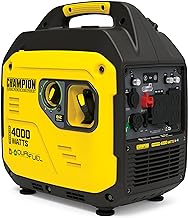
3100 running watts, 3500 starting watts, 100 lbs, 1-gallon tank, 10-hour runtime at quarter load. Runs at 64 dB at quarter load, making it one of the quietest mid-size options. Dual fuel (gasoline or propane) solves apartment storage problems. Handles refrigerators, lights, and charging simultaneously without breaking lease-noise limits. .
2000 running watts, 2500 starting watts, 48 lbs, 0.95-gallon tank, 11-hour runtime at quarter load. The compact choice for tight spaces. Weighs 48 lbs and fits under a bed or in a coat closet. Quieter than larger models at 53 dB at quarter load. Sufficient for refrigerator, lights, and device charging in a typical apartment outage. .
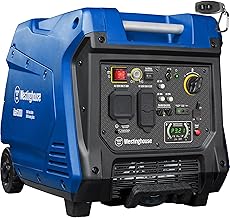
4500 running watts, 5600 starting watts, 100 lbs, 3.4-gallon tank, 9-hour runtime at quarter load. If you want to power more (small AC unit, space heater, or multiple appliances), this is the sweet spot. Runs at 64 dB at half load, dual fuel, and handles starting surges from larger motors. Heavier than smaller units but worth it if you need serious backup power. .
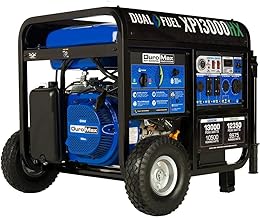
4500 running watts, 5500 starting watts, 100 lbs, 3.7-gallon tank, 8-hour runtime at quarter load. Budget-tier option with dual-fuel capability. Louder than inverter models (around 71 dB at half load) but acceptable if your lease permits and you prioritize cost over noise. Requires careful placement away from windows and neighbors. .
For smaller apartments or renters uncertain about generator approval, review Best Quiet Generators for Apartments & Camping Under $1000 for models specifically designed for noise-sensitive environments.
FAQ
What’s the best generator for a studio apartment? A 2000-watt inverter generator like the WEN 56203i. It’s compact (48 lbs), quiet (53 dB), and sufficient to run a refrigerator, lights, and device charging—the essentials in a studio. It fits in a closet and won’t violate most lease terms.
Can I use a generator on a balcony? Only if your lease permits and you follow safety rules. Always operate a generator at least 20 feet from windows, doors, and air intakes to prevent carbon monoxide from entering your apartment. Never run it indoors, in a garage, basement, or enclosed space. Check your lease first—many buildings forbid balcony operation due to noise and exhaust concerns.
What’s the difference between a portable and inverter generator? A portable generator is any moveable unit; an inverter generator is a type of portable that produces stable, clean power safe for electronics. All inverter generators are portable, but not all portable generators are inverters. For apartments, always choose an inverter.
How often should I run my generator? Monthly, under load, for 15–20 minutes. This prevents fuel degradation, circulates oil, and confirms it starts. Skip this and your generator will fail during an actual outage.
Can my landlord forbid a generator? Yes. Generators are often prohibited in leases due to noise, exhaust, and fire risk. Always check your lease and ask your landlord before buying. A quiet inverter unit under 65 dB is far more likely to be approved than a conventional model.
What if my apartment doesn’t allow generators? Consider a Best Home Battery Backup Systems Under $2000 for 2026 or Best Battery Backup for Power Outages in 2026, which are silent, odorless, and require no fuel or venting. They’re pricier upfront but ideal for lease-restricted apartments.
How long will a generator run during an outage? Depends on load and tank size. A 2000-watt inverter with a 1-gallon tank runs 8–11 hours at quarter load (500 watts). A 4500-watt unit with a 4-gallon tank runs 7–10 hours at quarter load. Refuel as needed; most outages last less than 24 hours.
Choosing Your Generator: Final Checklist
- Calculate your wattage need. List must-run appliances and add their running watts. Aim for 2000–4500 watts for most apartments.
- Prioritize inverter technology. Non-inverter is too loud and risky for apartments.
- Check your lease. Get written permission before buying.
- Measure storage space. Confirm the unit fits where you’ll keep it.
- Choose fuel wisely. Dual-fuel or propane sidesteps gasoline storage headaches.
- Verify noise levels. Aim for under 65 dB at quarter load to stay within most local ordinances.
- Plan for maintenance. Run it monthly and rotate fuel every 3 months.
- Budget for your choice. Expect depending on wattage and features.
A quiet, inverter-equipped portable generator is the gold standard for apartment backup power. It won’t replace the peace of mind of a whole-home system, but it will keep your refrigerator running, your devices charged, and your neighbors happy during an outage. For additional context on apartment power resilience, see Power Outage Preparedness Checklist for Homeowners 2026 and Home Power Outage Kit: Essential Gear & Backup Power Checklist.