Emergency Gear Checklist for Power Outages: What You Actually Need

Photo by Mathurin NAPOLY / matnapo on Unsplash
Emergency Gear Checklist for Power Outage: What You Actually Need
A power outage can last hours or weeks, depending on the cause and your location. Most people scramble when the lights go out—but the ones who stay calm are the ones who prepped. This checklist focuses on what makes a tangible difference: staying warm, seeing clearly, keeping food safe, accessing water, and maintaining power for critical devices. It skips survival-show fantasies like multi-day water purification tablets (boiling works fine) or expensive hand-crank generators (they’re exhausting to use in a real outage).
The difference between “uncomfortable” and “crisis” often comes down to three things: light, heat, and a way to charge your phone or run a fridge. This guide covers those priorities first, then expands into the full picture.
Light: Your First Priority
When the grid fails, darkness arrives instantly. A good flashlight or lantern isn’t optional—it’s the foundation.
Flashlights vs. lanterns: Flashlights are directional and portable; lanterns spread light across a room. You need both. A 1000-lumen flashlight per household member lets you move around safely. Lanterns (500–2000 lumens) are better for stationary use—kitchen, bedroom, or living room.
What to stock: - At least two LED flashlights per person (one for each hand if you’re moving through dark spaces) - One area lantern per room you’ll occupy during an outage - Headlamps for hands-free use while cooking or checking on family - Backup batteries: alkaline (cheap, long shelf life) or rechargeable NiMH (reusable, lower upfront cost per use over time)
Why LED: LED bulbs draw 75% less power than incandescent, run cooler, and last thousands of hours. Any modern flashlight or lantern you buy will be LED. Avoid older halogen designs.
Battery-powered lanterns with USB charging ports (like Energizer LED Lantern with USB Charging) let you trickle-charge phones if you have spare batteries. Crank-powered flashlights and radios work without batteries but are tiring to use in a real outage—don’t rely on them as your primary light source.
Heating and Temperature Control
Hypothermia kills faster than hunger. If you lose power in winter, staying warm becomes urgent.
Non-electric heating options: - Portable propane heater (for garages, basements, or well-ventilated spaces only—never in a sealed bedroom) - Heavy blankets and sleeping bags rated for your climate’s winter low - Thermal layers and insulated clothing - Fireplace or wood stove if you have one (stock firewood in advance)
For apartments or renters: You likely can’t install permanent heating. Layer clothing, use heavy blankets, and stay in one small room to concentrate body heat. If you have outdoor space and landlord approval, a 3000–5000W inverter generator (like the Westinghouse iGen4500) can power a 1500W space heater for 8–12 hours per tank, but requires proper fuel storage and outdoor venting to avoid carbon monoxide buildup indoors. Confirm your lease allows generator use before purchasing.
Cooling in summer: Power outages during heat waves are less common but more dangerous. Stock water, electrolyte drinks, and cooling towels. A battery-powered fan or portable power station (500+ Wh) running a small window AC unit can be lifesaving.
Water and Food Safety
Water: Store 1 gallon per person per day, minimum. A three-day outage needs 3 gallons per person. Rotate stock every six months. If your tap stops flowing, a water purification method (filters, tablets, or a boiling setup) becomes critical.
Food: Per USDA guidelines, your fridge keeps food safe for 4 hours without opening the door. After that, you’re eating what you can salvage or what you stored ahead. Stock: - Non-perishable, no-cook foods (peanut butter, crackers, canned fruit, granola bars) - A manual can opener (electric ones don’t work) - Comfort foods (coffee, tea, chocolate) for morale
Cooking without power: A camp stove or portable grill lets you boil water and heat canned goods. Never use a grill or camp stove indoors—carbon monoxide will kill you. Outdoor use only.
Backup Power: The Game Changer
This is where most checklists fall short. “Have batteries” isn’t enough if you want to keep a fridge, freezer, or medical device running.
Portable power stations (like 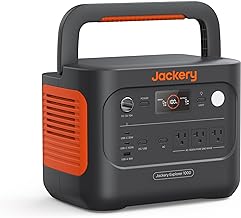
Gas generators (like Westinghouse iGen4500) produce more power for longer but require fuel storage, produce noise and fumes, and need outdoor placement. They’re better for extended outages or powering larger loads (whole-house backup).
Solar panels paired with a power station let you recharge indefinitely—but only during daylight and only if you have clear sky access. Per NREL data, realistic solar output in summer is 2–4 hours of peak charging per day.
Which to choose? If you live in an apartment or rent, a power station is your best bet. If you own a home and can store fuel safely, a generator handles longer outages.
For critical medical equipment (CPAP, oxygen, dialysis), a power station is non-negotiable.
Communication and Information
Radio: A battery or hand-crank radio lets you hear emergency broadcasts and weather updates. Crucial if your phone battery dies.
Phone charging: A portable power bank (10,000–20,000 mAh) charges a phone 2–4 times. Pair it with a solar charger for indefinite use if the outage lasts days.
Landline phone: Cordless phones don’t work without power. A basic corded phone (plugged directly into the wall jack) will work during an outage because the phone line carries its own power. Keep one in your home.
First Aid and Medications
Stock: - Any prescription medications you take (30-day supply minimum; ask your doctor for an extra prescription to store at home) - Over-the-counter pain relievers, antacids, antihistamines, and anti-diarrheal meds - Bandages, antibiotic ointment, and pain relief for minor injuries - Any inhalers, EpiPens, or emergency medications your family uses
Medications degrade over time, especially in heat. Store them in a cool, dry place and rotate stock annually.
Sanitation and Hygiene
Toilet: If water stops flowing, you can’t flush. A 5-gallon bucket with a snap-on toilet seat (or heavy-duty bags) becomes your backup bathroom. Stock biodegradable bags and lime or cat litter for odor control.
Hygiene: Hand sanitizer, wet wipes, and dry shampoo let you stay clean without running water. Stock more than you think you’ll need—morale matters.
Trash: Garbage trucks stop running during extended outages. Stock large trash bags and plan for waste management.
Tools and Supplies
- Crowbar or pry bar: Use it to open stuck doors or windows if you need ventilation during a heat event, or to access storage areas if normal entry points jam.
- Multi-tool or knife: Cuts rope, opens packages, and handles small repairs without electricity.
- Duct tape and rope: Secures loose items, patches holes temporarily, or creates makeshift repairs.
- Work gloves: Protects hands when handling debris, moving heavy items, or working with rough materials.
- Matches or lighter (waterproof): Ignites camp stoves, candles, or emergency fires without relying on batteries.
- Whistle: Signals for help if you’re trapped or need to alert neighbors during an emergency.
Organizing Your Checklist
Create a physical checklist and post it on your fridge or pantry. Update it twice a year (spring and fall, when you change your clocks). Assign someone to check expiration dates quarterly.
Starter kit for 3-day outage (family of four): - 12 gallons of water - 2 area lanterns + 4 flashlights + 2 headlamps - 40 AA batteries and 20 AAA batteries (AA powers most flashlights and lanterns; AAA powers smaller devices like headlamps and radios) - 3-day supply of non-perishable food - Portable power station (500+ Wh) or gas generator - First aid kit and medications - Portable radio - 2 power banks (10,000 mAh each) - Propane heater (if winter climate) or cooling supplies (if summer climate) - Sanitation supplies (bucket, bags, litter)
For extended outages (1–2 weeks): Add a solar panel or second power station, extra fuel (if using a generator), more food, and a water purification system.
FAQ
Can I run a generator in an apartment? Most leases prohibit generators due to noise and fumes. Check your lease and ask your landlord. If allowed, you must place it outdoors at least 20 feet from windows and doors to prevent carbon monoxide seepage. A portable power station is safer for apartments—it’s silent, produces no emissions, and requires no fuel storage.
What’s the lifespan of stored water? Tap water in sealed food-grade containers lasts indefinitely if stored in a cool, dark place. Commercial bottled water typically has a 1–2 year shelf life printed on the label, though it remains safe longer. Rotate your supply every 6 months as a precaution. If you’re unsure about stored water’s safety, boil it for 1 minute before drinking.
How do I know if my fridge food is safe after a long outage? Per USDA guidelines, a full fridge stays safe for 4 hours without opening. A freezer stays safe for 48 hours if unopened. After those windows, discard perishables (meat, dairy, cooked foods). Non-perishables (condiments, butter, hard cheese) last longer. When in doubt, throw it out—food poisoning is worse than losing groceries.
Should I keep my fridge running during an outage? Yes, if you have backup power. Food safety depends on temperature. A full fridge stays safe for 4 hours without opening; a freezer stays safe for 48 hours. After that, bacteria multiply. A power station or generator keeps food safe indefinitely.
How often should I rotate my emergency supplies? Check water and food every 6 months. Rotate batteries and medications annually. Test your generator or power station quarterly to ensure it starts and holds charge.
Final Checklist
Power outages are inevitable. The difference between panic and calm is preparation. Start with light, heat, and water—those three solve 80% of the problem. Add backup power for your most critical devices, and you’re ahead of 90% of households.
Don’t buy everything at once. Build your kit incrementally. Start with a flashlight and batteries this week, add water and food next week, and invest in backup power when you’re ready. A half-built kit beats no kit.
Keep your checklist visible and review it twice a year. When the power actually goes out, you’ll be grateful you did.


