As an affiliate, we may earn from qualifying purchases. This doesn't affect which products we recommend.
Lightweight Emergency Gear for Van Life & Camping
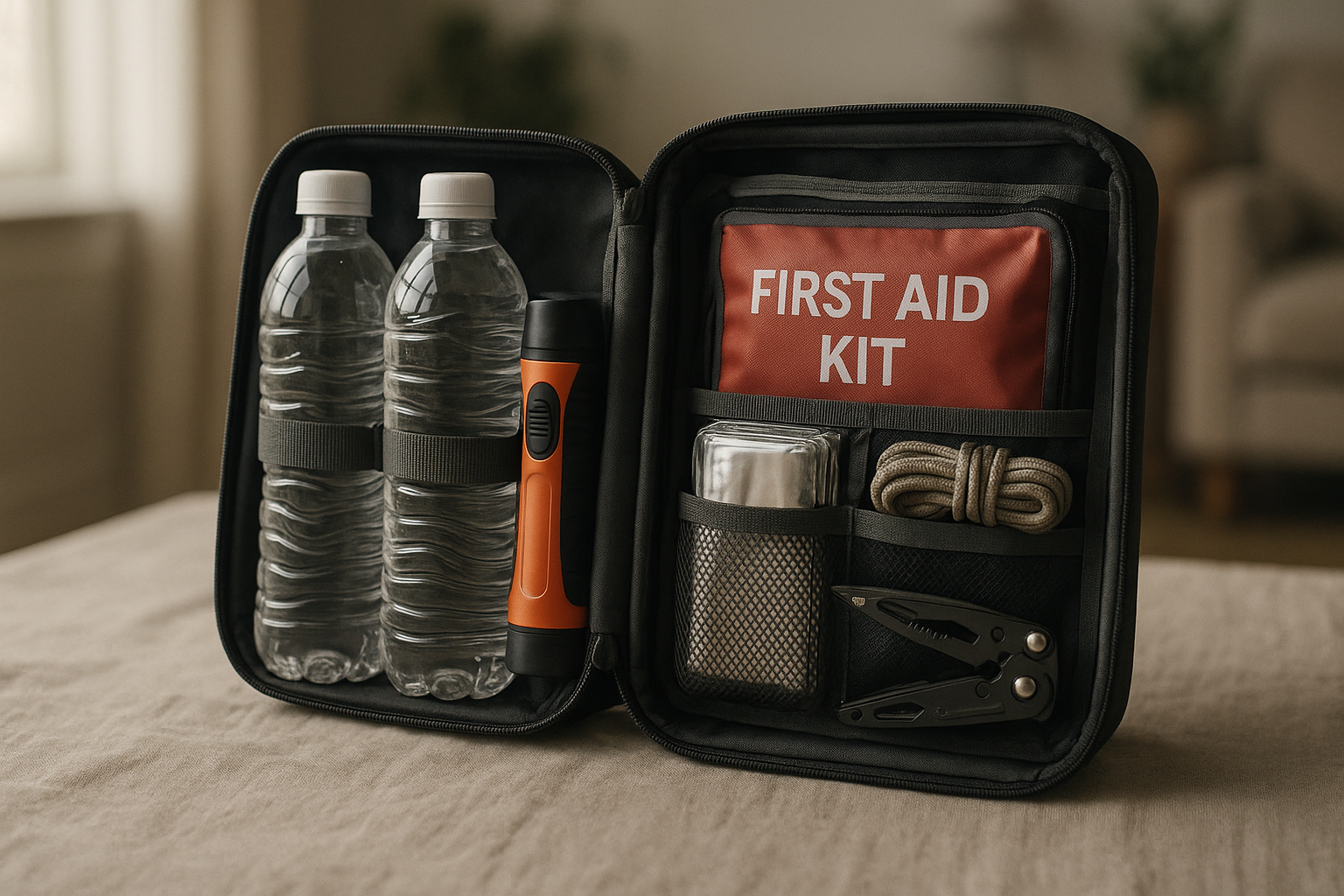
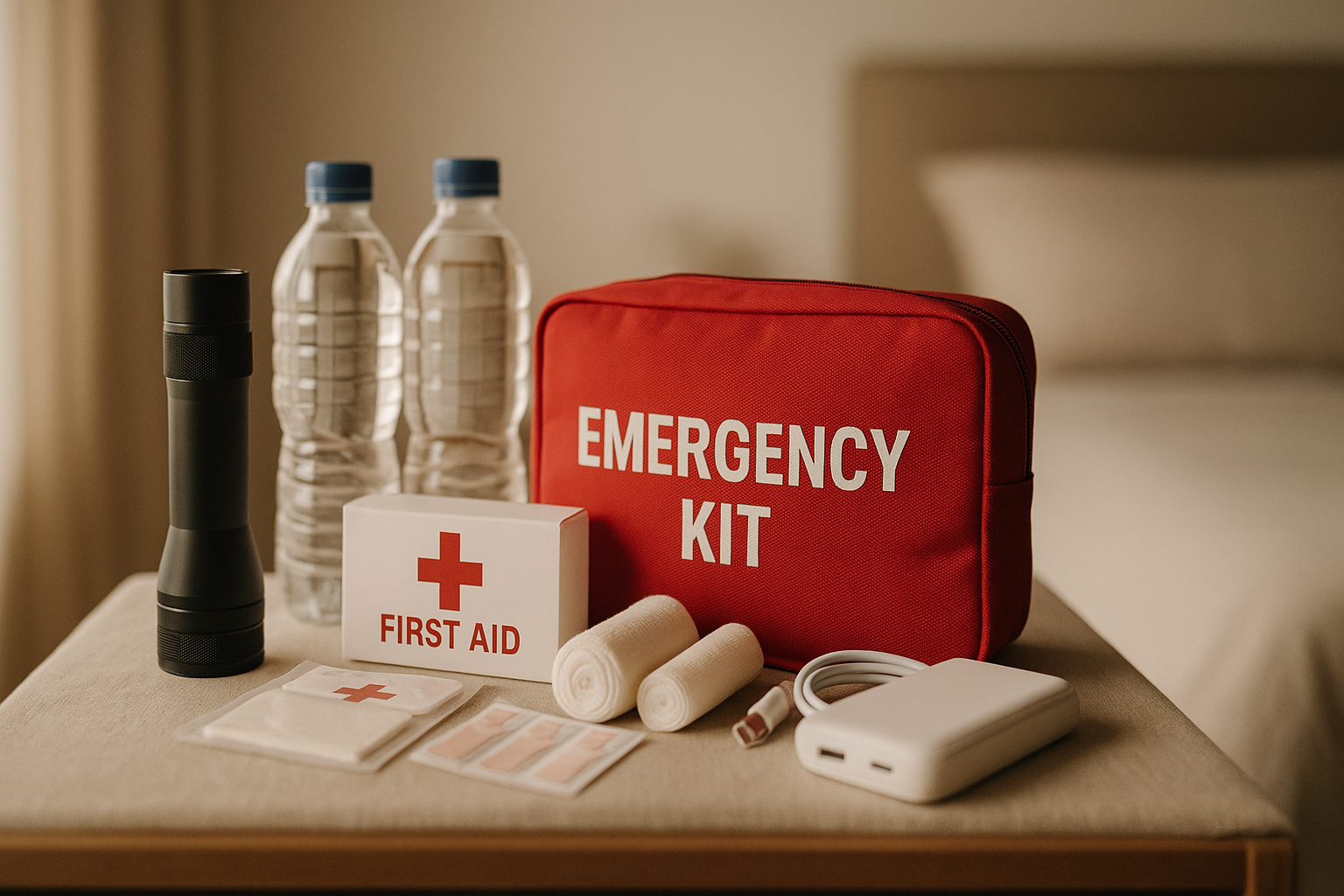
A van breakdown 40 miles from cell service requires a different emergency kit than a stationary home. You can’t rely on a basement closet or a garage shelf—every item competes for finite space. This guide covers the essentials: compact power solutions, first aid, water and food security, navigation, and shelter that actually fit into a van’s nooks without wasting cubic footage.
Why Lightweight Matters in a Van
Space is your most precious resource. A van (whether a sprinter, promaster, or DIY conversion) typically offers 50–150 cubic feet of livable area. Every kilogram of emergency gear you stow is a kilogram not available for food, water, fuel, or comfort items you’ll actually use daily.
The goal isn’t to carry everything—it’s to carry the right things. A lightweight emergency kit prioritizes:
Fast deployment: grab-and-go items you can access in seconds
Dual-purpose gear: tools that solve multiple problems (a headlamp that charges via USB, a blanket that reflects heat)
Redundancy where it counts: two ways to purify water, two fire-starting methods, two communication options if possible
Minimal bulk: titanium over steel, synthetic over down, compressed over loose
Van dwellers often travel into areas with spotty cell coverage, rough roads, and limited services. Unlike apartment dwellers who can call 911 immediately, you may be 20 miles from the nearest help. Lightweight emergency gear bridges that gap without requiring a trailer.
Compact Power Solutions
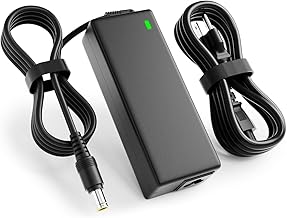
A portable power station is the backbone of modern van emergency prep. You need enough capacity to run a phone charger, a small fan or heater, and a light for several days—but not so much that it eats half your storage.
Capacity to target: 200–500 watt-hours (Wh) for van life. This range covers:
- Phone charging: 10–15 full cycles (per a typical 3,000mAh smartphone at 80% conversion efficiency)
- Laptop top-ups: 3–5 charges
- LED lighting: 30–50 hours
- Small 12V fridge: 8–12 hours
Charging methods matter. A portable power station is only useful if you can recharge it. For van life, prioritize:
Solar input (most van-friendly)—a small 100W portable panel can trickle-charge a 240Wh unit in 8–10 hours of good sun
12V car charger—recharge while driving
AC mains (campground hookups)—backup if you’re stationary for a few days
First Aid & Medical Essentials
A full household first aid kit is overkill for a van. Instead, build a travel-focused kit that addresses the emergencies you’re most likely to face: cuts, sprains, minor burns, headaches, and stomach upset. Budget for a compact travel kit.
Core items (by weight and frequency of use):
Blister and wound care: moleskin, sterile gauze pads, antibiotic ointment, athletic tape. Moleskin prevents blisters better than treating them after the fact—van life means walking on rough terrain and irregular surfaces, so prevention saves pain and downtime .
Pain and fever: ibuprofen, acetaminophen, aspirin (for chest pain recognition). These handle the most common van-life complaints: headaches from sun exposure, muscle soreness from setup work, and fever from minor illness .
GI distress: loperamide (Imodium), antacid, electrolyte powder. Van travel exposes you to unfamiliar water and food; GI issues can strand you for hours .
Topical: hydrocortisone cream (rashes, itch), burn gel, insect repellent. Van camping often means exposure to plants, insects, and sun; these address the most common skin emergencies .
Bandages: elastic wrap, triangular bandage (doubles as sling or tourniquet), tweezers. Elastic wraps stabilize sprains from uneven ground; triangular bandages are multipurpose .
Medications you take daily: always carry a 7-day backup supply separate from your main stash.
Compact format: vacuum-seal your gauze and bandages into a small ziplock, decant ointments into 0.5 oz containers, and store in a small waterproof pouch. This approach cuts bulk by 60% vs. a traditional plastic first aid box.
Water Security: Purification & Storage
Water is non-negotiable. A van breakdown or unexpected detour can strand you in areas with no services. You need two things: a way to carry water and a way to purify untreated sources. Budget for both.
Storage: A 5-liter collapsible water carrier (weighs 100 g empty,) fits in any gap. Food-grade plastics withstand freeze-thaw cycles and UV exposure for 2–3 years. Rotate your supply every 6 months if stationary; if you’re mobile, you’ll use and refill it naturally.
Purification methods (pick two):
LifeStraw or similar squeeze filter : weighs 2–3 oz, removes 99.99% of bacteria and 99.9% of protozoa (not viruses). Ideal for streams and lakes.
Boiling or chemical tablets : iodine or chlorine dioxide tablets (Aquamira) weigh less than an ounce and work on any water source, including virus-contaminated water. Takes 30 minutes but requires no equipment.
UV pen (backup) : SteriPen and similar devices kill bacteria and viruses via ultraviolet light. Require battery power but leave no chemical taste.
Most van dwellers carry a LifeStraw plus a small bottle of chlorine dioxide for redundancy.
Navigation & Communication
Cell coverage is unreliable in van country. A navigation backup and a way to call for help when your phone is dead are essential. Budget for this category if adding a satellite messenger.
Navigation:
- Offline maps: download your route area using Google Maps, AllTrails, or Gaia GPS before you leave. These apps cache maps locally and work without signal.
- Paper map + compass : a waterproof 1:100,000 topographic map of your region and a basic orienteering compass weigh almost nothing and serve as a last resort.
Communication:
- Satellite messenger ( + ~/month): Garmin inReach Mini 2 sends text and SOS signals via satellite when cell is dead. Battery life is 5–10 days on a single charge. Per owner reports, this device has saved lives in remote areas where cell coverage doesn’t exist.
- Personal locator beacon (PLB) : one-time SOS trigger; heavier and more expensive, but no subscription. Best for truly remote expeditions.
- CB radio or ham radio : if you’re in a community van-life area, local channels can relay help. Requires licensing (ham) but no subscription.
For most van dwellers, offline maps + a Garmin inReach Mini 2 provide solid redundancy without breaking weight or budget.
Emergency Shelter & Insulation
A breakdown in winter or an unexpected night outdoors requires shelter fast. Lightweight emergency shelters are designed to reflect body heat and block wind, not provide comfort. Budget for shelter and insulation combined.
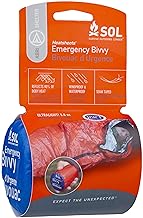
Lightweight emergency blanket : mylar or reflective material, weighs 2–3 oz. Less durable than a bivy but cheaper.
Tarp or lightweight tarp tent : 1–2 kg, provides wind and rain protection. Requires setup time but offers better shelter if you’re stranded for hours.
Most van dwellers keep a bivy and a lightweight 20°F sleeping bag as a permanent fixture. The sleeping bag does double duty: comfort on cold nights and emergency insulation if things go wrong.
Fire & Lighting
Fire serves two purposes: warmth and morale. A way to start fire and light a space are non-negotiable. Budget for fire and lighting combined.
Fire starting (carry at least two methods):
- Waterproof matches or lighter : cheapest, most reliable in wet conditions
- Ferro rod : ferrocerium rod works when wet, lasts for hundreds of strikes, weighs 1 oz. Quality rods (like Light My Fire) outperform cheap alternatives by a wide margin.
- Magnesium fire starter : integrated into many multi-tools; works in extreme cold when lighters fail
Lighting:
- LED headlamp (rechargeable USB) : hands-free, runs 20–50 hours on a single charge, weighs 100–150 g.
- Backup flashlight or lantern : a small 50-lumen LED flashlight weighs 50 g and lasts 100+ hours on AA batteries.
Keep spare AA and AAA batteries in your power kit. Alkaline batteries last 5–10 years in dry storage.
Tools & Multi-Tools
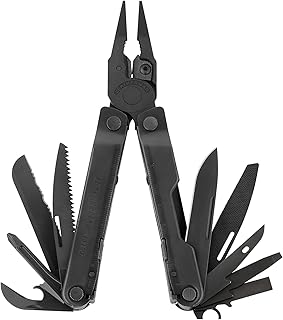
A single multi-tool consolidates dozens of functions into one pocket item. LeathermanCheck price on Amazon → is specifically designed for outdoor emergencies—it includes a fire starter, a blade, pliers, and a whistle. It weighs 230 g and handles 95% of van-life repairs and emergencies, whereas general-purpose multi-tools like the Victorinox SwissTool or Gerber Suspension prioritize pliers and screwdrivers over survival features.
Essentials if you don’t carry a full multi-tool:
- Knife (sharp, fixed-blade or folding)
- Pliers or multi-tool
- Screwdriver (multi-bit or dedicated)
- Duct tape (wrap around a pencil to save space)
- Paracord (50 ft, weighs 100 g, handles a thousand uses)
Food & Caloric Security
A breakdown or unexpected delay means you might not reach a store for 24–48 hours. Lightweight, shelf-stable foods provide both morale and calories. Budget for a 2,000–3,000 calorie emergency food stash.
Lightweight options:
- Energy bars or granola ( each): 200–300 calories, weigh 40–50 g, last years
- Instant oatmeal packets ( each): 150 calories, just add hot water
- Nuts and dried fruit ( per lb): high calorie density, no prep
- Peanut butter packets ( each): 90 calories, 8 g protein
- Electrolyte powder : mixes with water, replaces salt and minerals if you’re sweating or sick
Rotate your emergency food bag every 6 months as you eat from it.
Seasonal Adjustments
Summer emergencies: heat exhaustion, dehydration, sun exposure
- Add: extra water capacity, electrolyte powder, sunscreen, wide-brimmed hat, cooling towel
Winter emergencies: hypothermia, frostbite, battery drain
- Add: insulated sleeping bag rated for your region’s low temps, hand/toe warmers (chemical), extra blankets, battery bank for charging devices in cold
Can I use a car emergency kit instead of a van-specific one?
Partially. A car kit assumes you’re within a few miles of help and cell coverage. Van life often means remote travel; you need more water (5+ liters vs. 1–2), more food (3+ days vs. 1), and a power station. Car kits focus on roadside repairs; van kits focus on survival.
Do I need a satellite messenger if I have a phone?
If you travel in dead zones regularly, yes. Phone batteries die, signal drops, and emergencies don’t wait for coverage. A Garmin inReach Mini 2 adds upfront and ~/month, but it’s the difference between a breakdown and a rescue.
What’s the shelf life of emergency food and water?
Water: 6 months–2 years in sealed containers (rotate every 6 months if stored in heat). Emergency food bars: 5+ years. Electrolyte powder and freeze-dried meals: 10+ years. Rotate your kit annually to stay familiar with the contents and replace anything expired.
Should I keep my emergency kit separate from my camping supplies?
Yes. Your emergency kit is for emergencies—vehicle failure, injury, getting lost, being stranded. Keep it sealed and untouched except for annual checks. Your camping supplies (tent, cooking gear, extra clothes) are separate and get used regularly.
What’s the total weight and cost of a complete lightweight emergency kit?
Target 5–8 kg (11–18 lbs) total, including the power station. Total cost: for a full kit (power station first aid water navigation shelter fire/lighting tools food seasonal items ). This fits under a seat or in a dedicated cabinet without compromising van livability.
Summary
Lightweight emergency gear for van life isn’t about carrying everything—it’s about carrying the right things in the smallest space. A 240Wh portable power station, a compact first aid kit, water purification, navigation backup, emergency shelter, fire-starting tools, and a week’s worth of food weigh under 8 kg and fit in a cabinet.
Test your kit before you need it. On a day trip, leave your phone at home and navigate using offline maps and a compass. Use your portable power station to charge devices. Practice starting a fire with your ferro rod. Drink from a stream using your LifeStraw. Familiarity breeds confidence, and confidence keeps you calm when things actually go wrong.