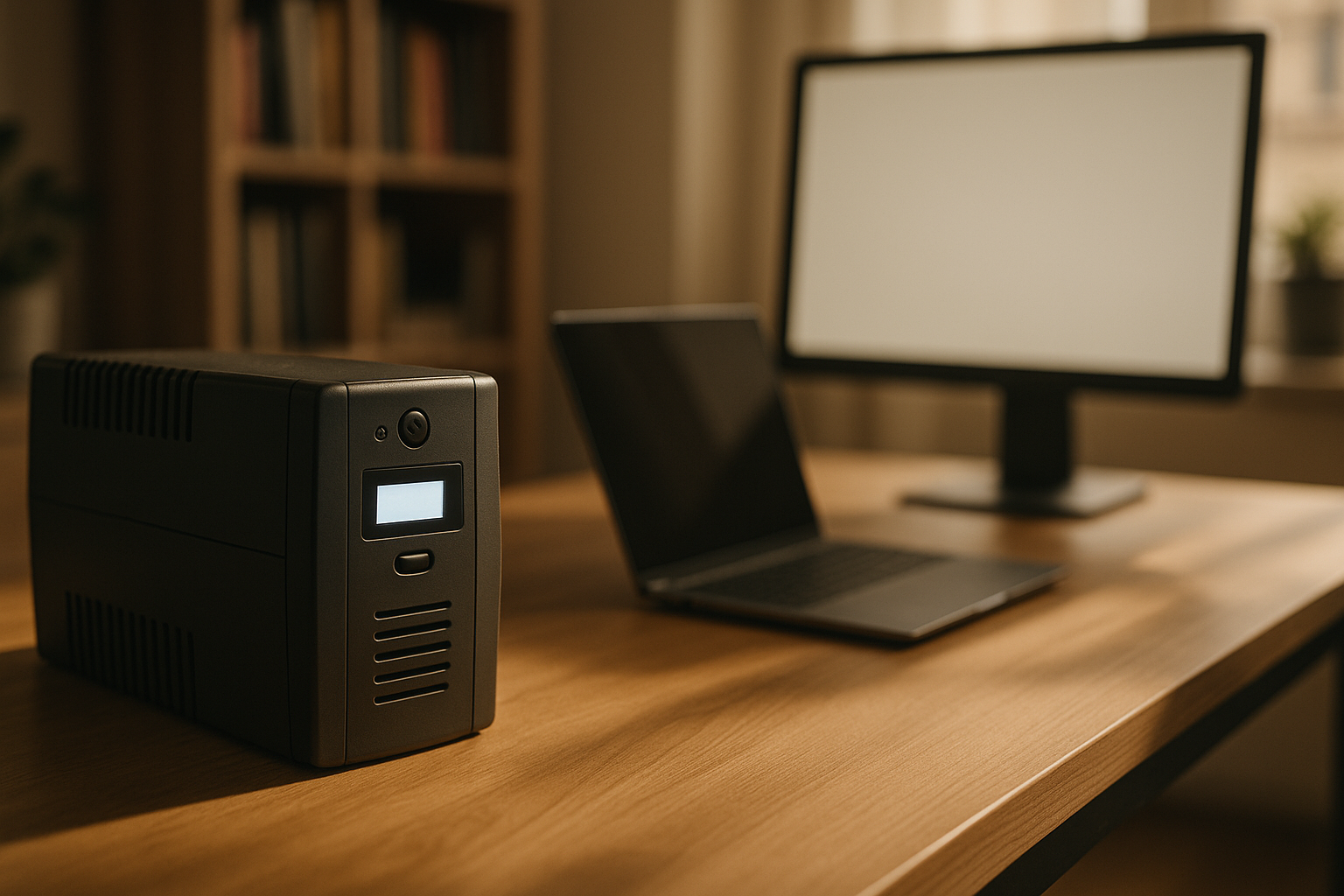
Backup Power for Medical Equipment: UPS & Generator Guide
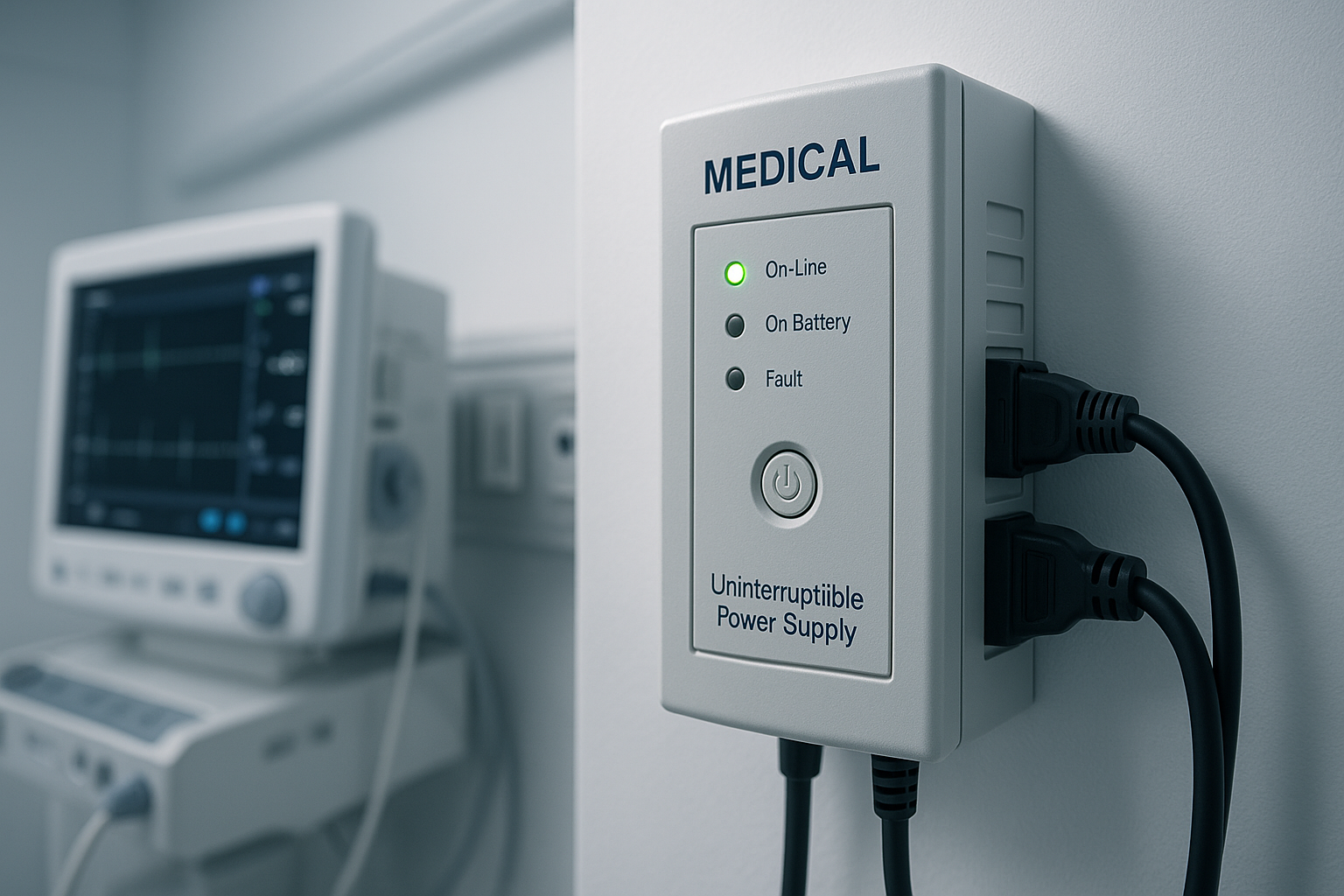
Backup Power for Medical Equipment: UPS & Generator Requirements
Home medical equipment—CPAP machines, oxygen concentrators, dialysis pumps, ventilators, and insulin refrigerators—cannot tolerate power loss. Unlike a laptop or gaming console, a brief outage can mean missed therapy, equipment damage, or a medical emergency. This guide walks through the specific power requirements, sizing calculations, and equipment choices that keep life-sustaining devices running when the grid fails.
Why Medical Equipment Needs Dedicated Backup Power
Medical devices have three distinct power vulnerabilities:
-
No tolerance for interruption: Most medical equipment lacks internal batteries or has only minutes of backup. A CPAP machine, for example, stops delivering pressurized air the instant power cuts. For sleep apnea patients, even brief interruptions disrupt therapy and can trigger dangerous breathing events.
-
Voltage sensitivity: Medical equipment often includes microprocessors, wireless monitors, or pump controllers that shut down or malfunction if input voltage sags below 90V or spikes above 130V. A standard home outlet during a brownout may sit at 105V—low enough to trip a device’s safety cutoff. A UPS with voltage regulation prevents this.
-
Runtime demands: Unlike consumer devices (which might need 2–4 hours of backup), some home medical therapies run 8–12 hours nightly (CPAP) or continuously (oxygen). A standard office UPS with 15–30 minutes of runtime is useless; you need either a larger UPS, a generator, or both.
Understanding UPS vs. Generator for Medical Use
Uninterruptible Power Supplies (UPS)
A UPS bridges the gap between power loss and generator startup. It: - Switches to battery in milliseconds (preventing voltage sag or dropout) - Provides clean, regulated power (no voltage fluctuations) - Runs silently and indoors (no fuel, no exhaust) - Requires no warm-up time
Drawback: Battery capacity is finite. A medical-grade UPS for a CPAP machine typically runs 4–8 hours; for an oxygen concentrator, 2–4 hours depending on model and battery size.
Portable Generators
A generator: - Provides unlimited runtime (as long as fuel lasts) - Supplies high wattage for simultaneous devices - Costs less per watt-hour than a large UPS - Requires fuel storage, outdoor placement (due to carbon monoxide), and 5–15 seconds startup time
Drawback: The startup delay and voltage variability (especially on older or cheaper models) can damage sensitive electronics if not paired with a UPS or voltage regulator.
The Hybrid Approach
Most medical households use both: a UPS for immediate backup (bridging the seconds to minutes during power loss) and a generator for extended outages. The UPS buys time; the generator provides endurance.
Calculating Power Requirements for Common Medical Devices
Power needs vary dramatically by device type. Here are typical specifications:
| Device | Typical Wattage | Runtime on 1500W UPS | Notes |
|---|---|---|---|
| CPAP machine | 30–60W | 20–40 hours | Per ResMed and Philips manufacturer specs; lowest power draw |
| Oxygen concentrator (5L/min) | 300–600W | 2–4 hours | Per Inogen and Respironics specs; high draw |
| Dialysis pump | 100–150W | 10–15 hours | Per Fresenius and DaVita equipment manuals |
| Ventilator | 200–400W | 4–8 hours | Varies by mode; backup battery often built-in |
| Insulin refrigerator | 50–100W | 15–30 hours | Intermittent compressor; low average draw |
| Suction machine | 50–100W | 15–30 hours | Intermittent use; runs on demand |
Key insight: A single 1500W UPS cannot simultaneously run a CPAP (60W) and an oxygen concentrator (500W) for more than 2–3 hours. If you have multiple high-draw devices, you need either a larger UPS (3000W+) or a generator.
To calculate your own runtime: 1. Check the device’s nameplate wattage (usually on the back or in the manual). 2. Add 20% for surge (many devices draw extra power at startup). 3. Multiply by the number of hours you need to run. 4. Choose a UPS or generator with at least that capacity.
Example: CPAP (60W) running 8 hours = 480Wh minimum. A 1500W UPS with a 1000Wh battery easily covers this.
Choosing the Right UPS for Medical Equipment
Not all UPS units are suitable for medical devices. Look for these features:
1. True Sine Wave Output
Medical devices require a smooth, sine-wave power signal—not a stepped “square wave.” Cheap UPS units output square waves to save cost; these can damage equipment or trigger false alarms. Per IEC 60601 medical device standard, medical-grade UPS units must output true sine wave.
2. AVR (Automatic Voltage Regulation)
AVR corrects voltage sag and surge without switching to battery. This extends battery life and prevents nuisance shutdowns. Medical devices often specify ±10% voltage tolerance; AVR keeps you within that window.
3. Sufficient Battery Capacity (Watt-Hours)
UPS specs list both wattage (instantaneous capacity) and watt-hours (total energy). A 1500W UPS might have a 600Wh, 1000Wh, or 1500Wh battery—dramatically different runtimes. For medical use, prioritize watt-hours.
4. Audible and Visual Alarms
Medical users need clear notification of low battery or fault conditions. Ensure the UPS has both beeping and LED indicators.
5. Medical Device Certification
Some UPS manufacturers (e.g., APC, Eaton, CyberPower) produce UPS units specifically rated for medical equipment. These are tested to IEC 60601 (medical device standards) and guarantee compatibility. Check the product manual for “medical-grade” or “healthcare” labeling.
Sizing a Generator for Medical Backup
Generators are sized by running wattage (continuous load) and starting wattage (peak surge). Medical devices with motors (oxygen concentrators, suction machines, compressors) draw 2–3× their running wattage at startup.
Minimum Generator Size
Running total + 50% headroom for surges.
Example: CPAP (60W) + oxygen concentrator (500W) + insulin fridge (80W) = 640W running. Add 50% = 960W minimum generator. In practice, choose at least a 2000W unit for safety margin and future devices.
Fuel Type Considerations
Portable generators come in three fuel types:
- Gasoline: Cheapest upfront; fuel degrades in 3–6 months (critical for emergency backup—stale fuel won’t start).
- Propane: Stores indefinitely; cleaner burn; slightly lower power output per unit.
- Dual-fuel: Flexibility; more expensive; allows switching between fuels.
For medical backup, propane is preferred because you can store it long-term without degradation. A 20 lb propane tank runs a 3000W generator for 8–12 hours depending on load.
Noise and Placement
Generators produce 70–90 dB (loud enough to disrupt sleep or conversation). Place it outside, at least 20 feet from windows and doors, and point the exhaust away from the home. Never run a generator indoors or in a garage—carbon monoxide is lethal.
If noise is a concern, consider an inverter generator (quieter, 60–70 dB) or pair your UPS with a smaller, quieter generator and accept a longer startup time.
Connecting Medical Equipment to Backup Power
Direct UPS Connection
Plug medical devices directly into the UPS. Avoid power strips or extension cords, which add resistance and can trigger voltage-sensing shutdowns.
UPS + Generator Setup
- Plug the UPS into the generator outlet.
- Plug medical devices into the UPS.
- The UPS switches to battery the instant grid power fails, buying 2–8 hours.
- Start the generator and plug it in; the UPS recharges while powering devices.
- Once the UPS is fully charged, you can run indefinitely (as long as fuel lasts).
Hardwired Home Backup
If you have a whole-home generator (5000W+, permanently installed), medical equipment can be on a dedicated circuit. A transfer switch automatically routes power from grid → generator when outage occurs. This is the gold standard but installed.
Maintenance and Testing
Backup power systems fail when needed most if neglected:
- Test monthly: Run the UPS on battery for 30 seconds; listen for alarms and verify devices stay powered.
- Replace UPS batteries every 3–5 years: Battery capacity degrades; older batteries may not provide rated runtime.
- Drain and refill generator fuel seasonally: Stale fuel clogs carburetors. Use fuel stabilizer or run the generator monthly to keep fuel fresh.
- Check propane levels quarterly: Don’t wait until an outage to discover an empty tank.
- Keep medical device manuals nearby: Know the exact power specs and any special requirements (e.g., some CPAP machines need a humidifier, which adds 100W).
Real-World Scenarios
Scenario 1: CPAP User, 8-Hour Nightly Use
Setup: APC Back-UPS Pro 1500VA (model BR1500MS2, ~ at Amazon) with 1000Wh battery + Champion 3100W Dual Fuel Inverter Generator (~). Total cost: ~. Why: The UPS runs the CPAP for the full 8 hours without battery drain (60W draw = ~16 hours runtime on 1000Wh). If the outage extends into the next night, the generator bridges the gap.
Scenario 2: Oxygen Concentrator, Continuous Use
Setup: Eaton 9PX 5000i UPS (model 9PX5KiBP, ~) with 2000Wh battery + Westinghouse iGen5500 Dual Fuel Generator (~). Total cost: ~. Why: A 500W concentrator drains a 1000Wh UPS in 2 hours. The larger UPS buys 4 hours; the generator handles longer outages. Dual-fuel allows propane (long-term storage) or gasoline (emergency refill).
Scenario 3: Multiple Devices (CPAP + Oxygen + Dialysis Pump)
Setup: Eaton 9PX 5000i UPS (~) + Generac iQ7000 Dual Fuel Inverter Generator (~). Total cost: ~. Why: Combined load is ~650W. The UPS runs 4–5 hours; the generator provides extended runtime. The larger UPS capacity ensures simultaneous startup of all devices without voltage sag.
FAQ
Q: My CPAP has a 2-hour built-in battery; do I still need a UPS? A: Yes. Built-in batteries buy time to start a generator or seek help, but 2 hours is often insufficient for a full night’s sleep. A UPS extends that window to 8+ hours, reducing dependence on a generator for routine outages.
Q: Can I use a car inverter instead of a UPS? A: Not for continuous medical use. Car inverters (typically 150–2000W) are designed for short-term, low-power needs. They lack the voltage regulation and surge protection of a medical-grade UPS, and they require the car engine to run continuously (fuel waste, noise, exhaust).
Q: How do I know if my UPS battery is failing? A: Test it monthly: unplug the UPS from wall power and verify devices stay powered for at least 50% of the rated runtime. If runtime drops below 50%, replace the battery. Most manufacturers offer battery replacement kits for.
Q: Can I run a generator indoors or in a garage? A: Never. Generators produce carbon monoxide, a colorless, odorless gas that kills within minutes. Always operate generators outdoors, at least 20 feet from windows, doors, and air intakes.
Q: What’s the difference between a UPS and a power bank? A: A UPS is designed for continuous, high-power loads and switches to battery in milliseconds. A power bank is portable and suited for low-power devices (phones, tablets). Power banks cannot sustain medical equipment loads and lack true sine wave output.
Top Picks by Use Case
Conclusion
Medical equipment demands backup power that’s both fast (UPS switching in milliseconds) and enduring (generator runtime of hours or days). A hybrid approach—pairing a medical-grade UPS with a properly sized generator—ensures that life-sustaining therapies continue uninterrupted, whether the outage lasts 30 seconds or 30 hours.
Start by calculating your device’s wattage and required runtime, choose a true sine wave UPS with sufficient battery capacity, add a generator for extended outages, and test the system monthly. Maintenance matters: stale fuel and degraded batteries are the leading causes of backup power failure when it’s needed most.
Your medical equipment’s reliability depends on preparation today. Don’t wait for an outage to discover your backup power is insufficient.