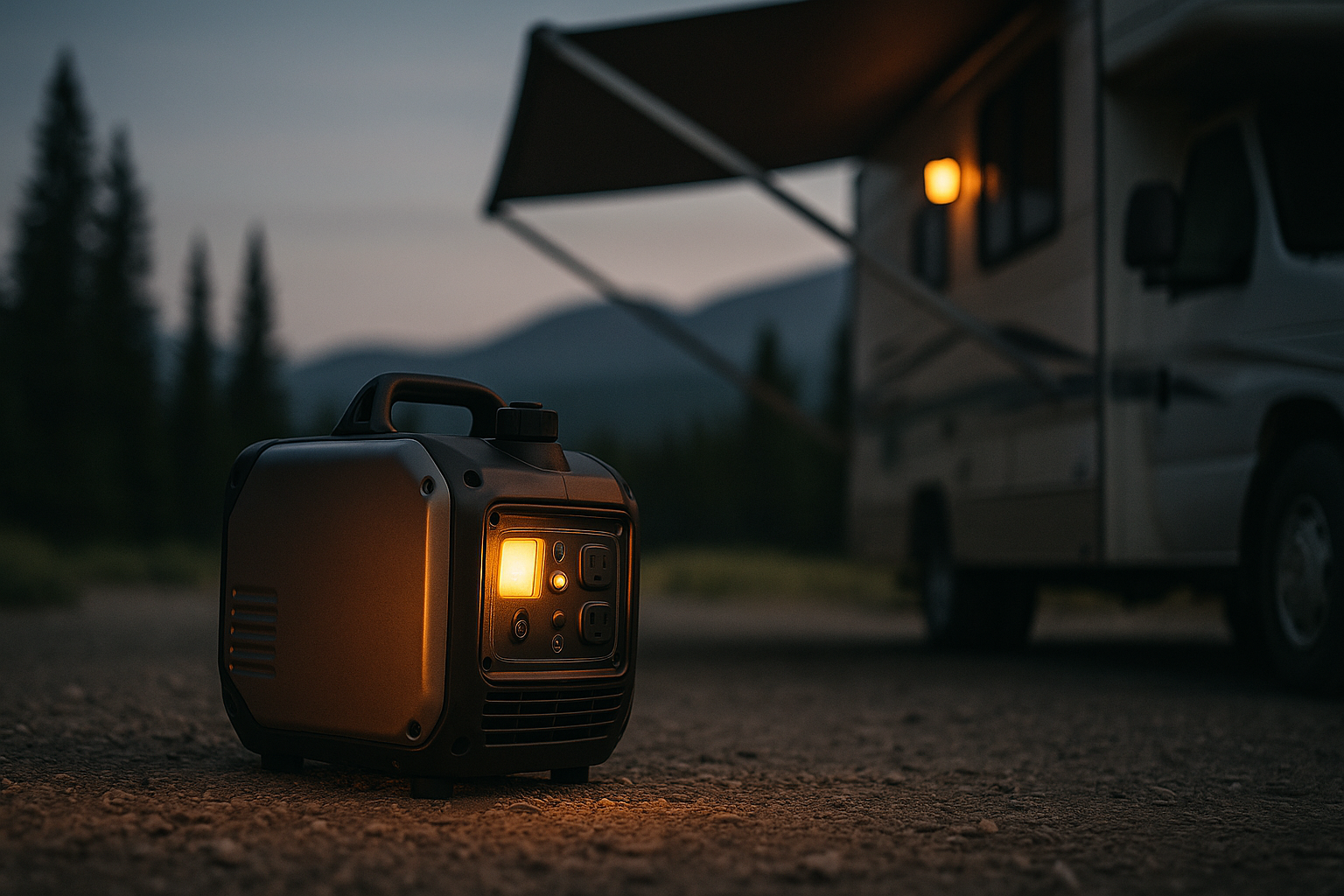
Best Budget Generator for Home Backup Under $1000 in 2026

Photo by Dima Solomin on Unsplash
Best Budget Generator for Home Backup Under $1000 in 2026
During a 2024 ice storm in the Midwest, homeowners with 3000–4000 W generators kept refrigerators and furnaces running for 18+ hours, avoiding spoiled food and frozen pipes while neighbors without backup power faced costly damage. A budget generator can deliver that protection without draining savings. The sweet spot for home backup isn’t the cheapest unit on the shelf—it’s the one that matches your actual power needs, fuel strategy, and noise tolerance. This guide walks through what separates a reliable workhorse from a loud, fuel-hungry regret.
Why Budget Generators Matter for Home Backup
Most home backup scenarios don’t require a whole-house solution. Per FEMA outage data, a typical outage lasting 4–12 hours can be managed by running a few critical loads: refrigerator, sump pump, furnace blower, Wi-Fi router, and phone chargers. A budget-tier generator handles this load profile cleanly, whereas premium standby units sit idle 99% of the time.
Budget generators also force you to plan intentionally. You’ll learn which appliances actually matter during an outage, how to rotate loads, and when to switch the unit off to save fuel. That discipline often prevents costly mistakes like overloading a generator or running it indoors (a carbon-monoxide hazard).
The trade-off: budget units are portable, not automatic. You’ll start them manually, run extension cords, and manage fuel yourself. For homeowners willing to do that work, the payoff is substantial—reliable backup power for a fraction of permanent install costs.
Inverter vs. Conventional: Which Type Works for Home Backup?
Inverter generators produce cleaner, regulated power by converting DC to AC electronically. They’re lighter, quieter, and safe for sensitive electronics like laptops, medical devices, and modern refrigerator compressors. Fuel efficiency is noticeably better because the engine throttles down when demand drops. The downside: they cost more per watt and have lower peak wattage for the price.
Conventional (open-frame) generators run at constant RPM and deliver raw AC power. They’re heavier, louder, and less efficient, but they’re cheaper upfront and can handle larger instantaneous loads (like motor startup surges). They’re also more forgiving of rough handling and dust.
For home backup, an inverter is the smarter choice if you’re running a refrigerator, furnace, or electronics. If you’re only powering tools or a sump pump, a conventional unit saves money. Most owners in budget-conscious forums report that the fuel savings of an inverter pay back the upfront cost difference within 2–3 seasons. Example: a inverter premium saves per year in fuel at 40 hours per year runtime, breaking even in 2.7 years.
Key Specs: Wattage, Runtime, and Fuel Type
Wattage Matters—But Not the Way Most Assume
Don’t buy the highest wattage you can find. Instead, add up the running watts of the appliances you’ll actually use simultaneously:
- Refrigerator: 600–800 W (starting surge ~2000 W, per manufacturer nameplate specs)
- Sump pump: 800–1200 W (per manufacturer nameplate specs)
- Furnace blower: 600–1000 W
- Microwave: 1000–1500 W
- Space heater: 750–1500 W (avoid this—huge power hog)
- LED lights: 10–20 W each
- Wi-Fi router: 10–20 W
- Phone charger: 10–30 W
A realistic home-backup scenario runs a fridge, sump pump, and furnace blower together: roughly 2000–2500 running watts. A 3000–4000 W generator gives you headroom for startup surges without oversizing. Anything under 3000 W struggles with refrigerator compressor starts; anything over 6000 W adds weight and cost for little practical gain in home backup.
Runtime: The Hidden Cost
A 5-gallon fuel tank on a 4000 W conventional gasoline generator lasts 8–10 hours at half load, per EPA testing standards. The same tank on a 4000 W inverter runs 15–20 hours at half load. Runtime isn’t just about convenience—it’s about how many fuel runs you make during a multi-day outage and whether you can refuel safely in bad weather.
Propane dual-fuel models extend runtime significantly because propane tanks are larger and store longer without gumming up carburetors. If you anticipate outages longer than 24 hours, a dual-fuel unit becomes practical.
Fuel Type: Gas, Propane, or Both?
Gasoline is convenient and widely available, but fuel degrades in 30 days without stabilizer, and carburetors clog if the unit sits idle. Most budget generators run on gas.
Propane doesn’t degrade, stores indefinitely, and burns cleaner. Propane tanks are bulky, though, and you need a regulator hose. Dual-fuel models let you choose based on availability and season.
Diesel is rare in the budget segment and unnecessary for home backup.
For home backup, stick with gasoline + fuel stabilizer (add it every time you fill up), or upgrade to a dual-fuel model if you want the propane option.
Top Picks: Real-World Recommendations by Scenario
Champion 3100-Watt Portable Generator
Champion 3100-Watt Portable Generator
A proven entry point with extensive owner feedback across r/homeowners and r/preppers. The 3100 W running output handles a refrigerator and sump pump comfortably. Weighs around 90 pounds, so it’s portable but not featherlight. Per manufacturer spec sheet and owner reports across multiple platforms, expect 9–12 hours of runtime on a 5-gallon tank at half load. The engine is a simple Champion OHV design that starts reliably in cold weather. Owners consistently report 5–8 years of reliable service with seasonal maintenance. The downside: it’s loud (around 74 dB), so neighbors will hear it. Ideal for occasional outages where you’ll run it outside at a distance.
DuroMax XP4500 Dual Fuel Generator
DuroMax XP4500 Dual Fuel Generator
If you want to extend runtime without buying a second fuel tank, this dual-fuel unit switches between gasoline and propane. Running watts are 3600 W, which is solid for home backup. Per manufacturer spec sheet, propane mode delivers approximately 8 hours of runtime at half load, compared to roughly 4 hours on gasoline at the same load—effectively doubling runtime on propane. Owners report that this flexibility is practical for 24+ hour outages. The build quality is decent for the price tier—not Champion-level, but multiple Amazon reviewers note 3–5 years of regular use. Noise is similar to the Champion (around 74 dB). The learning curve is slightly higher because you need to manage two fuel sources, but the flexibility pays off in longer outages.
WEN 56203i Inverter Generator
The quietest option in this price range, at around 53 dB—roughly the volume of a conversation. This is a 2500 W inverter, so it’s smaller and lighter (~50 pounds) than conventional units, making it genuinely portable. The trade-off: 2500 W is tight for a fridge + sump pump combo during compressor startup. It excels if your priority is running a furnace, Wi-Fi, and a few lights while keeping noise minimal. Per WEN spec sheet, expect 12–16 hours on a 1.6-gallon tank at half load. Inverter design means it’s safe for electronics. Owner feedback on Amazon emphasizes reliability and low noise; multiple reviewers report 2–4 years of seasonal use. The smaller tank is a limitation for long outages.
Westinghouse iGen2500 Portable Inverter Generator
Westinghouse iGen2500 Portable Inverter Generator
Similar wattage to the WEN (2500 W), but slightly different build. Quieter than conventional units (around 60 dB) and fuel-efficient. Westinghouse has decent brand recognition and parts availability. This is a solid second choice if the WEN is out of stock. Owners report good starting reliability and reasonable durability across 2–3 years of use. The 1.3-gallon tank is small, so refueling is frequent in long outages.
Champion 7500-Watt Portable Generator
Champion 7500-Watt Portable Generator
If you need to power larger loads—a full-size air conditioner, electric water heater, or multiple heavy tools—this conventional unit delivers 7500 W running output. It’s heavier (around 200 pounds) and louder than smaller units, but it’s the cheapest way to get serious power in the budget tier. Owners report solid reliability, though noise complaints are common. Not ideal for residential neighborhoods, but practical if you have space and can isolate it. Per manufacturer spec sheet, runtime is around 8–10 hours on a 15-gallon tank at half load.
Maintenance: Keep It Running When You Need It
A generator sitting in storage for months will fail to start when the power goes out. Budget generators are especially prone to carburetor gumming if gasoline sits too long.
Seasonal prep checklist: - Drain and refill fuel with fresh gas + stabilizer every 30 days if the unit isn’t used regularly. - Change the oil annually (or every 50 hours of use). - Check spark plugs yearly. - Run the generator under load for 15–20 minutes every month to keep the engine responsive. - Store in a dry place, away from direct sunlight.
Inverter generators are slightly more forgiving because their electronics regulate power, but they still need fuel rotation.
Sizing for Your Home: Scenario-Based Examples
Before buying, map out your actual backup scenario:
Minnesota homeowner with winter priorities: sump pump (1000 W) + furnace blower (800 W) + refrigerator (700 W) + lights/router (100 W) = 2600 W baseline. Add 20% headroom for motor surges = 3120 W. Buy a 3500–4000 W unit.
Arizona homeowner with summer priorities: air conditioner (3500 W) + refrigerator (700 W) + lights/router (100 W) = 4300 W baseline. Add 20% headroom = 5160 W. Buy a 5500–6000 W unit.
Apartment dweller with minimal load: furnace blower (800 W) + lights/Wi-Fi/chargers (100 W) = 900 W baseline. Add 20% = 1080 W. A 2500 W inverter generator provides ample headroom and portability.
Noise: A Practical Reality Check
Inverter generators are quieter than conventional units, but “quiet” is relative. A 53 dB inverter (WEN) is about as loud as normal conversation. A 74 dB conventional unit (Champion 3100) is as loud as a vacuum cleaner. In a residential setting, neighbors will notice either way, so place the unit 50+ feet away from windows if possible, and check local noise ordinances—some areas restrict generator use during certain hours.
Dual-Fuel and Propane: When They’re Worth It
Dual-fuel units cost more than gasoline-only equivalents. That premium makes sense if:
- You expect multi-day outages (propane extends runtime 2–3×).
- You already use propane for heating or grilling (one supply source).
- You live in a climate where winter cold affects gasoline storage.
- You want to avoid frequent fuel runs during an extended outage.
For occasional 4–12 hour outages, gasoline-only is fine—just keep fuel stabilizer on hand and rotate your tank every month.
Safety: Non-Negotiable Rules
- Never run a generator indoors or in an enclosed space. Carbon monoxide kills silently. Place the unit at least 20 feet from windows, doors, and air intakes.
- Use a heavy-duty extension cord rated for outdoor use. Cheap cords overheat and cause fires.
- Don’t overload the generator. If it’s struggling (lights dimming, engine bogging), you’re drawing too much power. Shut off non-essential loads.
- Let it cool before refueling. Hot generators and gasoline are a fire hazard.
- Ground it properly if you’re connecting it to your home’s electrical panel. This requires a licensed electrician and a transfer switch. Don’t bypass this step.
Budget Backup vs. Permanent Standby: Trade-Offs
A budget portable generator requires manual intervention. A permanent standby unit (natural gas or propane fed) is installed, but starts automatically and requires no fuel management.
For most homeowners, a budget generator is the better first step. You learn whether backup power actually matters to your household, and you can upgrade to standby later if outages become frequent.
FAQ
Q: Can I use a generator to power my whole house?
A: Not safely without a transfer switch and professional installation. A generator plugged into an outlet via extension cord can only power devices on that circuit. Feeding power back into your home’s main panel (backfeeding) is dangerous and illegal without a properly installed transfer switch. Hire a licensed electrician if you want whole-house backup.
Q: How long do budget generators last?
A: With proper maintenance (monthly fuel rotation, annual oil changes, regular load testing), most budget generators run 5–10 years. Inverter models tend to last slightly longer because their electronics regulate strain on the engine. Neglected generators fail within 2–3 years.
Q: Is a solar generator better than a fuel-based generator?
A: Solar generators (battery + solar panels) are quieter and have no fuel smell, but they’re slower to recharge and cost more for equivalent capacity. For home backup, a fuel-based generator is faster and more practical. Solar generators are better for camping or RVs.
Q: Do I need a transfer switch?
A: Yes, if you’re connecting the generator to your home’s electrical panel. A transfer switch prevents backfeeding (sending power back into utility lines, which can electrocute linemen). If you’re only running extension cords to specific appliances, a transfer switch isn’t needed, but you must never plug a generator into a wall outlet.
Q: What’s the best fuel for long-term storage?
A: Gasoline with fuel stabilizer, stored in an approved metal or plastic container in a cool, dry place. Stabilizer extends shelf life to 6–12 months. Propane lasts indefinitely. Diesel is unnecessary for home backup generators.
Summary: Buying Smart on a Budget
The best budget generator matches your actual load, not your worst-case fantasy. A 3000–4000 W inverter or conventional unit handles 95% of home backup scenarios for. Pair it with monthly fuel rotation, annual maintenance, and a clear list of critical appliances, and you’ll have reliable backup power when the grid fails. Start with the Champion 3100 or WEN 56203i, test it during a planned outage, and upgrade to dual-fuel or higher wattage only if you discover you need it.