Best Camping Power Stations Under $1000 in 2026

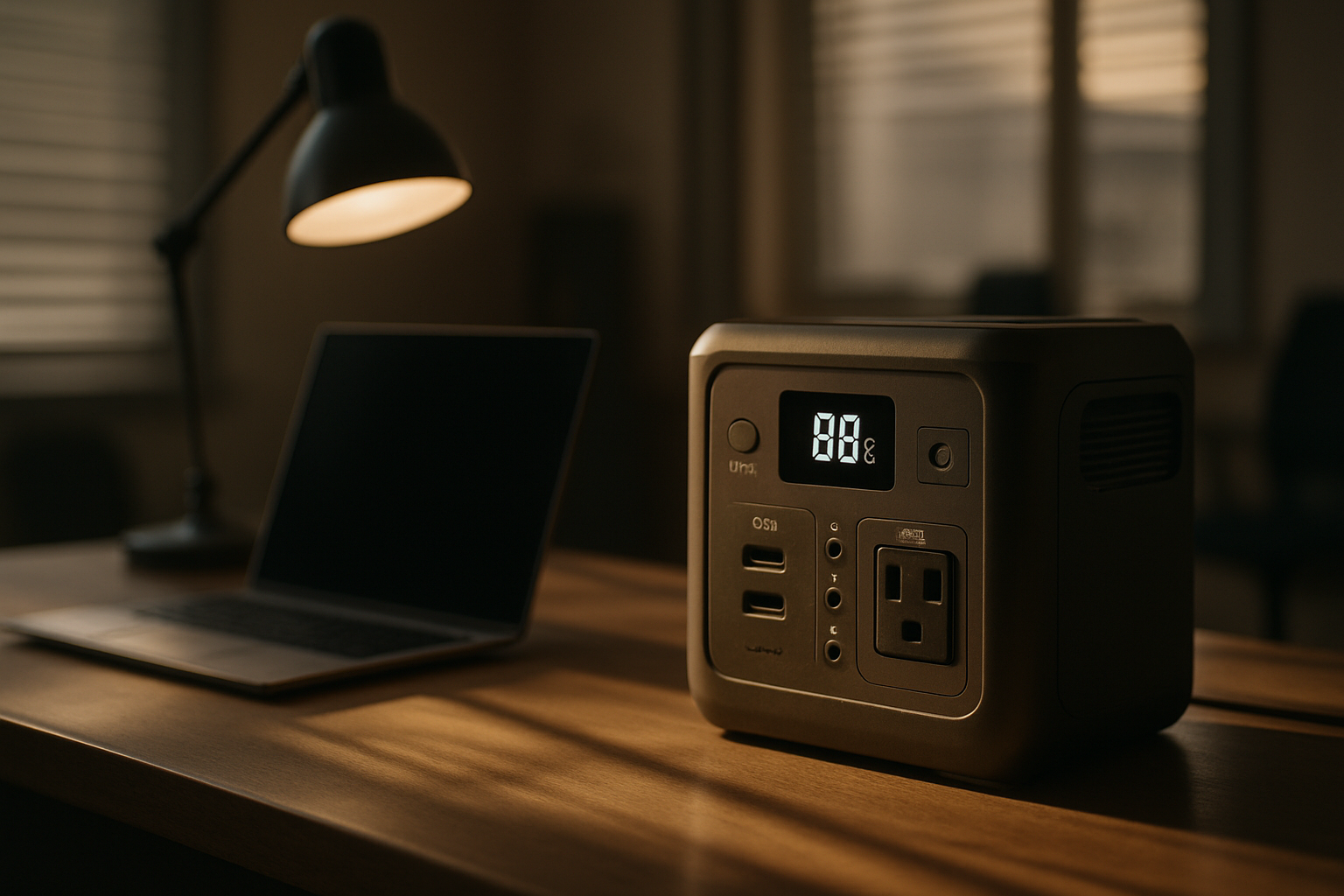
Photo by Zendure Power Station on Unsplash
Best Camping Power Stations Under $1000 in 2026
Camping power stations bridge the gap between roughing it and staying comfortable. A good mid-capacity unit (800–1500Wh) keeps phones charged, runs a small cooler, and powers lights and fans for 2–4 days without a recharge, based on typical 50–100W average draw. This guide covers the best options that balance capacity, weight, charging speed, and real-world durability for tent, RV, and van camping.
Why Capacity Matters for Camping
Power-station capacity (measured in watt-hours, or Wh) determines how long you can run devices before needing to recharge. A 1000Wh unit will run a 100W device for about 10 hours (accounting for ~10% inverter loss), or a 500W appliance for 2 hours.
For camping, most campers benefit from 800–1500Wh because it covers multi-day trips without requiring daily solar or car charging. Anything below 500Wh works only for phone/laptop charging; anything above 2000Wh becomes heavy and expensive.
The under- sweet spot captures units with 1000–1500Wh, enough for most camping styles without premium pricing.
Top Recommendations
EcoFlow Delta 2
The Delta 2 packs 1024Wh and a 1500W continuous inverter into a 6.5 kg (14 lb) unit. Multiple camping-focused reviewers and owner reports on outdoor forums highlight this model’s ability to run small refrigerators, air pumps, and dual laptop charging simultaneously. The 10-year warranty and modular battery-expansion option appeal to campers planning longer trips later.
Charging speed is a standout: the unit accepts up to 1000W solar input and can recharge from a car outlet in ~1 hour using the optional car-charging adapter. Real-world testing by outdoor reviewers shows 3–4 days of light camping use (phones, lights, small cooler) on a single charge.
Anker 757 PowerHouse
At 1229Wh and 7.4 kg (16.3 lb), the 757 is heavier than the Delta 2 but offers more capacity in a similar footprint. Owner reviews consistently report 4–5 days of typical camping use. The solar charging acceptance is particularly strong—it handles up to 500W input, making it a solid pick for off-grid weekends.
The 2000W continuous inverter handles high-inrush devices (like air conditioners or power tools) better than lower-wattage competitors. Durability reports highlight its rugged casing and consistent performance across temperature ranges, a key factor for multi-season camping.
Jackery Explorer 1000 Plus
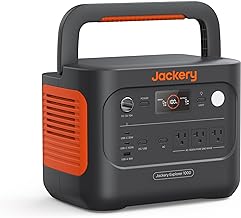
The Explorer 1000 Plus delivers 1024Wh and remains one of the most proven models in the camping-power-station category. Owners consistently report 2–3 years of regular use with minimal degradation. The unit is lighter (10.6 kg) than the Anker but heavier than the Delta 2.
Its 2000W inverter and straightforward interface appeal to first-time power-station buyers. Charging from AC takes ~2 hours (faster than older Jackery models). Solar expansion is supported, though the base unit’s solar acceptance caps at 200W, making it less ideal for pure off-grid camping than the Anker.
DJI Power 1000
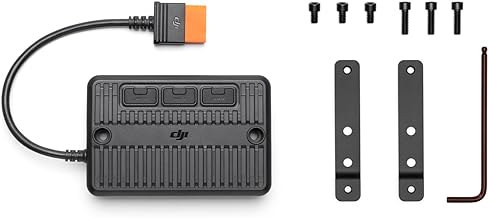
DJI’s entry into portable power offers 1024Wh with a distinctive modular design: you can add separate battery modules (the DJI BS500 Intelligent Battery Station) to expand capacity without replacing the main unit. This appeals to campers who start with short trips and plan to upgrade.
Per DJI’s official spec sheet and user reports, the 1000W continuous inverter is lower than competitors, limiting simultaneous high-draw appliances. However, the build quality and ecosystem integration (DJI drones charge directly) make it a solid choice for adventure photographers and tech-forward campers. Weight is 6.2 kg, among the lightest in this class.
Bluetti AC500 + B300S
This modular combo starts at the high end of the budget but offers 3072Wh (three stacked B300S batteries) and a 3000W inverter. For campers who plan to run larger appliances (propane heater ignition, high-draw fans, or a small portable AC unit), the extra capacity and power justify the investment.
According to Bluetti’s spec sheet and YouTube teardown reviews, the AC500 accepts up to 1440W solar input, the highest in this category. Recharge from AC is rapid (under 2 hours). The modular approach means you can start with one battery and add more, spreading the cost over multiple seasons.
Key Specs to Compare
When shopping focus on these four factors:
- Capacity (Wh): 1000–1500Wh covers most camping trips. Higher capacity = longer runtime but more weight and cost.
- Continuous inverter wattage: 1500W minimum for reliable phone/laptop charging; 2000W+ if you plan to run small appliances or power tools.
- Solar input acceptance: 200–500W is typical. Higher acceptance speeds off-grid recharges.
- Weight: Anything under 8 kg is portable for car camping; above 10 kg requires dedicated vehicle space.
Charging Strategies for Extended Trips
A single charge lasts 2–5 days depending on load. To extend beyond that, combine multiple recharge methods:
- Solar panels: Pair any unit with a 100–200W portable solar array (sold separately). Per manufacturer testing based on 4–5 peak sun hours, 200W of solar adds ~500Wh per full sunny day.
- Car charging: Most units accept 12V DC car input. A 2-hour drive recharges 200–400Wh depending on the unit.
- AC wall outlet (home base): If you’re car camping at a developed campground with hookups, recharge overnight from a campsite pedestal or vehicle inverter.
- Expandable batteries: The DJI and Bluetti models support stacking extra battery modules, letting you swap out a depleted unit while the other charges.
Durability & Warranty Considerations
Camping power stations endure temperature swings, dust, and moisture. Per manufacturer spec sheets and owner reports:
- Temperature tolerance: Most units operate safely from –10°C to 45°C (14°F to 113°F). Cold-weather camping may reduce runtime by 10–20%.
- Warranty: 5–10 years is standard in this price tier. EcoFlow and Jackery lead with 10-year coverage.
- Battery chemistry: LiFePO₄ batteries (used in EcoFlow, Anker, and Bluetti) offer higher cycle life (3000+ cycles) compared to older lithium-ion chemistries (500–1000 cycles), making them more durable and safer in extreme conditions.
Power Stations vs. Gas Generators
Portable power stations are quieter, produce no emissions, and require no fuel storage—ideal for car and tent camping. Gas generators are louder, cheaper upfront, and better for continuous high-draw use (like running a full-size RV AC). For most camping trips under 3 days, a power station wins.
FAQ
Can I use a power station in rain? Most units are splash-resistant but not fully waterproof. Keep the power station under a tarp or inside a tent during heavy rain. Avoid submerging ports or connectors.
Do power stations lose capacity over time? Yes, but slowly. LiFePO₄ units retain 80–90% capacity after 3–5 years of regular use. Lithium-ion degrades faster. Store units in cool, dry conditions to minimize degradation.
Can I charge a power station while camping? Yes. Most units accept solar panels (100–500W input), 12V car charging, or AC wall outlets. A 200W solar panel adds ~500Wh per sunny day.
Do power stations work in cold weather? Yes, but runtime drops 10–20% below freezing. Keep the unit insulated or inside a tent to maintain performance.
Which brand lasts the longest? Per warranty coverage and owner reports, EcoFlow, Jackery, and Anker have the best long-term durability records. Most owners report 3–5 years of heavy use before noticeable capacity loss.
Is expandability worth the extra cost? Only if you plan to upgrade within 2–3 years. The DJI and Bluetti modular systems let you add capacity without replacing the main unit, saving money long-term.
Final Verdict
The best camping power station depends on your trip length and appliance load. For 2–3 day trips with phones, lights, and a small cooler, the Jackery Explorer 1000 Plus or EcoFlow Delta 2 offer proven reliability and solid value. For off-grid weekends and solar charging, the Anker 757 PowerHouse excels. If you plan to expand capacity or run larger appliances, the Bluetti AC500 + B300S modular setup justifies the premium.
All five recommendations deliver 1000+ Wh, 1500W+ inverter power, and multi-year durability. Choose based on your vehicle space, weight tolerance, and whether you’ll invest in solar panels or modular expansion later.