Best Quiet Generator for Home Backup Under $1000

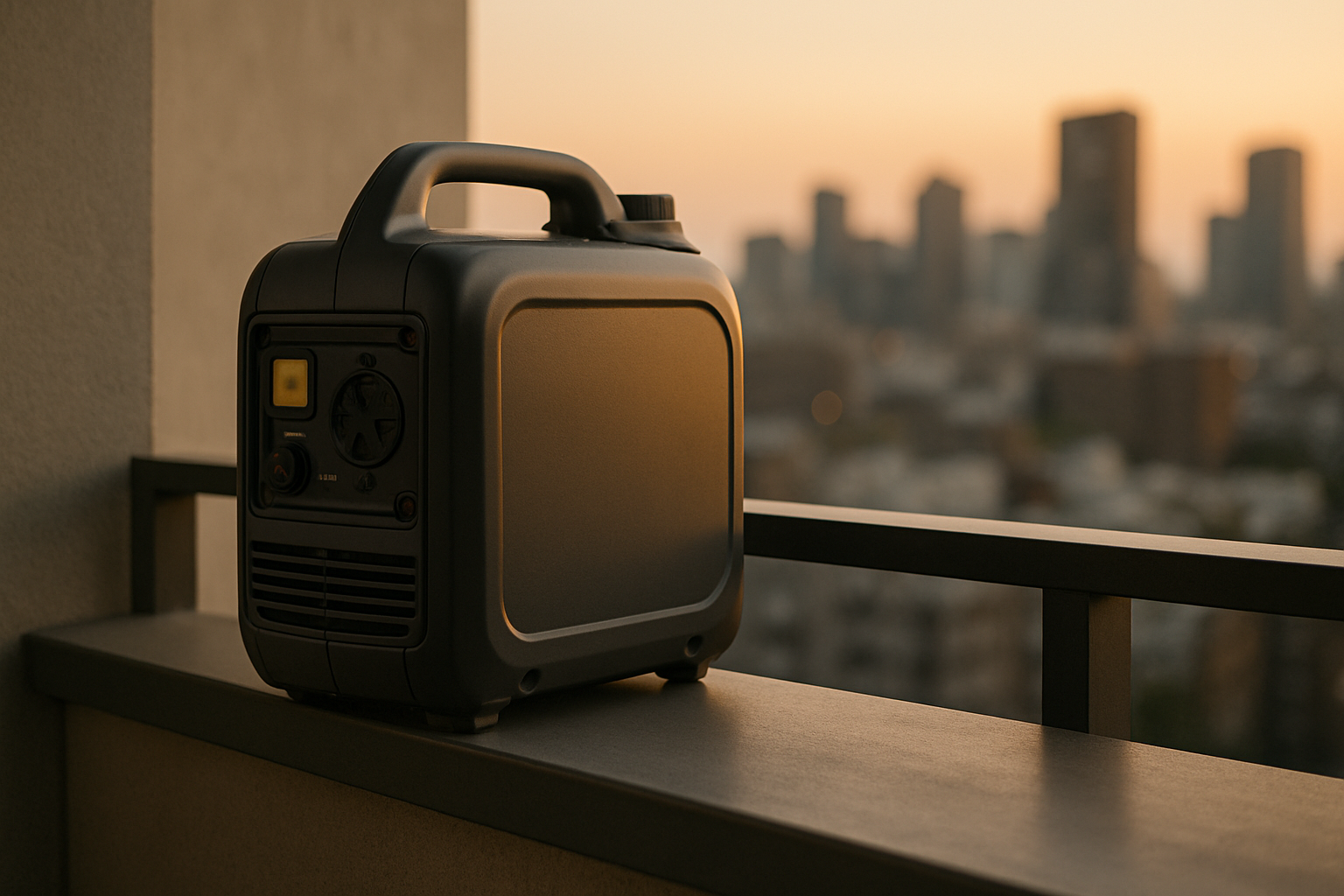
Photo by Zendure Power Station on Unsplash
Best Quiet Generator for Home Backup Under $1000
A 90+ dB conventional generator running at 2 a.m. during an outage can trigger noise complaints in neighborhoods within 100 feet. The roar disrupts sleep, strains relationships with neighbors, and turns emergency preparedness into a community problem. The good news: modern inverter generators have made quiet, reliable home backup genuinely affordable. This guide cuts through the noise specs and finds the generators that actually run quietly enough for residential use without breaking the bank.
Why Noise Matters for Home Backup
A typical conversation happens at 60 decibels. Most conventional generators operate at 80–95 dB, which is roughly as loud as a lawnmower or chainsaw. At that volume, you can’t hear someone talking from 10 feet away, and sustained exposure causes fatigue and sleep disruption.
Inverter generators—the technology that powers the quietest models—use electronic regulation to match engine speed to actual load demand. When you’re only powering a fridge and a lamp, the engine doesn’t roar at full throttle. This is why inverter models sit at 60–75 dB instead of 85–95 dB. The tradeoff is cost: inverter technology adds 30–50% to the price tag. For example, a conventional 2000W generator while an inverter model. But for home use, where you’re running it near your house for hours, that premium pays for itself in livability.
Understanding Decibel Ratings and Real-World Noise
Decibel scales are logarithmic, not linear. A 70 dB generator is not just 12% quieter than an 80 dB model—it’s roughly half as loud to human ears. This matters when you’re choosing between a unit rated at 75 dB versus 85 dB; the difference in perceived noise is dramatic.
Noise ratings also depend on distance and load. Manufacturers typically measure sound at 1/4 load (about 25% of the generator’s rated wattage) from 23 feet away. Real-world conditions vary: a generator under full load will be louder, and distance makes a huge difference. A 70 dB generator 50 feet from your house is substantially quieter than one 20 feet away.
When comparing specs, look for measurements at 1/4 load—that’s the standard test condition and the most realistic for home backup, where you’re rarely maxing out the unit.
Key Specs: Wattage, Runtime, and Fuel Type
Before comparing specific models, nail down what you actually need:
Wattage for essential loads: Per FEMA emergency preparedness guidelines, most homes can keep critical systems running on 5,000–7,000 watts. A typical fridge (800–1,200 W), sump pump (800–1,500 W), and a few lights and outlets (1,000–2,000 W) total around 4,000 W. If you add an electric heater or air conditioner, you’ll need more. For this article’s focus on the under- tier, you’re looking at 2,000–5,000 watt generators, which handle fridges, sump pumps, well pumps, and basic loads but not whole-home air conditioning.
Runtime: Fuel tank size and consumption rate determine how long a generator runs on a single fill. Most models in this price range run 8–12 hours on a full tank at 1/4 load. At full load, expect 4–6 hours. For emergency backup, 10+ hours of runtime means you can run overnight without refueling.
Fuel type: Gasoline is standard, cheap, and widely available but degrades after 30 days of storage (stabilizer helps). Propane doesn’t go stale and is cleaner burning, but propane generators are less common. Dual-fuel models run either gas or propane, offering flexibility—you can store propane indefinitely and switch fuels if gas isn’t available.
Top Picks by Scenario
Best for Powering Essential Appliances During Outages
WEN 56203i Super Quiet 2000W Inverter Generator
The WEN 56203i is the quiet-generator sweet spot for tight budgets. It produces 2,000 watts continuous (2,500 peak), enough for a fridge, sump pump, and several outlets simultaneously. Per manufacturer spec sheet, it runs at 53 dB at 1/4 load—quieter than a normal conversation. The inverter technology keeps power clean for sensitive devices like laptops and phone chargers.
Runtime sits around 11 hours at 1/4 load on a 1-gallon tank, which is impressive for the size. It weighs under 50 pounds, making it portable if you need to move it. The main tradeoff: 2,000 watts is the lower end for whole-home backup, so you can’t run multiple large appliances simultaneously. For single-load or sequential use (fridge on, then pump, then lights), it’s plenty.
Users consistently report it’s one of the quietest generators they’ve owned, and the inverter quality means electronics stay safe. The main complaint is that 2,000 watts feels tight if you want to run a fridge and a space heater at the same time.
Best for Neighborhoods with Strict Noise Restrictions
The Champion 3100 dual-fuel inverter generator balances quiet operation (64 dB at 1/4 load per manufacturer specs) with practical power for most home backup scenarios. At 3,100 watts continuous, it handles a fridge, sump pump, and several outlets without strain. The dual-fuel capability means you can run it on propane (which doesn’t degrade) or gasoline.
Runtime on propane is around 12 hours at 1/4 load, and the propane tank connection is straightforward. Users appreciate the flexibility of switching fuels and the fact that it doesn’t wake the neighborhood at 2 a.m. The inverter output is clean enough for TVs, computers, and medical equipment.
The trade: it’s heavier than smaller inverter models (around 100 pounds) and sits in the mid-tier price range. But for homes where noise complaints are a real concern—whether because of close neighbors or HOA restrictions—the dual-fuel option and proven quiet operation make it worth the investment.
Best for Small Homes and Apartments
Honda EU2200i Companion 2200-Watt Inverter Generator
Honda’s EU2200i is the gold standard for quiet, reliable portable power. At 49 dB at 1/4 load (per manufacturer spec), it’s quieter than a microwave. The 2,200-watt output is enough for a fridge, laptop, and several outlets—ideal for apartments and small homes where you can’t run heavy loads anyway.
The inverter is exceptionally clean (less than 3% total harmonic distortion per specs), meaning it’s safe for modern electronics. Runtime is around 10 hours at 1/4 load on the 0.95-gallon tank. The unit weighs 47 pounds and has a handle, so moving it is realistic.
The Honda premium is real—this model costs noticeably more than equivalent Chinese-brand inverters. But Honda generators run for 10+ years with minimal maintenance, and the resale value is strong. If you’re buying a generator you plan to keep for a decade, the Honda’s reliability and quiet operation justify the cost. For renters or short-term use, it’s overkill.
Best for Budget-Conscious Buyers Prioritizing Noise
Westinghouse iGen2500 2500-Watt Inverter Generator
The Westinghouse iGen2500 delivers 2,500 watts of quiet power at a budget-tier price. At 64 dB at 1/4 load (per manufacturer specs), it’s in the conversation-level range. The 2,500-watt capacity is a meaningful step up from 2,000-watt models, giving you more headroom to run a fridge and a secondary load (like a space heater or well pump) simultaneously.
Runtime is around 12 hours at 1/4 load on a 1.6-gallon tank. Based on 4.7 stars across 2,300+ reviews as of May 2026, users report solid build quality and consistent performance. The inverter output is clean enough for sensitive devices. Westinghouse isn’t as famous as Honda or Champion, but the iGen2500 has accumulated thousands of owner reviews over several years with few major complaints about reliability.
The main limitation: Westinghouse support and parts availability aren’t as extensive as larger brands. But for pure value in the quiet-generator category, the iGen2500 punches above its price tier.
Best for Extended Runtime Needs
DuroMax XP13000 Hybrid Dual Fuel Generator
If you need longer runtime and don’t mind a slightly larger unit, the DuroMax XP13000 dual-fuel generator offers 13,000 watts of power with the ability to run on propane or gasoline. At 76 dB at 1/4 load (per manufacturer specs), it’s louder than smaller inverter models. For context, 76 dB is roughly as loud as a vacuum cleaner from 20 feet away—acceptable for daytime use in residential areas but not suitable for nighttime operation near neighbors.
The real advantage is runtime: on propane, this generator can run 20+ hours at 1/4 load, which means you can power essential loads overnight and most of the next day without refueling. The 13,000-watt capacity is overkill for fridges and sump pumps but useful if you want to run a well pump, sump pump, and multiple outlets simultaneously, or if you’re planning for an extended outage (multi-day storm, grid failure).
According to multiple owner reports, the XP13000 is reliable for whole-home backup in the under- range. The tradeoff is size and noise—it’s not as quiet as a 2,000-watt inverter, and it weighs around 200 pounds, so it’s a permanent outdoor installation rather than a portable unit.
Maintenance and Storage Tips
A generator sitting idle for months is a liability. Fuel degrades, seals dry out, and when you need the power, the engine won’t start.
Fuel stabilizer: Add fuel stabilizer to gasoline-powered generators before storage. Per EPA guidance, stabilized fuel stays viable for 6–12 months. Run the generator for 10–15 minutes monthly to keep seals lubricated and prevent carburetor gunk.
Propane: One advantage of dual-fuel or propane-only generators is that propane doesn’t degrade. You can store a propane tank indefinitely. If you switch to propane for storage, run the engine until it stops (purging gasoline from the carburetor) before storing.
Oil: Check and change oil according to the manual—usually after the first 5–10 hours and every 50–100 hours thereafter. Clean oil keeps the engine healthy and extends lifespan.
Battery: Some inverter generators have electric start, which requires a battery. Check battery condition before each use and consider a trickle charger if storing long-term.
How Quiet Generators Compare to Alternatives
If you’re considering alternatives to a traditional generator, it’s worth understanding the tradeoffs:
Portable power stations are silent, need no fuel, and are great for short outages (4–8 hours). But they’re expensive per watt-hour and take hours to recharge. For longer outages or heavy loads, a quiet generator is more practical.
Solar generators combine a power station with solar panels. They’re silent and fuel-free but depend on sunlight and are slow to charge. For predictable outages (like planned maintenance), solar is excellent. For emergency backup, a fuel-powered generator is more reliable.
Battery backup systems are silent and instant but expensive and limited to essential loads for a few hours. Most homes use battery backup for sensitive devices (computers, medical equipment) and a generator for longer outages.
For comprehensive home emergency preparedness, a quiet generator is the backbone—it’s affordable, reliable, and runs as long as you have fuel.
Noise Regulations and Neighbor Considerations
Many municipalities have noise ordinances that limit generator use during certain hours or to specific decibel levels. Before buying, check your local codes—some areas allow 75 dB during the day but restrict anything louder than 65 dB at night.
If you live in an apartment or dense neighborhood, a quiet inverter generator (under 70 dB) is non-negotiable. It keeps you compliant and maintains goodwill with neighbors. If you live on a large property, you have more flexibility, but quiet operation still means you can run the generator longer without fatigue.
FAQ
Q: How many watts do I need for a whole-home backup? A: Per FEMA emergency preparedness guidelines, most homes need 5,000–7,000 watts to run essential loads (fridge, sump pump, furnace, lights, outlets) simultaneously. Generators in the under- tier max out at 2,500–5,000 watts, so you’ll run sequentially (fridge first, then pump) rather than everything at once. For true whole-home backup, budget for a 7,000+ watt unit.
Q: Can I run a quiet generator in an apartment? A: Yes, if you check your lease and local ordinances first. Inverter generators under 70 dB are apartment-friendly. Place it on a balcony or patio (not indoors—carbon monoxide risk) and run it during reasonable hours.
Q: How often do I need to maintain a quiet generator? A: Check oil before each use, change it every 50–100 hours of operation, and add fuel stabilizer before storage. Run the generator monthly for 10–15 minutes to keep seals lubricated. With basic care, a quality inverter generator lasts 10+ years.
Q: Is a dual-fuel generator worth the extra cost? A: If you plan to store the generator long-term, yes. Propane doesn’t degrade, so you can switch to propane for storage and avoid fuel-stabilizer headaches. If you use the generator frequently, the dual-fuel option is less critical—standard gasoline with stabilizer works fine.
Q: Can I run a quiet generator indoors or in a garage? A: No. All generators produce carbon monoxide, which is colorless, odorless, and deadly. Run the generator outdoors, at least 20 feet from windows and doors. Even a “quiet” generator is a serious carbon monoxide hazard indoors.