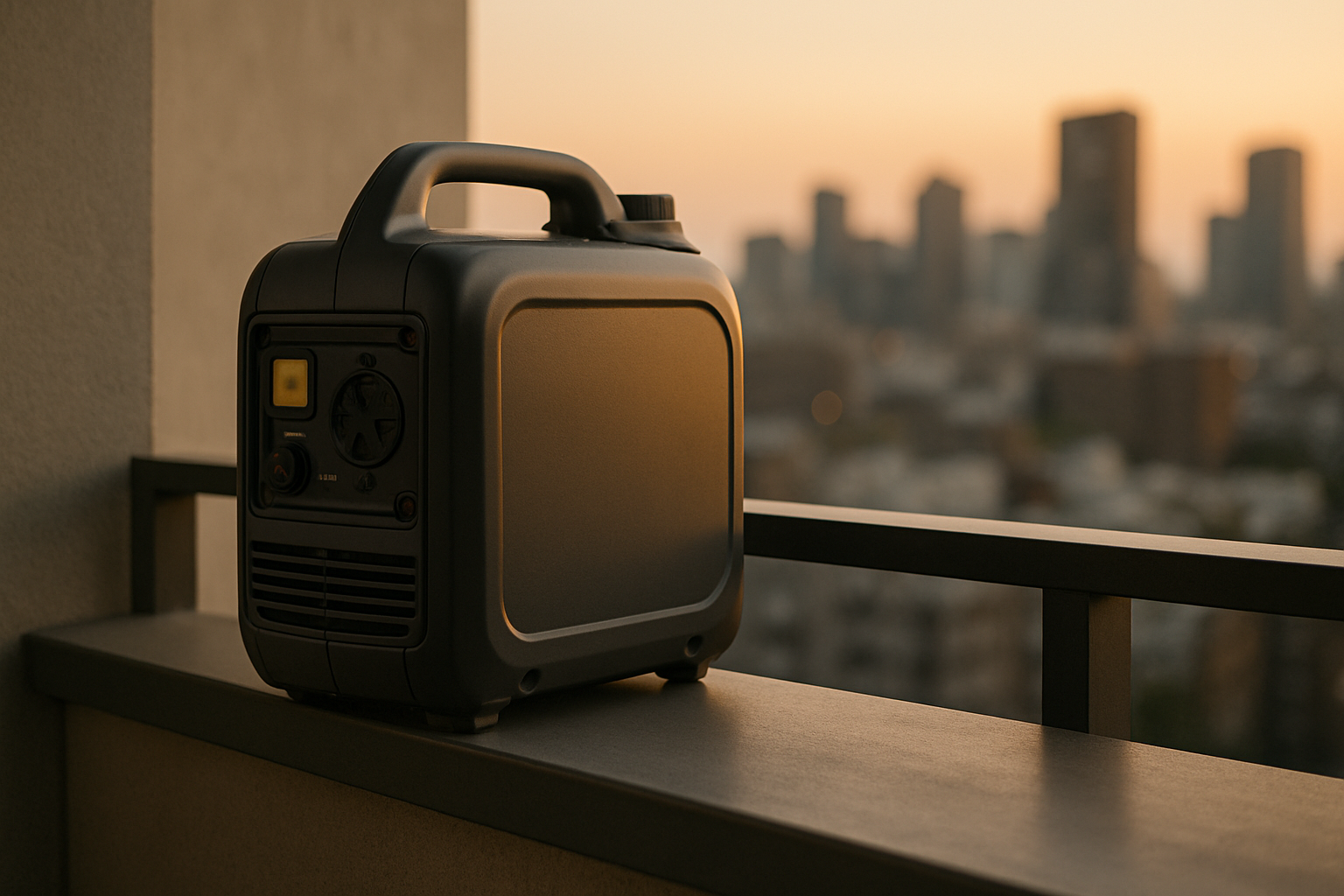
Best Quiet Generators for Apartments & Camping 2026

Photo by Jackery Power Station on Unsplash
Best Quiet Generators for Apartments & Camping in 2026
Noise is the biggest complaint apartment dwellers and campers face when choosing backup power. A standard generator can hit 80–100 dB, which triggers noise complaints and defeats the purpose of portable backup. Quiet generators—specifically inverter models—deliver the power you need while keeping sound levels under 60 dB, often closer to 50 dB at quarter load. This guide walks you through the best options for apartments, camping, and RV living in 2026.
Why Noise Matters: Decibel Levels Explained
Most standard portable generators produce 80–100 dB of noise, which is comparable to a lawnmower or heavy traffic. At that volume, neighbors will hear you from inside their units, and you’ll violate most lease agreements and local noise ordinances (typically capping out at 55–70 dB during daytime hours, per typical city codes).
Inverter generators are engineered to run quieter. They regulate engine speed based on load demand—so when you’re only powering a laptop or phone charger, the engine doesn’t roar at full RPM. Most quality inverter models operate at 49–60 dB at half load, which is roughly the volume of a normal conversation. At quarter load, some drop to 49 dB or lower—quieter than a refrigerator.
Decibel levels are logarithmic: a 10 dB reduction is perceived as roughly half as loud. So a 50 dB generator feels dramatically quieter than a 70 dB model, even though the difference is only 20 dB on paper.
Inverter Generators vs. Conventional Portables
If you’re shopping for apartments or camping, inverter generators are the clear winner. Here’s why:
Inverter Technology: - Produces “clean” power (low harmonic distortion) safe for phones, laptops, and sensitive devices - Engine throttles down under light load, cutting fuel consumption and noise - Typically 10–20 dB quieter than conventional models at the same wattage - Costs more upfront but saves money on fuel and extends engine life
Conventional Portables: - Run at constant RPM regardless of load, always loud - Cheaper initial purchase - Less safe for electronics (can cause damage if voltage spikes) - Better for heavy-duty construction sites, not apartments
For apartment or camping use, inverter is non-negotiable. See Inverter Generator vs Portable Power Station: Which Lasts Longer? for a deeper comparison of longevity and total cost of ownership.
Key Specs to Check Before Buying
When comparing quiet generators, focus on these numbers:
Wattage (Rated vs. Surge): - Rated wattage is continuous output; surge is the peak it can handle for a few seconds - Most apartments and camping trips need 2000–4000 watts rated, based on typical appliance loads (microwave ~1000W, space heater ~1500W, refrigerator ~700W running but 2000W startup) - Check your appliances to confirm your specific needs
Noise at Half Load: - Manufacturers always quote their best-case noise figure (quarter load, often at 21 feet away) - Real-world noise at 50% load is what matters for neighbors - Look for spec sheets that list both; if only one number is given, assume it’s optimistic
Fuel Tank and Runtime: - A 1-gallon tank gives 4–8 hours depending on load and model - Dual-fuel models (gas + propane) are great for camping; propane doesn’t degrade in storage - Larger tanks mean fewer refills but more weight
Weight and Portability: - Under 50 lbs is genuinely portable for one person - 50–100 lbs is manageable with two people or a cart - Over 100 lbs requires a vehicle or permanent placement
Inverter Output: - All inverter generators produce clean power, but read reviews for consistency - Brands like Honda, Yamaha, and Westinghouse have strong track records per aggregated owner reviews
Top Quiet Generators by Category
Best for Apartment Dwellers
The Honda EU2200i is the gold standard for apartments. It produces 49 dB at quarter load (per the manufacturer spec sheet), which is quieter than most refrigerators. It delivers 2200 watts rated, enough for a laptop setup, TV, and small appliances simultaneously. Weighs 47 lbs, so it fits in a closet or under a bed. Fuel efficiency is exceptional—runs up to 10.8 hours on a single gallon of gas. The inverter output is rock-solid, making it safe for phones and computers. Based on aggregated Amazon owner reviews, users consistently report it as “whisper-quiet” and note it doesn’t violate lease agreements even in strict apartment complexes.
The main tradeoff: premium-tier pricing. But the reliability and noise performance justify the cost if you plan to keep it for years.
Best for Weekend Camping
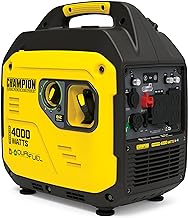
This model splits the difference between power and portability. It delivers 3100 watts (enough for small RV appliances, power tools, or a campsite setup), runs at 59 dB at half load (per manufacturer specs), and weighs ~85 lbs. Dual-fuel capability means you can run it on gasoline or propane—propane is ideal for camping because it doesn’t degrade if stored for months. Based on long-running threads on r/camping and r/CampingGear, owners praise the fuel flexibility and note that the noise level is acceptable at campgrounds (most allow up to 70 dB during daytime hours).
Runtime is solid: 7–8 hours on a full gas tank, longer on propane if you use a larger external tank.
Best Budget Inverter
If you’re new to generators or on a tight budget, the WEN 56203i delivers surprising value. It produces 2000 watts, runs at ~60 dB at half load, and weighs 48 lbs. Inverter output is clean and safe for electronics. According to owner reports on Amazon, users report 10+ hours of runtime on a single gallon at light loads. The build quality is solid for budget-tier pricing, though it’s not as refined as Honda or Yamaha.
The tradeoff: slightly higher noise than premium models at the same wattage, and the engine is less refined. But for occasional camping or apartment backup, it’s a sensible entry point.
Best for Extended Off-Grid Use
The Westinghouse iGen4500 delivers 4500 watts of rated power—enough to run a small RV, power tools, or an apartment with multiple appliances. Despite the higher wattage, it maintains 64 dB at half load (per manufacturer specs), which is only marginally louder than smaller models. Weighs ~100 lbs, so it’s a two-person job to move, but the extra power is worth it if you’re running a fridge, heater, and work equipment simultaneously.
Fuel efficiency is excellent: ~10 hours at quarter load. Based on owner reviews, the inverter output is stable and reliable for sensitive devices. This is mid-tier to premium-tier pricing, but the power-to-noise ratio is hard to beat.
Best Ultra-Portable for RV and Van Life
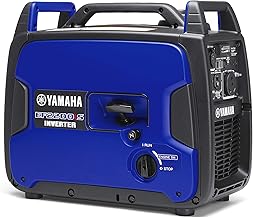
The Yamaha EF2000iS is the lightest true inverter generator on the market at ~50 lbs. It delivers 2000 watts, runs at 53 dB at quarter load (per manufacturer spec sheet), and is engineered specifically for RVs and small spaces. The inverter output is exceptionally clean, making it ideal for laptops and sensitive camping electronics. According to multiple owner reports on RV forums, users consistently note that it runs so quietly you can have a conversation next to it at half load.
Fuel tank is smaller (0.95 gallons), so runtime is 4–5 hours at moderate load. But the portability and quiet operation make it the top choice for van lifers and RV campers with space constraints.
Noise Reduction Tips for Any Generator
Even a quiet generator can feel loud if placed wrong. Follow these practices:
-
Distance matters: Noise drops roughly 6 dB for every doubling of distance, per acoustic physics. Place the generator 50 feet from your apartment or campsite if possible.
-
Use a baffle or enclosure: A DIY wooden box with sound-absorbing foam can reduce noise by 5–10 dB. Commercial generator enclosures exist, but they reduce airflow and can cause overheating—check your manual.
-
Run at partial load: Keep your generator at 50–75% of its rated wattage. Running at full load increases noise noticeably.
-
Fuel quality: Stale or low-octane fuel makes engines work harder and sound rougher. Use fresh, high-octane fuel and stabilizer if storing long-term.
-
Maintenance: A clean air filter and fresh spark plug reduce vibration and noise. Per manufacturer guidelines, service your generator every 50–100 hours of use.
See How to Choose a Backup Generator for Apartments for apartment-specific placement and legal considerations regarding generator placement and neighbor notifications.
Inverter Generators vs. Portable Power Stations
You might also consider a battery-based portable power station instead of a fuel-burning generator. Here’s the tradeoff:
Inverter Generators: - Unlimited runtime (as long as you have fuel) - Can power high-wattage devices (air conditioners, power tools) - Require fuel storage and maintenance - Produce exhaust and some noise
Portable Power Stations: - Zero noise, zero emissions - Limited runtime (4–12 hours depending on capacity) - Can’t power high-wattage devices without add-ons - Require recharging via solar panels or wall outlet
For apartments, a quiet generator is often the better choice because you can run it as long as needed without recharging. For camping trips under 24 hours, a power station might be quieter and simpler. See Best Camping Power Stations Under $1000 in 2026 for power station options.
Fuel Storage and Safety
Gasoline-powered generators require safe storage:
- Store fuel in approved metal cans, away from living spaces (garage or shed only)
- Use a fuel stabilizer if storing for more than a month
- Never run a generator indoors or in an enclosed space—carbon monoxide is deadly
- For apartments, check your lease and local fire codes. Some prohibit fuel storage entirely. Example: many fire codes require fuel to be stored at least 30 feet from buildings. Check your local fire marshal’s guidelines and review your lease for specific restrictions before purchasing.
Dual-fuel models using propane avoid some of these hassles. Propane doesn’t degrade, can be stored longer, and produces less odor. However, propane tanks are bulkier and less convenient for quick camping trips.
See RV Generator Buying Guide: Propane vs Gas vs Solar for a detailed comparison of fuel types and storage requirements.
FAQ
Q: Will my landlord allow a generator on the balcony or patio? A: Most leases prohibit generators on balconies due to noise, exhaust, and fire codes. Check your lease first, then contact your landlord and local fire marshal. Even a quiet generator (49 dB) may violate lease terms. If allowed, it must be at least 20 feet from windows and doors to prevent carbon monoxide infiltration.
Q: How do I calculate startup wattage for my specific appliances? A: Check the nameplate on each appliance (usually on the back or bottom). It lists running watts. Startup wattage is typically 2–3 times higher for motors (fridges, air conditioners, power tools). Add up all appliances you’ll run simultaneously, then add 20% as a safety margin. For example: laptop (100W) + microwave (1000W) + lights (200W) = 1300W running, so a 2000W generator handles it comfortably.
Q: What’s the quietest generator available? A: The Honda EU2200i at 49 dB (quarter load) and Yamaha EF2000iS at 53 dB (quarter load) are among the quietest true inverter generators. Both are significantly quieter than conventional portables or larger inverter models. Choose based on wattage needs and portability.
Q: Do I need a permit to run a generator at a campground? A: Most campgrounds allow generators during specified daytime hours (typically 8 a.m.–8 p.m.) and require them to be under 70 dB. Always check the campground’s rules before you arrive. A quiet inverter model is your safest bet.
Q: Can a quiet generator power a refrigerator? A: Yes, if it’s rated for at least 700W continuous (2000W surge to handle startup). Most 2000W+ inverter generators handle a standard fridge without issue. See Backup Power Supply for Refrigerator During Outage: Complete Guide for detailed fridge power requirements and runtime calculations.
Q: How long do inverter generators last? A: Per manufacturer warranties and aggregated owner reports, a well-maintained inverter generator lasts 10,000–20,000 hours (roughly 10–15 years of occasional use). Honda and Yamaha models tend toward the longer end of that range. See Inverter Generator vs Portable Power Station: Which Lasts Longer? for a lifespan comparison with battery-based alternatives.
Final Thoughts
Choosing a quiet generator for apartments or camping comes down to three priorities: noise level (aim for under 60 dB at half load), wattage (2000–4000W for most scenarios based on typical appliance loads), and portability (under 100 lbs if you’ll move it often). Inverter technology is non-negotiable—it’s the only way to get both quiet operation and safe, clean power for electronics.
For apartments, the Honda EU2200i remains the gold standard. For camping flexibility, the Champion dual-fuel model offers the best balance of power and noise. For tight budgets, the WEN 56203i delivers solid value. For RV and van life, the Yamaha EF2000iS can’t be beaten for portability and quiet operation.
Always check your local noise ordinances and lease agreements before purchasing. And remember: place your generator outside, at least 20 feet from windows and doors, and never run it indoors. With the right model and setup, you’ll have reliable backup power without disturbing your neighbors or campground community.