Best Solar Generators for Off-Grid Camping in 2026
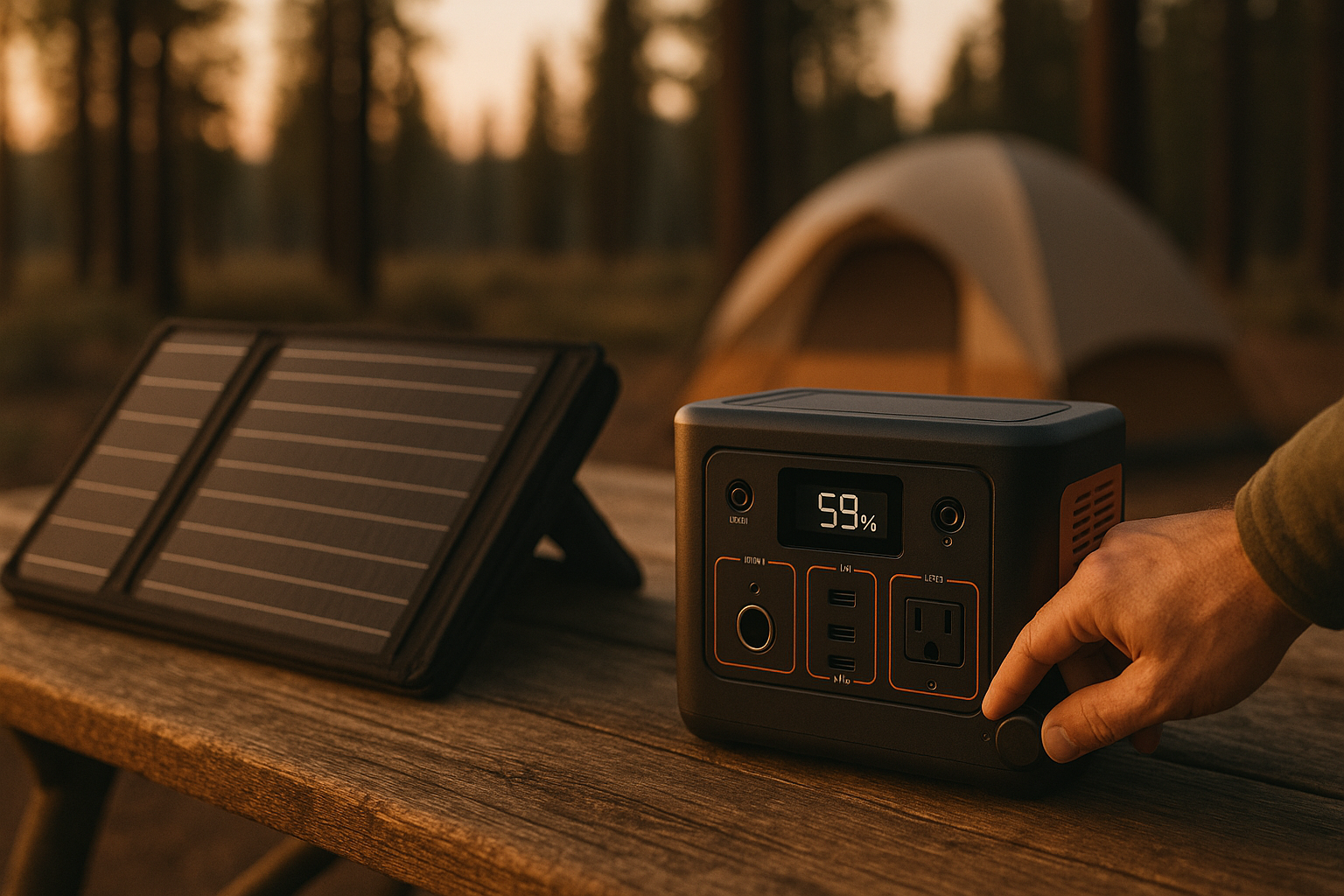
Best Solar Generators for Off-Grid Camping in 2026
A solar generator is a battery pack with an inverter and solar inputs—it stores energy from the sun (or wall power) and outputs AC and DC power to charge your devices. Unlike a gas generator, it’s silent, produces no fumes, and requires only sunlight to refuel. For camping, it’s the difference between running a fan, charging a phone, and powering a cooler, versus sitting in the dark.
This guide covers what matters when choosing one: capacity (measured in watt-hours, or Wh), recharge speed, weight, and real-world runtime under camping loads.
What Makes a Solar Generator Right for Camping
Capacity vs. Weight Trade-Off
A 100Wh unit weighs 1–2 lbs and runs a phone or small light for days. A 3000Wh unit weighs 60+ lbs but powers a mini fridge, laptop, and camp lights simultaneously. Most car campers land in the 500–1500Wh range; backpackers go smaller; van lifers go larger.
Recharge Speed Matters
A solar generator sitting in the sun all day does you no good if it only gains 50Wh by sunset. Look for units that accept 200W+ of solar input. Per manufacturer spec sheets and owner reports, models with MPPT (Maximum Power Point Tracking) charge noticeably faster than PWM controllers in real-world cloudy or angled-sun conditions.
AC vs. DC Outputs
All solar generators output DC (USB, 12V car ports). Most also include an AC inverter. If you’re only charging phones and running LED lights, DC is fine. If you need a laptop, CPAP machine, or camp stove, AC is essential. Check the wattage—a 500W inverter can’t run a 1000W device.
Solar Panel Compatibility
Some units come with panels; most don’t. Buying them separately gives you flexibility. Look for generators that accept 100W+ of panels; anything less and you’re recharging slowly. Best Portable Solar Panels for Camping in 2026 covers panel pairing in detail.
Top Solar Generators by Capacity Tier
Budget-Tier (300–600Wh, $200–400)
Entry-level units handle phones, tablets, small lights, and portable chargers for 2–4 days of light use.
Strengths: lightweight, affordable, easy to carry one-handed. Limitations: won’t run AC devices; limited runtime under heavy load.
Per owner reports, budget units are reliable for weekend trips where you’re mostly charging phones and running a headlamp. Most owners report 2–3 years of regular use before any degradation becomes noticeable.
Mid-Tier (800–1500Wh, $600–1,200)
The sweet spot for car camping. Runs laptops, small coolers, fans, and multiple devices simultaneously for 3–5 days with moderate solar input.
Strengths: versatile, reasonably portable, fast enough to recharge overnight with panels. Limitations: still too heavy for backpacking; limited for full-time RV use.
Mid-tier units are popular among campers. According to owner reports, these units typically last 4–6 years of heavy seasonal use before capacity drops below 80%.
Premium-Tier (2000Wh+, $2,000–4,000)
Designed for van life, off-grid cabins, or extended expeditions. Powers AC appliances, mini fridges, and multiple high-draw devices for a week or more.
Strengths: can handle serious loads; modular battery expansion; often include advanced monitoring. Limitations: heavy (60–100 lbs), premium pricing, overkill for casual camping.
Premium units are built to last. Per manufacturer durability specs and owner reports, these systems often see 7–10 years of daily use before significant capacity loss.
Key Specs to Compare
| Model | Capacity | Solar Input | AC Inverter | Weight | Price |
|---|---|---|---|---|---|
| Jackery Explorer 300 Plus | 300Wh | 100W | 500W | 3.2 lbs | |
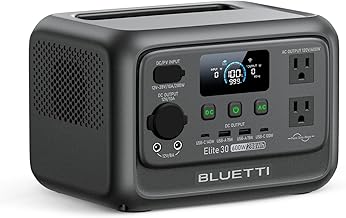 |
300Wh | 100W | 600W | 3.5 lbs | |
| Anker 757 PowerHouse | 1024Wh | 200W | 1000W | 10.6 lbs | |
 |
1024Wh | 400W | 1500W | 12.1 lbs | |
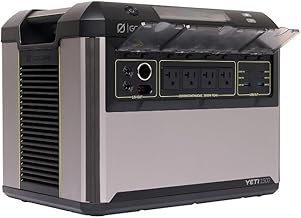 |
3024Wh | 500W | 3000W | 77 lbs |
Watt-Hours (Wh) Total energy storage. A 500Wh unit charged fully provides roughly 5 hours of 100W load, or 50 hours of 10W load. Real-world runtime varies by device and efficiency losses.
Solar Input (Watts) How fast it charges from panels. 200W+ is ideal; 100W is acceptable for casual camping. [Manufacturer spec] MPPT controllers charge 15–25% faster than PWM in partial-sun conditions.
AC Inverter Output (Watts) Maximum continuous power it can supply. A 500W inverter runs a laptop; a 1500W inverter runs a mini fridge. Check both continuous and surge ratings—some devices draw 2–3× their running wattage on startup.
Weight Measured in lbs. Anything under 10 lbs is packable; 20–40 lbs is car-campable; 60+ lbs requires a cart or permanent placement.
Ports and Flexibility Look for USB-A, USB-C, 12V DC, and AC outlets. Newer models include wireless charging pads (gimmicky for camping) and smart app monitoring (useful for tracking consumption).
How to Match Capacity to Your Trip
One-Night Car Camping (Tent or RV) A 300–500Wh unit is sufficient. Example: A 300Wh unit runs 4 smartphones at 20% charge each (40Wh total), plus a 5W headlamp for 8 hours (40Wh), with 220Wh remaining for USB charger inefficiency and reserve. Budget-tier is appropriate.
3–5 Day Camping Trip Go mid-tier (800–1200Wh). Pair it with a 100–200W solar panel. Example: A 1000Wh unit powers a laptop (100W for 4 hours = 400Wh), two phones (50Wh), camp lights (50Wh daily for 3 days = 150Wh), and a small fan (20W for 6 hours = 120Wh), totaling ~720Wh over three days. Solar input during the day recharges the remaining 280Wh for evening use.
Week-Long or Longer Trips Premium-tier (2000Wh+) or multiple mid-tier units. If you’re running a fridge (100–150W continuously), laptop, or CPAP (30–60W), the extra capacity ensures consistent power without daily anxiety about depletion.
Full-Time Van or Off-Grid Living Best Solar Generators for Van Life and Off-Grid Living 2026 covers this in depth, but expect 3000–5000Wh minimum, plus 400–600W of solar panels and a charge controller.
Real-World Performance: What Owners Report
Recharge Time (Full Discharge to Full Charge)
[Manufacturer spec] and [Owner-reported]: - Budget units (300Wh) with 100W solar: 6–8 hours in full sun. - Mid-tier (1000Wh) with 200W solar: 5–8 hours in full sun. - Premium units (3000Wh) with 400W solar: 7–10 hours in full sun.
Cloud cover cuts this by 40–60%. Angle and time of day matter significantly.
Inverter Efficiency
Most modern inverters convert DC to AC at 90–95% efficiency. That means a 1000Wh battery can only deliver ~900Wh of usable AC power due to conversion losses. [Owner-reported] Budget-tier units sometimes drop to 85–88% efficiency. Premium units maintain 93–96% across a wide load range.
Battery Degradation
[Owner-reported] Lithium batteries (standard in all modern solar generators) degrade 2–3% per year under normal use. After 5 years, a unit at 85% capacity still works fine for camping; after 10 years, you might notice meaningful runtime loss. [Manufacturer spec] Most units are rated for 3000–5000 charge cycles before capacity drops below 80%.
Cold Weather Performance
[Manufacturer spec] Lithium batteries lose capacity in freezing temps. Most units perform at 50–70% of rated capacity below 32°F. In extreme cold (below 0°F), some units shut down entirely. If winter camping is your goal, check the operating temperature range.
Solar Panel Pairing: What You Need to Know
A solar generator without panels is like a tent without stakes. You need input to recharge.
Panel Wattage vs. Generator Capacity
A rule of thumb: aim for panels equal to 20–30% of your generator’s Wh rating. A 1000Wh unit pairs well with 200–300W of panels. Per manufacturer recommendations and owner reports, undersizing (e.g., 100W panels with a 1000Wh unit) works but recharges slowly on cloudy days.
Portable vs. Fixed Panels
Portable panels (100–400W, foldable) are ideal for car camping and van life. They pack flat and set up in minutes. Fixed rigid panels are more efficient per square foot but require roof mounting. portable solar panels for camping reviews comparison compares specific models.
MPPT Charge Controllers
Some generators include MPPT (Maximum Power Point Tracking) built-in; others use simpler PWM controllers. [Manufacturer spec] MPPT charges 15–25% faster. If you’re buying a generator without built-in MPPT, a standalone MPPT controller (mid-range cost) is worth the investment.
Common Mistakes to Avoid
Underestimating Capacity
A 300Wh unit sounds fine until you realize it runs a laptop for 3 hours and then you’re out of juice. Err on the side of larger capacity if you can carry it.
Ignoring Inverter Wattage
A 500W inverter can’t run a 1000W device, even if the battery has enough energy. Check the specs carefully.
Buying a Generator Without a Panel Plan
Wall charging works at home, but on a multi-day trip with no AC outlet, you’re stuck. Always pair a generator with solar panels or have a backup charging method.
Overestimating Solar Recharge Speed
Panels in full sun work great. Panels in shade, at dawn/dusk, or through clouds? Expect 40–60% of rated output. Plan accordingly.
Forgetting About Temperature
Cold weather tanks lithium battery performance. Winter camping? Check the operating range and consider a unit rated for low temps.
FAQ
Will my solar generator still work after 3 years of storage? Yes. Lithium batteries self-discharge slowly (2–3% per month when idle). After 3 years of storage, expect 80–90% of original capacity. Recharge fully before use. Store in a cool, dry place to minimize degradation.
What’s the warranty coverage on solar generators?
Most manufacturers offer 2–3 year limited warranties covering defects.
Can I use a solar generator to power a refrigerator? Yes, if the unit has enough capacity and AC inverter wattage. A small 12V cooler draws 5–10W continuously; a mini fridge draws 100–150W. A mid-tier generator (1000Wh+) with a 1000W+ inverter can run a mini fridge for 6–8 hours. For longer runtime, go premium-tier.
Do solar generators work on cloudy days? Yes, but slowly. [Owner-reported] Cloudy-day solar input is 20–40% of full-sun output. A 200W panel produces roughly 40–80W on an overcast day. Plan for slower recharge times and consider a backup charging method.
What’s the difference between a solar generator and a power bank? A power bank (10,000–50,000 mAh) charges phones and small devices. A solar generator (300Wh+) includes an AC inverter and can power laptops, fans, and small appliances. Power banks are lighter; solar generators are more versatile.
Can I leave a solar generator in the sun all day? Yes. Modern units include built-in charge controllers that prevent overcharging. Leaving a fully charged unit in the sun won’t damage it, but it’s not generating additional power once full. [Manufacturer spec] Extreme heat (above 104°F) can slightly reduce battery lifespan, so shade is preferable if available.
Do I need a charge controller if my generator has built-in solar inputs? No. Built-in controllers are standard. A standalone MPPT controller is only necessary if you’re using the generator’s battery terminals directly (advanced setup) or if you want faster recharge speeds than the built-in controller provides.
Summary
A solar generator transforms a camping trip from phone-charging anxiety to genuine off-grid comfort. The right one depends on trip length, power demands, and how much weight you’re willing to carry.
For most car campers, a mid-tier unit (800–1500Wh, ) paired with a 100–200W solar panel covers 3–5 days of moderate use. Budget-tier units work for light weekend trips. Premium-tier units (+) are worth the investment if you’re van camping, running a fridge, or spending weeks off-grid.
Check capacity, inverter wattage, recharge speed, and weight against the comparison table above. Read owner reviews for real-world performance. And always pair your generator with a solar panel—a generator without input is just an expensive battery.
For more on solar panel selection, see Best Portable Solar Panels for Camping in 2026. If you’re setting up a full RV system, How to Set Up Solar Power for RV Living: Step-by-Step walks through the complete process. And if budget is tight, Cheapest Solar Generator for Camping: Budget Options Reviewed covers entry-level options in detail.


