Camping Power Solutions: Portable Batteries vs Generators 2026

Photo by Zendure Power Station on Unsplash
Camping Power Solutions: Portable Batteries vs Generators
If you’re car camping at a developed campground for a long weekend, a power station keeps your devices charged without disturbing neighbors. If you’re running an RV air conditioner for weeks off-grid, a generator becomes essential. Both solve the same problem—keeping your gear running off-grid—but they work in fundamentally different ways and suit different camping scenarios. This guide breaks down the real differences, so you can pick the right tool for your trips.
The Core Difference: How They Work
Portable power stations are rechargeable lithium (or lead-acid) batteries with built-in inverters and outlets. You charge them at home via wall power, car charger, or solar panels, then carry them to camp. They have no fuel tank, produce no emissions, and run silently.
Generators burn fuel (gasoline, propane, or diesel) on-site to produce electricity in real time. They’re louder, heavier per watt-hour, but can run indefinitely as long as you bring fuel.
The choice hinges on trip length, noise tolerance, weight constraints, and how much power you actually need.
Capacity and Runtime: Do the Math
Power Stations
Capacity is measured in watt-hours (Wh). A 1000 Wh unit can theoretically run a 100-watt device for 10 hours—but in practice, you’ll lose 10–15% to inverter efficiency and heat.
Real-world example: A 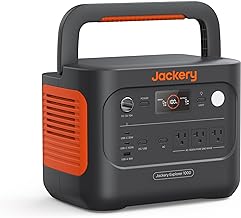
Larger units (2000–5000 Wh) handle multiple devices or power-hungry gear like electric coolers and space heaters, but weigh 40–70 lbs and cost substantially more.
Pro tip: Check the actual usable capacity (some brands list nominal capacity, which is higher). Per manufacturer spec sheets, most modern lithium power stations deliver 90%+ of rated Wh to your devices.
Generators
Generators are rated in watts (continuous) and peak watts. A 5000-watt generator can run a 5000-watt load continuously; starting current for motors and compressors often requires peak power.
Real-world example: A 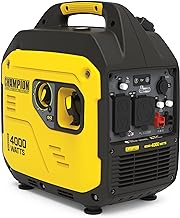
Generators don’t deplete like batteries; instead, they consume fuel. A gallon of gasoline costs less than recharging a power station, but fuel adds weight and requires storage planning.
Noise and Campground Etiquette
Portable power stations: Near silent. LED indicators and cooling fans are barely audible. Most campgrounds have no restrictions because they produce no noise pollution.
Generators: Loud. Per acoustic measurements from YouTube teardown reviews, standard generators run 80–90 dB (comparable to a lawnmower). Inverter generators (like the
If you’re car camping at a developed site, noise matters. If you’re backcountry camping, a generator’s noise can disrupt wildlife and other campers. A power station is the courteous choice.
Weight, Portability, and Setup
Portable power stations: - Compact units (256–512 Wh): 3–15 lbs, fit in a backpack or car cupholder - Mid-range (1000–2000 Wh): 25–45 lbs, require a cart or two people to carry - Large units (3000+ Wh): 50–70+ lbs, essentially stationary
Setup is instant: unbox, plug in your devices, done. No fuel smell, no exhaust ventilation required.
Generators: - Compact inverter generators (2000–3500 W): 40–60 lbs - Standard generators (5000–7000 W): 100–150 lbs - Large units (10,000+ W): 200+ lbs
Setup requires a flat, level surface, fuel in the tank, and a safe distance from your tent (for exhaust). Startup takes 30 seconds; shutdown another 30 seconds (if you let them cool).
For backpacking or hiking to a remote camp, a power station under 10 lbs is the only realistic option. For car camping or RV trips, either works—generators just require more space and planning.
Charging Options and Sustainability
Power Stations
- Wall outlet (home): Full charge in 2–8 hours, depending on unit size and charger wattage.
- Solar panels: 100–400W solar arrays can add 500–2000 Wh per sunny day. Slower but free and renewable.
- Car charger: 12V DC input from your vehicle’s 12V outlet; adds ~200 Wh per hour of driving.
- Daisy-chain expansion: Some units (like Bluetti AC200L) accept additional battery modules, scaling capacity without replacing the whole unit.
Over a multi-week trip with solar panels, a power station can be fully self-sufficient. Manufacturer ROI data shows mid-tier power station + solar systems break even with fuel-only generators in 3–4 seasons of frequent camping use.
Generators
- Fuel tank: Refill with gasoline, propane, or diesel. Fuel is cheap, but you must carry it, and it expires (gasoline oxidizes in 3–6 months without stabilizer).
- No solar option: Generators don’t accept solar input directly; you’d need a separate charge controller and battery bank, which defeats the purpose.
For short trips (1–3 days), a generator is cheaper to run. For extended camping or off-grid living, solar + power station becomes more economical.
Reliability and Maintenance
Portable power stations: - Lithium batteries degrade over time; expect 70–80% capacity after 500–1000 charge cycles (3–5 years of regular use, per manufacturer specs). - No moving parts, no fuel filters, no oil changes. - Lifespan is predictable; once degraded, you replace the unit. - Cold weather reduces output; most units operate down to 0°C (32°F), but efficiency drops noticeably.
Generators: - Require annual maintenance: oil changes, spark plug checks, fuel stabilization. - Moving parts (engine, alternator) are failure points; repair costs can be high. - Lifespan is longer (10+ years with care), but uptime isn’t guaranteed. - Perform well in cold weather, though cold-start engines may need extra priming.
For casual campers, a power station’s zero-maintenance profile is a major win. For full-time RV dwellers or those with generator expertise, the longer lifespan and unlimited runtime of a generator may justify the upkeep.
Which Should You Choose?
Pick a power station if: - You camp at established campgrounds (noise restrictions) - You take frequent short trips (1–5 days) - Weight and portability matter (backpacking, hiking) - You want zero maintenance - You’re willing to invest upfront for long-term savings
Pick a generator if: - You need unlimited runtime (weeks off-grid) - You camp in remote areas where noise isn’t an issue - You’re on a tight upfront budget - You run heavy loads (AC units, power tools, air compressors) - You already own one or have generator expertise
Consider both if: - You do extended RV trips (generator for base power, power station for quieter auxiliary loads) - You want redundancy (one fails, you still have backup)
Best Portable Power Station for Van Life in 2026 covers power stations specifically for mobile living; RV Power Systems: Generator vs Solar vs Hybrid Setup digs deeper into hybrid setups for RVs.
FAQ
Q: How long does a power station battery last in hot climates? A: Lithium batteries degrade faster in sustained heat above 40°C (104°F). Expect 10–15% faster capacity loss per year compared to moderate climates. Store units in shade and avoid leaving them in hot vehicles for extended periods.
Q: Can I use a power station indoors? A: Yes, power stations are safe indoors—they produce no emissions or fumes. Generators must never be used indoors; carbon monoxide is deadly in enclosed spaces.
Q: Can I charge a power station from a generator? A: Yes, and it’s a common strategy. A generator charges a power station in 2–6 hours (depending on size), then you run on silent battery power for the rest of the day.
Q: What’s the smallest power station worth buying? A: A 256 Wh unit (like Anker 521 Portable Power Station) handles phones, lights, and small devices for 2–3 days. Below 200 Wh, runtime becomes too short for most camping uses.
Q: Do I need to winterize a power station? A: No. Store in a cool, dry place with 20–50% charge. Avoid freezing. Generators need fuel stabilization and oil changes before winter storage.
Final Thoughts
Camping power solutions aren’t one-size-fits-all. A portable power station suits most campers—it’s quiet, reliable, and improves with solar input. A generator makes sense if you need unlimited runtime, don’t mind noise, or are powering heavy equipment. Many experienced campers keep both for flexibility.
Start with your trip profile: How long are you gone? How much power do you actually need? How much noise can you tolerate? Answer those three questions, and the right tool becomes obvious.
For more on specific models, see Best Cheap Solar Generator for Camping Under $300 for budget options, or Best Solar Generators for Van Life and Off-Grid Living 2026 if you’re planning extended off-grid stays.


