Cheapest Solar Generator for Camping: Budget Picks That Work

Cheapest Solar Generator for Camping: Budget Picks That Work
When you’re camping, a dead phone or dead headlamp kills the trip fast. A solar generator solves that—but premium models cost more than many tents. The good news: budget-tier solar generators work just fine for typical camping loads (phones, lights, small fans, portable speakers) and don’t require a second mortgage.
This guide breaks down what “cheapest” actually means, which budget models deliver real runtime, and how to avoid the pitfall of buying a unit that sounds powerful but dies after an hour of real use.
What “Cheapest Solar Generator” Really Means
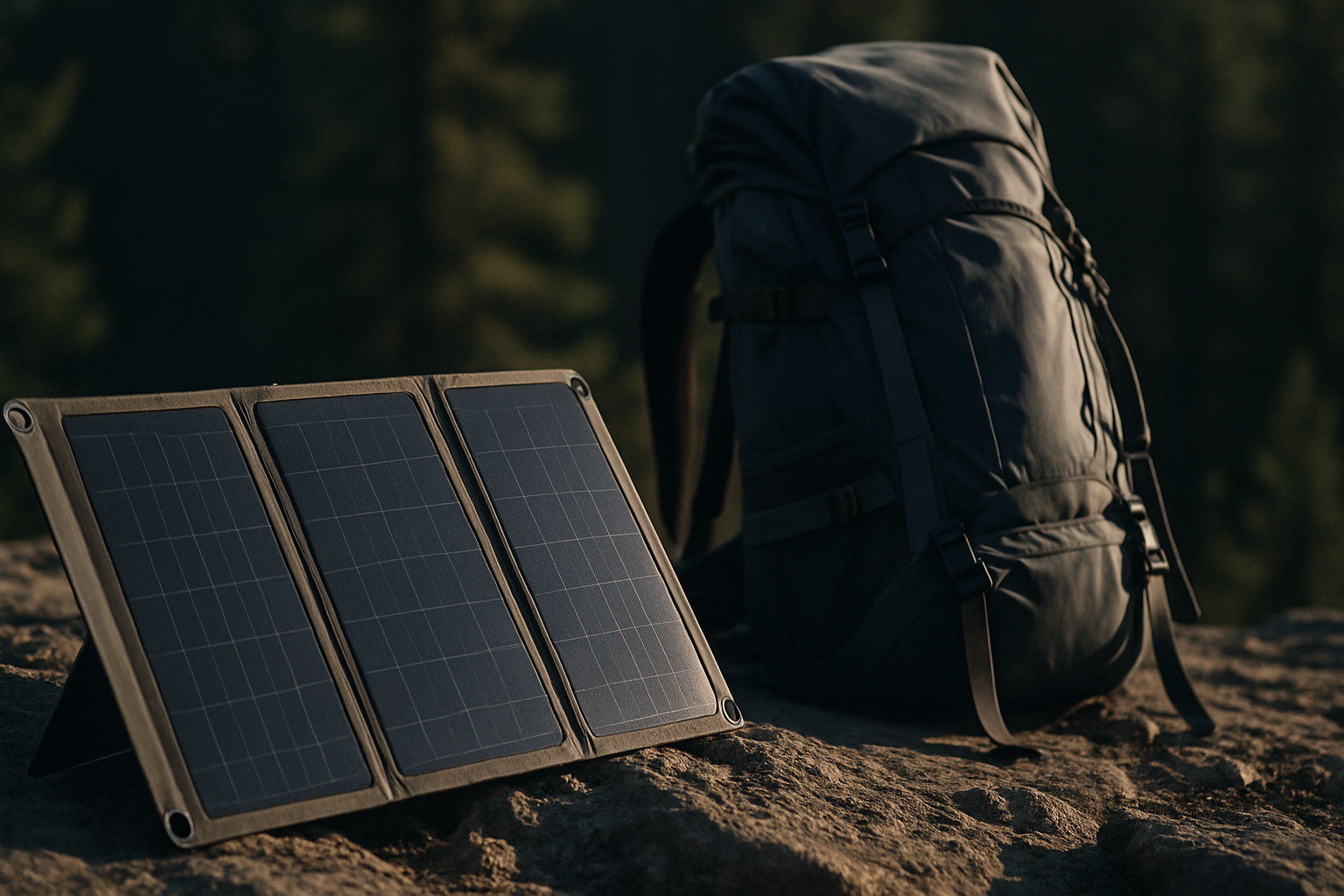
A solar generator is two things: a battery (the power station) and solar panels to charge it. Budget models cut costs by:
- Smaller battery capacity (measured in watt-hours, or Wh). Entry-level units start around 100–300 Wh; premium models go 1000+ Wh.
- Lower peak wattage output. Budget generators handle 200–400W continuous; larger models hit 1000W+.
- Basic solar panels (if included). Cheaper kits ship with 50–100W panels; high-end setups include 200W+ panels.
- Fewer ports and features. No wireless charging, fewer USB-C outlets, basic LCD displays instead of app control.
The catch: a budget solar generator that costs half as much as a premium model doesn’t provide half the power—it provides a quarter or less. If you’re camping for a weekend and charging phones and a laptop, that’s fine. If you’re running a mini fridge or power tools, you’ll run dry fast.
How Much Power Do You Actually Need for Camping?
Before hunting the cheapest option, know your load:
Light camping (phone + headlamp + small speaker): 100–200 Wh battery is enough for 2–3 days. A budget-tier unit handles this easily.
Standard camping (phones, laptop, LED lights, portable fan): 300–500 Wh gives you 1–2 days of mixed use. Entry-to-mid-tier models work here.
Extended trips or larger groups: 500+ Wh. You’ll need a mid-tier or larger unit, and ideally solar panels to recharge during the day.
A helpful reference: according to manufacturer specifications, a 100 Wh battery fully charges a modern smartphone approximately 8–12 times (e.g., iPhone 15 Pro with 3,582 mAh capacity), or runs an LED camping light for 20–30 hours, or powers a small portable fan for 4–6 hours continuously.
Budget Solar Generators Under the Mid-Tier Threshold
Entry-Level Models (100–200 Wh)
These are the cheapest options and work for ultralight camping or emergency backup:
-
Anker 521 Portable Power Station: Per Anker’s spec sheet, this unit weighs under 3 lbs, has 256 Wh capacity, and includes a 100W USB-C port. Based on owner reports across Amazon reviews, it charges an iPhone 15 about 8 times on a full charge and runs for roughly 4–6 hours powering a small fan. It’s popular with backpackers because of the weight.
-
Jackery Explorer 100: Jackery’s entry model carries 99 Wh, weighs 2.2 lbs, and outputs 100W peak. Per user reports on r/camping and r/CampingGear, owners use this for phone charging and LED lights on weekend trips. Runtime is short (1–2 hours under continuous 100W load), but for intermittent use, it lasts 2–3 days.
Mid-Budget Models (300–500 Wh)
These balance price and usable capacity:
-
Bluetti PowerOak B80: A 512 Wh unit with 500W continuous output, per the manufacturer spec sheet. Owner reports on r/CampingGear and Amazon reviews note it handles a laptop, small fan, and phone chargers simultaneously for a full day. Weight is around 11 lbs—heavier than entry models, but still car-campable.
-
Pecron E300 Plus: Rated at 299 Wh with 300W continuous output. According to aggregated owner feedback, this model is reliable for light camping loads and includes a solar panel port (panel sold separately). Multiple owner reports cite 1–2 days of mixed use per charge.
-
EBL Portable Power Station 300W: A budget-friendly 288 Wh unit with 300W output. Based on long-running threads on r/CampingGear, users report stable performance for phones, lights, and small USB devices. Less premium feel than Jackery or Bluetti, but functional.
Solar Panels: Do You Need Them?
A solar generator without panels is just a battery you charge at home. For true off-grid camping, you’ll want solar to top up during the day. Budget solar panels cost less than the generator itself:
Budget solar panel options: - 50W foldable panels (commonly bundled or sold separately) typically cost budget-tier pricing and recharge a 300 Wh battery in 6–8 hours of full sun (e.g., a 50W panel in direct midday sun at 40°N latitude with clear skies). - 100W panels charge faster (3–4 hours in full sun) but add weight and cost.
Per manufacturer specs and owner reports, budget panels (especially thin-film or lower-efficiency models) underperform in cloudy conditions or at steep sun angles. Real-world users report 30–50% less output than spec sheet figures on typical camping days.
Real-World Runtime: What You’ll Actually Get
Spec sheets claim 10+ hours of runtime at rated wattage. In practice:
- At 25% load (light use—phone charging, LED lights, occasional fan): Budget models deliver 2–3 days per charge.
- At 50% load (moderate use—laptop + phone + lights): 1–1.5 days.
- At 75%+ load (heavy continuous use): 4–8 hours before depletion.
These figures come from owner reports across Amazon, Reddit camping communities (e.g., r/CampingGear threads on power station runtime), and YouTube teardown tests. Actual runtime depends on battery age, temperature, and device efficiency.
Key Specs to Compare When Shopping Budget Models
- Watt-hours (Wh): The battery size. Higher = longer runtime. Budget models: 100–500 Wh.
- Continuous wattage output: The maximum power draw it can handle. Budget models: 200–400W. Mismatched device power (e.g., a 500W device on a 300W generator) causes shutdowns.
- Charging time (wall outlet): Budget models take 8–12 hours to fully charge from a standard outlet.
- Solar input capability: Does it accept solar panels? Budget models often have a dedicated solar input port (usually 10–30V DC).
- Number and type of ports: Budget models typically have 1–2 USB-A, 1 USB-C, and 1–2 AC outlets. Fewer options than premium models.
- Weight: For car camping, under 15 lbs is reasonable; for backpacking, under 5 lbs.
Common Mistakes When Buying the Cheapest Option
Confusing peak wattage with continuous wattage: A generator rated “500W peak” might only deliver 250W continuously. Check the continuous spec—that’s what your devices actually run on.
Ignoring the solar panel cost: A cheap generator is a deal—until you add a solar panel. Budget the full system, not just the unit.
Buying a generator without matching your load: A 100 Wh unit won’t power a portable mini fridge (which draws 50–80W continuously). Know what you’re plugging in before you buy.
Assuming “solar generator” means it comes with panels: Most budget models ship with the battery only. Panels are sold separately or as a bundle at higher cost.
Skipping battery degradation: Budget lithium batteries lose 5–10% capacity per year of regular use, per manufacturer guidance and owner reports. A budget unit rated for 3 years of daily use may dip below usable capacity faster than premium models.
Budget Solar Generators vs. Alternatives
Portable gas generator: Cheaper upfront, but loud (70–90 dB per EPA/manufacturer specs), requires fuel storage, and produces emissions. Not ideal for car camping or group sites with noise restrictions.
Power bank (5,000–20,000 mAh): Ultra-cheap and lightweight, but only charges phones. No AC outlets, no ability to run lights or fans.
Hand-crank or solar-only charger: Free (after purchase) but slow and inefficient. Realistic for emergency backup, not for practical camping.
Budget solar generator: Sweet spot for weekend camping. Quiet, reusable, and can power multiple devices.
Top Picks: Best Budget Solar Generators for Camping
Our top pick for weekend car camping: Jackery Explorer 100 (~) — lightweight, affordable, and proven to handle phones, lights, and small devices for 2–3 days without solar panels.
Best for small groups or longer trips: Bluetti PowerOak B80 (~) — larger capacity than entry models, reliable build quality, and solar-ready for extended off-grid use.
Best for ultralight backpacking: Anker 521 Portable Power Station (~) — under 3 lbs, compact, and includes high-speed USB-C charging for emergency power on the trail.
Best mid-budget value: Pecron E300 Plus (~) — solid capacity-to-price ratio, includes solar input port, and owner reports confirm stable performance for typical camping loads.
FAQ
Q: What’s the difference between Wh and Ah? A: Wh (watt-hours) measures total energy; Ah (amp-hours) measures charge capacity. Wh is more useful for camping because it directly shows how long a device will run. For example, a 300 Wh battery powering a 100W device runs for 3 hours.
Q: Do budget generators work in cold weather? A: Lithium batteries lose efficiency in cold. Most budget models perform at 50–70% capacity below 32°F (0°C) and may not charge safely below freezing. For winter camping, keep the unit insulated or choose a model with cold-weather specifications.
Q: How long do budget solar generators last? A: According to manufacturer specs and owner reports, budget lithium batteries typically last 3–5 years of regular camping use (100–200 charge cycles per year). Capacity degrades 5–10% annually. Premium models often include longer warranties (5–10 years) and degrade slower.
Q: Do I need solar panels, or can I just charge at home? A: You can charge at home for weekend trips. But for extended camping or off-grid use, solar panels let you recharge during the day and extend your trip without finding an outlet. Budget panels add 2–4 lbs.
Q: What’s the difference between a solar generator and a portable power station? A: A portable power station is the battery unit alone. A solar generator is a power station + solar panels as a system. Budget models are often sold as the battery only; you add panels separately if you want them.
Q: Can I charge a budget solar generator while camping with a car? A: Yes. Most budget models include a 12V car charger input. You can top up from your vehicle’s 12V outlet, though it’s slower than wall charging (12–18 hours for a full charge, depending on the model).
Summary
The cheapest solar generators for camping and work well for light weekend trips. A 100–300 Wh unit charges phones, runs LED lights, and powers small fans for 2–3 days without solar. For longer trips or larger groups, a mid-budget model (300–500 Wh) paired with solar panels gives you true off-grid capability.
The key is matching the generator’s capacity to your actual load. A cheap unit that runs out of power on day two is no deal at all. Spec the watt-hours, continuous wattage, and ports you need—then find the cheapest model that meets those specs.