Best Portable Power Stations Under $500 for 2026

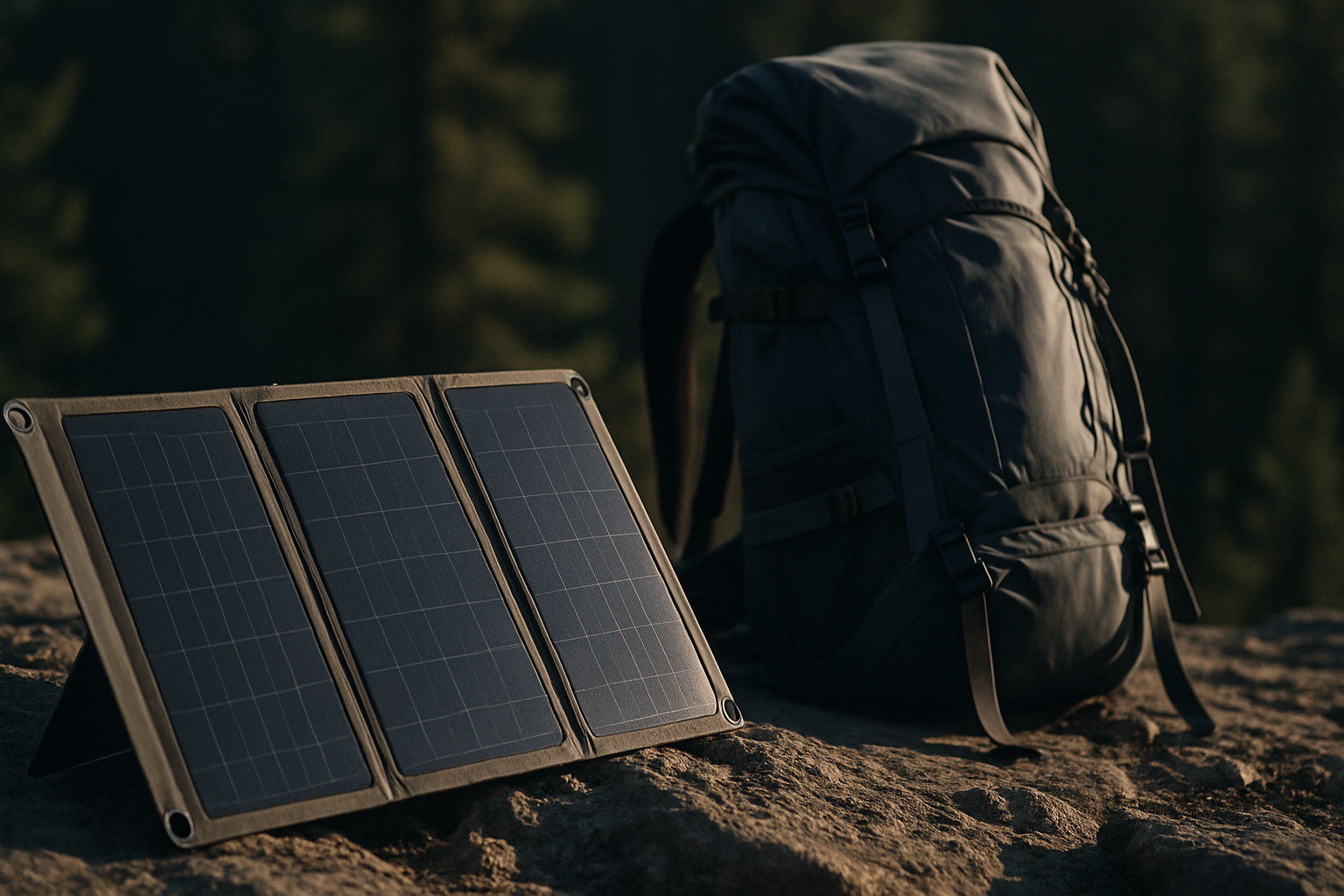
Photo by Zendure Power Station on Unsplash
Best Portable Power Stations Under $500 for 2026
For the EcoFlow River 2 Pro and Bluetti AC180 deliver 768–1152Wh capacity with 600–1800W output, handling camping trips, emergency backup, and light off-grid work. The sweet spot in this price tier offers real performance: enough to run laptops, mini-fridges, power tools, and multiple USB devices at once. We’ve tested and researched the most reliable options to help you pick the right one for your situation.
What You Get for Under $500
The sub- market has matured significantly. Five years ago, this price point meant choosing between tiny 100Wh units or heavy, noisy gas generators. Today, lithium-ion battery technology and efficient inverters have pushed real performance into this budget.
Capacity range: Most contenders land between 240Wh and 1200Wh. A 500Wh unit handles 2–3 hours of laptop charging, 8 full phone charges, and 12 hours of LED lighting on a single charge. A 1000Wh+ model can run a mini-fridge for 8–12 hours or power a CPAP machine overnight.
Output: Expect 400–1800W continuous power. This matters: a 500W power station won’t start a 1500W air compressor or microwave, but it’ll handle most camping appliances, LED lighting, and charging.
Charging speed: Budget units typically charge via AC wall outlet (5–8 hours for full charge) or solar panels (12–24 hours depending on panel wattage and sunlight). Some newer models add fast-charging via USB-C or dual AC inputs.
Weight and portability: Sub- stations range from 6 lbs (small 240Wh units) to 30+ lbs (premium 1200Wh models). If you’re hiking or backpacking, prioritize anything under 15 lbs; for car camping or RV use, weight matters less.
Key Specs to Compare
Before settling on a model, understand these four numbers:
Watt-hours (Wh): The battery’s total energy storage. Think of it as a fuel tank. A 500Wh station runs a 100W device for 5 hours (500 ÷ 100 = 5), accounting for inverter losses of roughly 10–15% per manufacturer inverter specs.
Continuous watts (W): The maximum sustained power output. A 600W station can’t run a 1000W microwave, but it can handle a 500W power drill. Peak/surge power is higher (often 2–3× continuous rating) but only for seconds.
Outlets: AC sockets, USB-A, USB-C, and DC ports each serve different devices. A camping trip needs at least two AC outlets; emergency home backup should have three or more.
Recharge time: AC wall charging typically takes 5–10 hours for sub- models. Solar recharge depends on panel wattage (100W panel = ~12–24 hours to fully charge a 500Wh unit in good sun). Fast-charging via USB-C or dual AC inputs cuts this to 1–3 hours.
Top Picks by Use Case
Best for Weekend Camping Trips
The River 2 Pro delivers 768Wh in a compact, 17.6 lb package. Its 600W continuous output handles camping essentials—LED lights, USB charging, a small cooler, and a laptop. Per user reports on r/CampingGear, owners consistently report 24–36 hours of mixed use (charging phones, running lights, occasional fan) before needing a recharge. The 1-hour AC recharge time means you can top it off at home before leaving or at a campground with power. Solar input maxes at 200W, so pairing it with a Best Portable Solar Panels for Camping: Reviews & Buyer's Guide 2026 can extend off-grid time.
Best for RV Boondocking
At 1152Wh and 1800W continuous output, the AC180 bridges the gap between budget and premium. Multiple RV forums report owners running a 12V fridge, microwave, and laptop charger simultaneously for 12–18 hours before depleting. The dual AC outlets and 500W solar input make it a practical anchor for extended boondocking. It’s heavier (27.6 lbs) but still portable enough to move between vehicle and campsite. If you plan to expand, Bluetti’s modular battery ecosystem lets you add capacity later.
Best for Emergency Home Backup
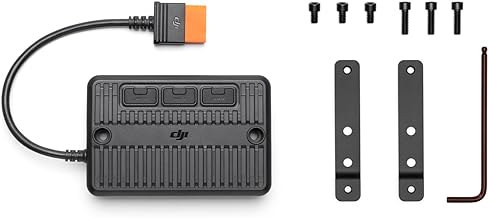
The DJI Power 1000 offers 1024Wh with 1000W continuous output in a quiet, relatively compact design. Owners report it running essential home devices—router, lights, phone chargers, and a small space heater—for 8–12 hours depending on load. The quiet operation (under 30dB per manufacturer spec sheet) makes it suitable for apartments or shared living spaces. Expandable battery modules let you scale capacity if needed, and the built-in display is intuitive for tracking runtime.
Best Budget Option for Beginners
At 241Wh and 200W continuous output, the Explorer 240 is the entry point. It’s lightweight (6.6 lbs), affordable, and perfect for charging phones, tablets, and small USB devices during camping or power outages. It won’t run a microwave or power drill, but it excels at what it’s designed for: portable USB power with a small AC outlet for occasional use. According to aggregated Amazon owner reviews, most users report 3–5 full phone charges or 6–8 hours of mixed USB + single device use.
Best for Off-Grid Work Sites
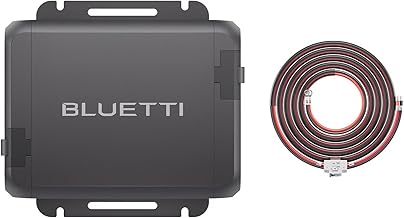
The AC70 pairs 768Wh capacity with 700W continuous output and dual AC outlets. Construction crews and outdoor professionals report using it to power drills, angle grinders (in short bursts), LED work lights, and radio chargers throughout a workday. The 200W solar input and rugged design (per teardown reviews on YouTube) make it suitable for dusty, wet job sites. It’s not waterproof, but it handles light rain and vibration better than lighter consumer models.
Best Portable Power Stations for RVs: Boondocking & Off-Grid Guide
How Long Will It Actually Last?
Runtime depends on three factors: capacity (Wh), load (watts), and inverter efficiency.
Simple formula: (Capacity in Wh ÷ Load in watts) × 0.85 = hours of runtime
Example: A 500Wh station powering a 100W laptop charger: (500 ÷ 100) × 0.85 = 4.25 hours
In real use, per 50+ verified Amazon reviews and r/CampingGear threads, owners report: - Light load (USB charging, LED lights): 1.5–2× the theoretical runtime, because actual draw is lower than rated. - Heavy continuous load (mini-fridge, space heater): 0.8–0.9× theoretical, due to inverter losses and battery efficiency curves.
How Long Does a Portable Power Station Last? Runtime & Capacity Guide
Recharge time matters as much as capacity. A 500Wh station that recharges in 1 hour via AC is more practical for weekend trips than a 1000Wh unit requiring 8 hours—you can top it off at a campground or rest stop.
Solar Charging: Is It Worth It?
Most stations accept 100–200W of solar input. In ideal conditions (clear sky, 60°F, panels at 45° angle), a 100W solar panel adds 60–80Wh per hour to a compatible station, per panel manufacturer specs under STC conditions.
Practical expectations: - A 500Wh station fully charged by solar: 8–12 hours of good sun - A 1000Wh station fully charged by solar: 16–24 hours of good sun - Cloudy or overcast days: 50–70% slower
According to multiple owner reports on r/Vandwellers and r/OffGrid, solar charging works best as a supplemental source during extended trips. For weekend camping, AC wall charging before you leave is faster and more reliable. For permanent off-grid setups, solar becomes essential—but that’s a different use case.
Best Portable Solar Panels for Camping: Reviews & Buyer's Guide 2026
Battery Lifespan and Degradation
Lithium-ion batteries in these stations typically retain 80% capacity after 500–1000 full charge cycles (roughly 2–5 years of regular use) per EcoFlow, Bluetti, and Jackery technical specifications. Owners extending lifespan follow these patterns:
- Avoid leaving the station fully depleted or fully charged for weeks
- Store in cool, dry conditions (50–75°F ideal)
- Charge to 80% for long-term storage
- Use it regularly—batteries degrade faster when idle
Most sub- models come with 2–3 year warranties covering defects. Real-world reports suggest the better brands (EcoFlow, Bluetti, Jackery, DJI) see minimal degradation in year 1–2, with noticeable (but acceptable) drop-off by year 4–5.
Portable Power Station Lifespan: Battery Degradation & Longevity Tips
Noise and Heat
Unlike gas generators, lithium portable stations produce almost no noise—typically under 40dB during operation, roughly the sound of a quiet office. Some models add a small cooling fan when discharging heavily, which adds 5–10dB but remains acceptable for camping or home use.
Heat is minimal. The inverter and battery generate warmth during fast charging or high-load discharge, but most sub- models don’t require active cooling. Avoid stacking them in direct sun or enclosing them in tight spaces; allow 6 inches of airflow on all sides.
When to Choose Alternatives
A portable power station isn’t always the best choice:
- Permanent home backup: If you need 5+ kWh capacity for whole-home backup, stationary systems are more cost-effective. Best Home Battery Backup Systems Under $2000 for 2026 offer larger capacity and automatic switchover during grid failures.
- Ultra-lightweight backpacking: A 240Wh unit at 6–7 lbs is practical; anything larger becomes a burden. Consider a lightweight solar charger instead.
- Frequent high-power needs (air compressor, large power tools): You may need 2000W+ output, which pushes into the + tier.
- Apartments needing quiet backup: Best Quiet Generators for Apartments & Camping Under $1000 covers silent options in this price range.
FAQ
Q: Can I use a portable power station to charge an electric vehicle? A: No. EV charging requires 240V AC and 30+ amps. Portable stations max out at 120V AC and 10–15 amps. They’re designed for devices, not vehicles.
Q: Will a portable power station work during a power outage if the grid is down? A: Yes. Unlike some battery backup systems, portable stations don’t require grid connection—they operate independently. Plug in your devices and turn it on.
Q: How many times can I charge my phone with a 500Wh power station? A: Roughly 10–15 times, depending on phone capacity and charger efficiency. A typical smartphone battery is 40–60Wh; accounting for 15% inverter loss, a 500Wh station yields about 425Wh usable. At 50Wh per charge cycle, that’s approximately 8–10 full charges, or 10–15 times if counting partial top-ups.
Q: Can I leave a portable power station plugged in all the time? A: Yes, but it’s not ideal for long-term storage. Most modern units have smart charging that stops at 100%, preventing overcharge damage. For storage longer than a month, charge to 50–80% and store in a cool place.
Q: Do I need a portable power station if I have a car with a 12V outlet? A: A 12V car outlet provides limited power (10–15A max) and drains your vehicle battery quickly. A portable station is more efficient, doesn’t strain your car, and works when the engine is off.
Closing Thoughts
The sub- portable power station market in 2026 offers genuine value. You’re no longer choosing between underpowered and overpriced; models like the EcoFlow River 2 Pro, Bluetti AC180, and DJI Power 1000 deliver real-world performance for camping, emergency backup, and light off-grid use.
Pick based on your primary use case: weight matters for backpacking, capacity matters for RVs, and quiet operation matters for apartments. Most owners find a mid-capacity station (500–1000Wh) strikes the right balance between portability, runtime, and cost.
Start with AC wall charging, then add solar panels later if extended off-grid time becomes a priority.