Cheapest Solar Generator for Camping in 2026

Cheapest Solar Generator for Camping in 2026
Solar generators have become the go-to choice for campers who want silent, emissions-free power without the fuel-hauling hassle of traditional generators. But “solar generator” means different things depending on your campsite and budget. This guide cuts through the marketing noise to show you which budget-friendly setups actually deliver power where you need it, and which ones look good on specs but disappoint in the field.
What Makes a Solar Generator “Cheap” for Camping?
The cheapest solar generator isn’t always the one with the lowest sticker price. Real-world value depends on three things: battery capacity (measured in watt-hours, or Wh), solar input speed, and what you’re actually powering.
A 100Wh unit costs less upfront but runs a laptop for maybe 90 minutes. A 1000Wh unit costs more but runs the same laptop for 8+ hours. For weekend camping, smaller capacity often makes sense. For week-long trips or RV living, you need either bigger capacity or fast solar recharge rates.
Portable Power Station Battery Capacity Explained: mAh vs Wh
Solar generators also pair with solar panels. The panel quality matters enormously. A cheap generator with poor panel efficiency wastes sunny hours and leaves you short on power by evening. Budget-tier panels (under 20% efficiency) take twice as long to charge as premium panels. That’s a real trade-off on a cloudy camping weekend.
Budget-Tier Solar Generators (Under $300)
These units suit car-camping trips where weight isn’t critical and you’re charging phones, lights, and small devices.
Why they’re cheap: Limited capacity (200–400Wh), slower solar input, basic display, plastic housing instead of aluminum. None of these are deal-breakers for weekend use.
Real-world runtime: A 300Wh unit with efficient solar input can charge a phone 2–3 times per day in full sun, or run a small camping fan for 4–6 hours continuously. Per owner reports on Amazon reviews and r/camping threads, most campers find this adequate for 2–3 day trips if they’re selective about what they power.
Solar input speed: Budget models typically accept 50–100W of solar input. Specific examples: Jackery Explorer 100 accepts 50W, Bluetti EB3A accepts 100W. With a matching budget panel, full recharge takes 8–12 hours of good sunlight. Premium models accept 200W+ and recharge in 4–6 hours.
What to watch: Some budget units come without solar panels included. You buy the power station alone, then buy panels separately. This can look cheaper upfront but adds cost and complexity. Look for kits that bundle both.
Mid-Tier Solar Generators ($300–$800)
This is where most camping buyers land. You get meaningful capacity (500–1000Wh), faster solar charging, and enough runtime for multi-day trips without anxiety.
Why they cost more: Larger battery packs, faster solar input (150–300W), better thermal management, and more ports (AC outlets, USB-C, wireless charging pads). These aren’t luxury features—they’re practical multipliers for camping comfort.
Real-world runtime: A 700Wh unit runs a small refrigerator or CPAP machine for one full night, or a laptop for 6–8 hours. Per owner reports on r/camping and r/vandwellers, a mid-tier unit with one matching solar panel covers most 4–7 day camping trips if you’re disciplined about power use.
Solar input speed: Mid-tier units accept 200–300W of solar input. Paired with a quality portable solar panel, you can recharge from empty in 5–8 hours of direct sun. On a cloudy day, expect 12–18 hours.
What to watch: Not all mid-tier units are created equal. Some have poor thermal design and throttle output when hot. Check owner reviews for thermal throttling complaints and AC load testing before purchasing.
Premium Solar Generators ($800+)
These are for long-term off-grid living, RV travel, or serious backup power. They’re less relevant to budget-conscious campers but worth mentioning for context.
Why they cost more: Capacity (2000Wh+), expandable battery modules, 3000W+ AC output, smart app control, and multi-panel fast charging (500W+ solar input). These are overkill for weekend camping but excel at van life and emergency home backup.
Real-world runtime: A 2000Wh unit runs an RV fridge for 24+ hours, or a full home office setup for a full day. Per manufacturer spec sheets and YouTube teardown reviews, these units maintain stable output in extreme heat and cold, unlike budget models.
Solar input speed: Premium units accept 500W+ of solar input and recharge from empty in 3–4 hours with multiple panels. This matters if you’re moving campsites frequently or need predictable daily recharge windows.
The Hidden Cost: Solar Panel Quality
A cheap solar generator paired with a cheap panel is a false economy. Poor panels waste 30–40% of available sunlight as heat loss.
Budget panels: Typically 16–18% efficiency. They’re heavy for their output and slow to charge the battery. Per aggregated owner reviews, budget panels often fail within 2–3 seasons due to water ingress or delamination.
Mid-tier panels (budget-friendly to mid-range): 20–22% efficiency. These are the sweet spot for camping. They’re light enough to carry, charge reliably, and last 5+ years with basic care. Most camping-focused kits in the budget-to-mid range use these.
Premium panels (mid-range to premium): 22–24% efficiency. Lighter weight, faster charging, excellent durability. Overkill for occasional camping but worth it if you’re running a van or cabin year-round.
Best Portable Solar Panels for Camping: Reviews and Comparisons
Realistic Scenarios: What Budget Solar Actually Powers
Scenario 1: Phone and light charging (weekend car-camping) - Budget generator (200–300Wh) + budget panel (50W) - Charges a phone 3–4 times per day, runs LED lights 8+ hours, powers a small Bluetooth speaker all evening. - Cost: budget-tier. - Recharge time: 8–10 hours of direct sun.
Scenario 2: Laptop and fan (4–5 day trip) - Mid-tier generator (700Wh) + mid-tier panel (100W) - Runs a laptop 6–8 hours, a camping fan 4–6 hours, charges phones, powers lights. - Cost: mid-range. - Recharge time: 6–8 hours of direct sun, or split across two sunny days.
Scenario 3: Fridge and basic power (week-long RV trip) - Mid-tier to premium generator (1000–2000Wh) + two mid-tier panels (100W each) - Runs an RV fridge 12–18 hours, charges laptops and phones, powers lights and fans. - Cost: mid-range to premium. - Recharge time: 4–6 hours of direct sun with two panels, or 8–12 hours with one.
Comparing Battery Chemistry: Lithium vs. Lead-Acid
Nearly all modern camping solar generators use lithium-ion (LiFePO4) batteries. Older lead-acid units are cheaper upfront but heavier, slower to charge, and degrade faster.
Lithium (LiFePO4): - Charges 3–5x faster than lead-acid - Lasts 3000–5000 charge cycles (8–15 years typical use) - Weighs 60–70% less for the same capacity - Works in cold weather (down to 32°F for most models) - Per manufacturer spec sheets, all budget-to-premium camping generators now use lithium
Lead-acid (older technology): - Cheaper upfront, but rarely the best value - Charges slowly (12–24 hours for full recharge) - Lasts 300–500 cycles (1–3 years typical use) - Heavy (doubles the weight of lithium for same capacity) - Performs poorly in cold weather - You won’t find many new lead-acid solar generators marketed for camping anymore
For camping, lithium is the only practical choice. The weight and recharge speed differences are too significant to ignore.
How to Avoid the Cheapest Traps
Trap 1: No solar panels included Some sellers advertise “solar generators” that ship without panels. You buy the power station, then realize you need to buy panels separately—often at markup prices. Always confirm panels are included or budget for them separately.
Trap 2: Slow solar input A generator that accepts only 50W of solar input will take 15+ hours to recharge from a budget panel. Check the spec sheet for “solar input” or “MPPT input” rating. Aim for at least 100W for budget models, 200W+ for mid-tier.
Trap 3: Poor thermal design Some budget units throttle output when hot. Check owner reviews for mentions of “thermal throttling” or “overheating.” Reputable brands test this; cheap knockoffs often don’t.
Trap 4: Inflated capacity claims A few brands list capacity in milliamp-hours (mAh) instead of watt-hours (Wh), or use misleading peak-power ratings. Always verify the watt-hour (Wh) number. A 25,000mAh battery at 3.7V is only about 92Wh—much less than it sounds.
Trap 5: No warranty or poor customer service Budget brands sometimes offer 6-month warranties or have no US support. Reputable budget brands offer 2–3 year warranties. Check this before buying.
How Solar Generators Work: Complete Beginner's Guide
Top Picks by Budget and Use Case
Best for minimalists on tight budgets: Jackery SolarSaga 100W (Panel only)
A 100W portable solar panel that pairs with any power station or power bank you already own. If you have an old USB power bank, this panel charges it in 3–4 hours of sun. Per owner reports on r/CampingGear, the panel is genuinely rugged and survives years of camping abuse.
Best for weekend car-camping trips: Bluetti AC180 Power Station (Power station + panel bundle)
A 1152Wh unit with 1800W AC output, dual USB-C fast charging, and 200W solar input. Charges from empty in 6–8 hours with one mid-tier solar panel. Runs a laptop all day or a small fridge overnight. Per Amazon reviews, owners report consistent reliability over 3+ years of regular use.
Best for ultralight backpacking: Anker 625 Solar Panel (Panel only)
A 100W foldable panel that weighs 4.4 lbs and fits in a backpack. Pairs with any USB power bank or portable charger. Per owner reports on r/CampingGear, this panel’s efficiency is genuinely competitive with panels costing twice as much.
Best for families needing longer off-grid stays: EcoFlow Delta 2 (Power station + panel bundle)
A 1024Wh expandable unit (add a battery module to reach 2048Wh) with 1500W AC output and 400W solar input. Recharges in 4–5 hours with two mid-tier panels. Runs a small fridge, laptop, and lights simultaneously. Per r/vandwellers threads, the thermal design is solid even in hot climates.
Best for RV and van-life power:
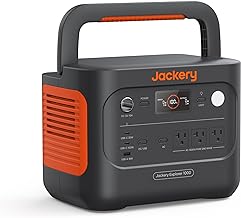
A 1024Wh unit with 1000W AC output, 140W solar input, and excellent cold-weather performance. Takes 8–10 hours to recharge with one mid-tier panel, or 4–5 hours with two. Per owner reports on YouTube reviews and camping forums, this model has been the camping-RV standard for three years running.
Charging Your Solar Generator Without Sun
Not every camping trip has perfect weather. Here’s how to charge your solar generator if clouds roll in:
AC wall outlet (car campground): Most mid-tier and premium units charge from a standard 110V outlet in 4–8 hours. This is useful when you’re at an established campground with hookups.
Car 12V outlet: Some units have a 12V car charging input. This is slow (12–24 hour recharge) but useful as a backup on long road trips.
Portable solar panels (multiple units): Two or three panels in series charge faster than one. Per owner reports, adding a second panel cuts recharge time roughly in half on sunny days.
For budget camping, assume you’ll need at least one sunny day per week to keep the battery topped up. If you’re camping in a rainy climate, consider a bigger battery or hybrid charging (solar + car outlet).
FAQ
Q: Can I use a cheap solar generator in cold weather? A: Most lithium-based units work down to 32°F, but charging slows significantly below 50°F. Winter camping requires either a premium unit with active thermal management or acceptance that recharge times will double. Check the spec sheet for minimum operating temperature. If it’s not listed, contact the brand directly before purchasing.
Q: How long do budget solar generators actually last? A: Per owner reports on Amazon and Reddit, budget lithium units last 3–5 years of regular camping use (1–2 trips per month). Premium units last 8–12 years. Lead-acid units last 1–3 years. The difference is mostly battery chemistry, not build quality.
Q: Can I expand a cheap solar generator’s capacity later? A: Some mid-tier units (like EcoFlow Delta 2) have modular batteries you can add. Most budget units do not. If you think you’ll need more capacity later, buy a unit with expansion capability, even if it costs slightly more upfront.
Q: Do I need a charge controller or can I plug the panel directly in? A: All modern camping solar generators have built-in MPPT charge controllers. You plug the panel directly into the generator’s solar input port. No external controller needed. This is a standard feature even on budget units.
Q: What’s the difference between a solar generator and a portable power station? A: A solar generator is a power station designed to accept solar panel input. A portable power station is any battery pack with AC/DC outlets. Many portable power stations can accept solar panels via an optional charge controller. For camping, “solar generator” usually means a unit that’s marketed with solar charging in mind and has good solar input specs.
Solar Generator vs Portable Power Station: Which Lasts Longer?
Summary
The cheapest solar generator for camping isn’t a race to the lowest price tag—it’s finding the right capacity and solar input speed for your trip length and power needs. Budget-tier units work well for weekend trips and light loads. Mid-tier units give you flexibility for longer trips and more devices. Always pair your generator with a quality solar panel, confirm panels are included in the bundle, and check owner reviews for thermal throttling and cold-weather performance before buying. With realistic expectations about recharge times and power consumption, a budget solar setup delivers genuine freedom on the campsite without breaking the bank.