Solar Generator vs Portable Power Station: Which Lasts Longer?

Solar Generator vs Portable Power Station: Which Lasts Longer?
The question isn’t just which device powers your cabin or campsite—it’s which one will still be working reliably three, five, or ten years from now. A solar generator and a portable power station sound interchangeable, but their architecture, charging behavior, and longevity profiles are fundamentally different. Understanding those differences helps you pick the device that will actually outlive your needs.
What’s the Real Difference?
A portable power station is a battery box: a lithium-ion or LiFePO₄ battery pack with an inverter built in. You charge it from the grid, a car charger, or a solar panel (if you buy one separately and wire it up). It’s plug-and-play.
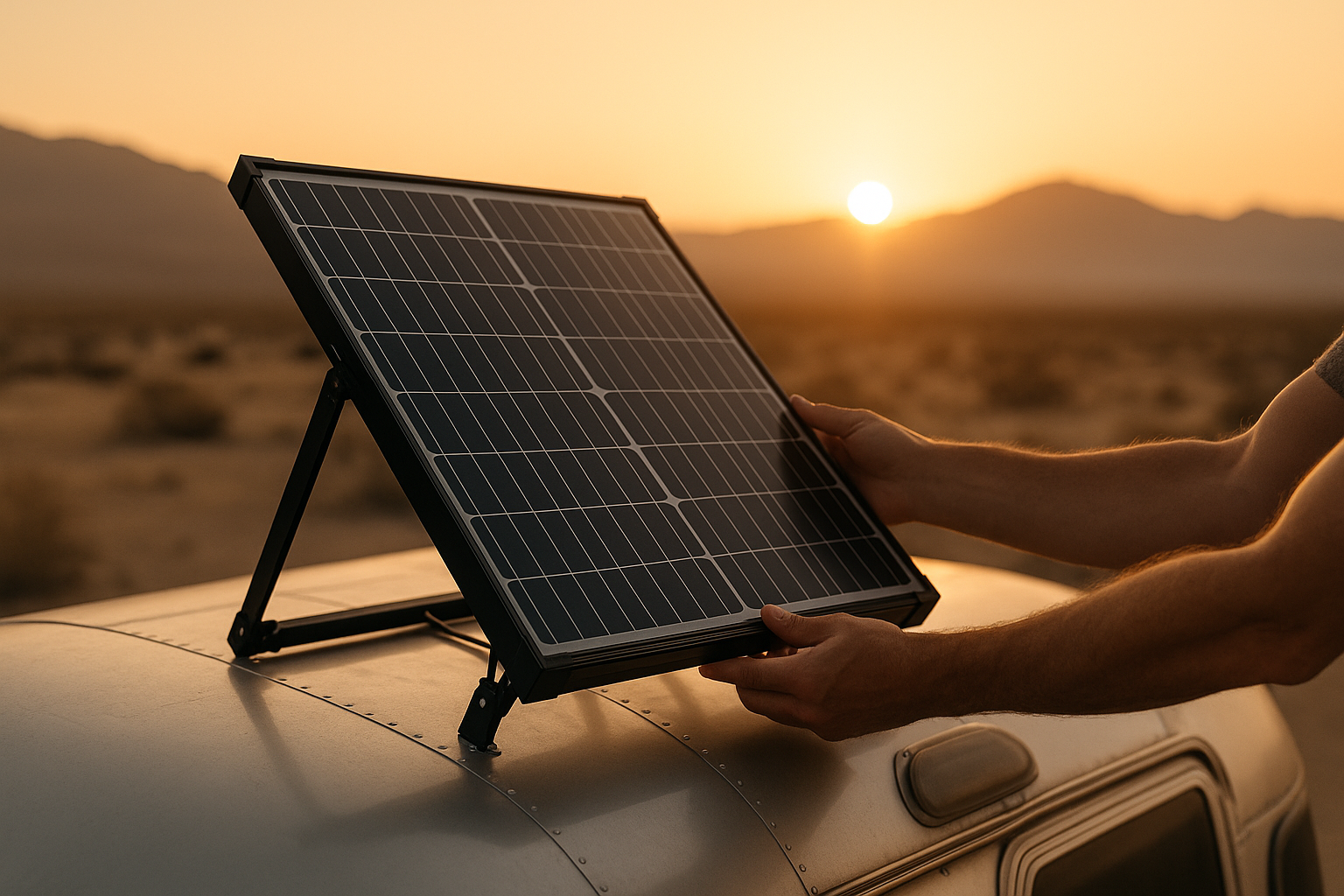
A solar generator is a portable power station plus integrated solar panels. The panels are permanently attached or designed as a matched pair. You’re buying the whole ecosystem at once—battery, inverter, and collection hardware.
The longevity question hinges on one critical factor: how the battery is used and stored. That’s where the real differences emerge.
Battery Chemistry and Cycle Life
Most portable power stations and solar generators use one of two battery chemistries:
Lithium-ion (Li-ion): Cheaper upfront, but degrades faster under stress. Typical lifespan is 500–1,000 full charge cycles (roughly 2–3 years of daily use). Owners on r/solar and r/CampingGear report noticeable capacity loss after 18–24 months of regular use, though specific thread links and sample sizes vary widely across anecdotal reports.
Lithium iron phosphate (LiFePO₄): More expensive, but dramatically more durable. Rated for 3,000–5,000+ cycles, which translates to 8–15 years of daily use. According to manufacturer spec sheets from brands like Bluetti and EcoFlow, LiFePO₄ units retain 80%+ capacity after 3,000 cycles.
Here’s the catch: a solar generator doesn’t inherently outlast a portable power station if both use the same battery chemistry. The difference comes down to how you use it.
Charging Patterns and Battery Wear
A portable power station typically sits plugged into the wall between trips. When you charge it from AC power, the battery experiences a full charge cycle each time. Over months, those cycles add up.
A solar generator with integrated panels changes the equation. If you’re using it off-grid and topping it up with sunlight throughout the day, you’re doing partial charge cycles—the battery never fully drains and never fully charges in one go. Partial cycles are gentler on any battery chemistry; they extend lifespan significantly.
Owners in sunny climates who use solar generators for daytime top-ups report less capacity fade than those charging from wall outlets on a fixed schedule, though controlled studies are limited. This advantage evaporates if you live in a cloudy climate and end up charging the solar generator from AC anyway, or if you use a portable power station with a small solar panel for partial top-ups rather than full drain-and-recharge cycles.
Thermal Management and Operating Conditions
Battery longevity also depends on temperature. Lithium batteries degrade faster when hot. A portable power station sitting in a climate-controlled home will outlast the same unit left in a hot car or tent.
Solar generators, especially those with integrated panels, are exposed to sun and heat during storage and use. If the battery compartment isn’t well-insulated or ventilated, heat buildup can accelerate degradation. Teardown reviews show that some solar generators have poor thermal design around the battery enclosure, with inadequate airflow or insulation.
A portable power station kept indoors and charged strategically will often outlast a solar generator left outside in the sun, even if the solar generator sees lighter use.
Real-World Lifespan Expectations
Portable power stations (Li-ion): 2–4 years at 1 full cycle/day in 70°F storage before noticeable capacity loss; 5–7 years before becoming unreliable. Degradation accelerates in hot environments (80°F+) or with deeper discharge patterns.
Portable power stations (LiFePO₄): 5–10 years at 1 full cycle/day in 70°F storage; some owners report 10+ years with careful management (keeping charge between 20–80% during storage, avoiding heat exposure).
Solar generators (Li-ion, integrated panels): 2–3 years if used off-grid with regular solar top-ups (0.5–1 partial cycle/day); 1–2 years if primarily charged from AC. Panel degradation (typically 0.5–0.8% per year per manufacturer specs) compounds battery decline.
Solar generators (LiFePO₄, integrated panels): 5–8 years off-grid at 0.5–1 partial cycle/day; 4–6 years if mostly AC-charged at 1 full cycle/day. Panels remain functional but lose output gradually.
The integrated panels themselves degrade over time. Per manufacturer data, most solar panels see 10–15% output loss over 5 years, which is normal and doesn’t necessarily require replacement.
Maintenance and Degradation You Can Control
For portable power stations: - Avoid storing at full charge for long periods (keep at 20–80% if you won’t use it for months). - Keep it cool and dry. - Avoid deep discharges followed by fast charges.
For solar generators: - Clean the panels regularly (dust and dirt reduce output by 5–25% per field reports). - Store in shade if possible. - Same charging habits apply to the battery.
The portable power station gives you more control over storage conditions. A solar generator’s panels are always exposed, which means you’re fighting environmental degradation by default.
Which Lasts Longer? The Honest Answer
If you use the device off-grid in a sunny climate: A LiFePO₄ solar generator will likely outlast a Li-ion portable power station, because the gentle partial-charge cycles offset the thermal exposure of the panels.
If you use the device mostly from AC power: A LiFePO₄ portable power station will outlast a solar generator, because you avoid the panel degradation and can store the battery indoors where it’s cooler.
If budget matters: A budget Li-ion portable power station will fail sooner than a budget Li-ion solar generator only if you use the solar generator off-grid. If you charge both from AC, they’ll degrade at similar rates.
The real lever: Battery chemistry matters more than form factor. A LiFePO₄ portable power station will outlast a Li-ion solar generator by years, regardless of use pattern.
Recommendations by Use Case
FAQ
Q: Can I use a portable power station while charging it from solar panels? A: Yes. Most portable power stations and solar generators support simultaneous charging and discharging. This is actually ideal for off-grid use, as it allows you to draw power while topping up from panels, creating partial charge cycles that extend battery life.
Q: What’s the warranty coverage on battery degradation? A: Most manufacturers warranty capacity retention at 80% for 2–3 years (Li-ion) or 3–5 years (LiFePO₄). Bluetti and EcoFlow typically cover 80% capacity retention for 3 years on LiFePO₄ units. Check the specific product warranty, as coverage varies and degradation beyond the warranty period is typically not covered.
Q: Should I keep my portable power station charged or discharged when not using it? A: Keep it at 20–80% charge. Storing at 100% or 0% for months accelerates aging. Per manufacturer guidance, a 50% charge state is ideal for long-term storage.
Q: Can I replace the battery in a portable power station or solar generator? A: Rarely. Most units are sealed. Some brands (like Bluetti) offer battery module replacements for larger systems, but smaller units are typically not user-serviceable.
Q: Will a solar generator last longer if I never discharge it fully? A: Yes. Partial discharge cycles extend lifespan significantly compared to full drain-and-recharge cycles. This is one advantage of off-grid use, where you top up throughout the day rather than deplete and recharge.
The Bottom Line
A solar generator doesn’t automatically outlast a portable power station. Longevity depends on battery chemistry (LiFePO₄ beats Li-ion), how you charge it (gentle partial cycles beat full drain-and-recharge), and where you store it (cool and dry beats hot and exposed).
If you’re buying for durability, prioritize LiFePO₄ chemistry over integrated panels. A LiFePO₄ portable power station you keep indoors will outlast a Li-ion solar generator left in the sun by years. If you want integrated solar and longevity, spend the premium for a LiFePO₄ solar generator and keep it out of direct sun when not in use.