Lightweight Emergency Gear for Van Life Under 50 Lbs

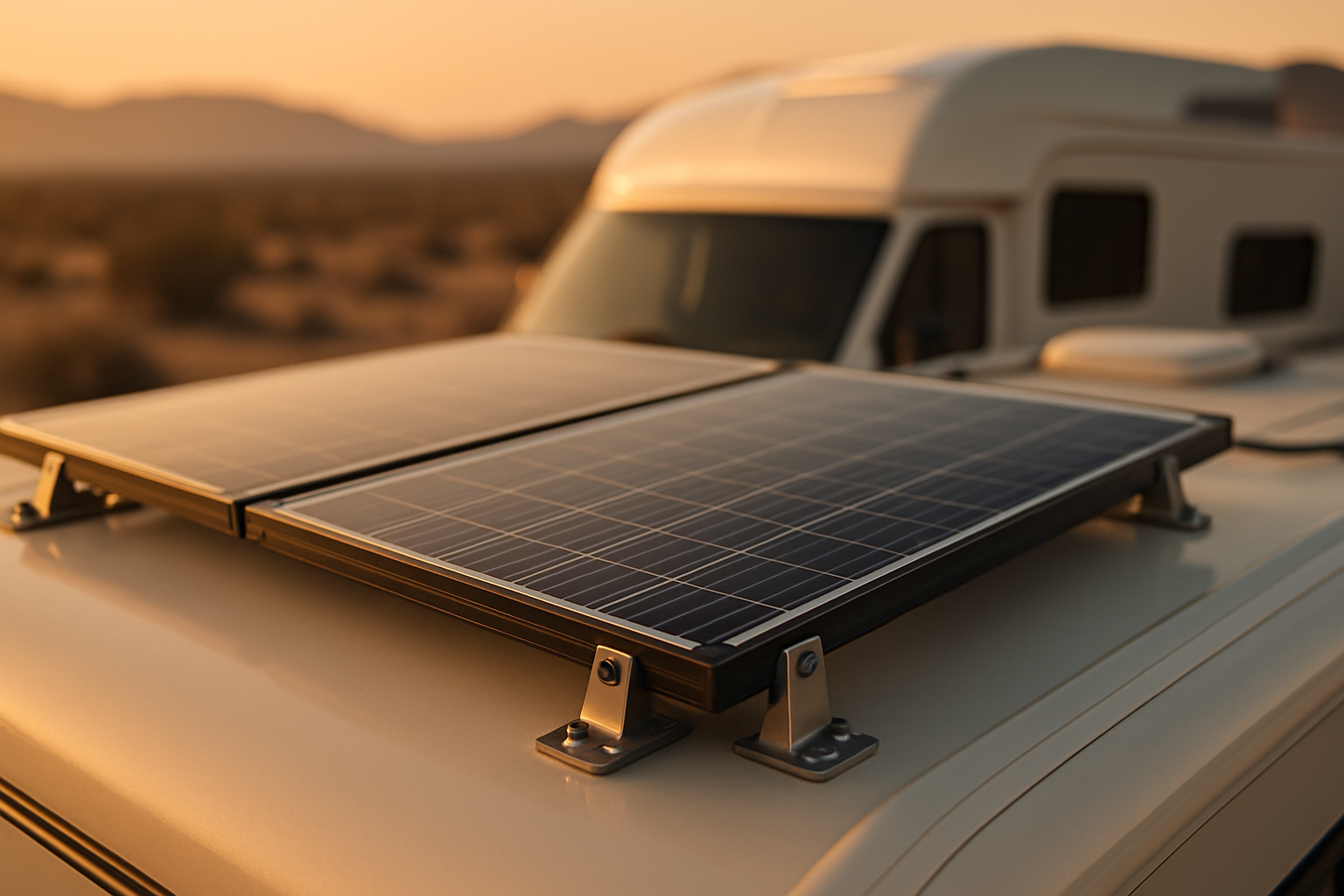
Photo by Anthony Duran on Unsplash
Lightweight Emergency Gear for Van Life: What Actually Fits
Van life means living in tight quarters where every pound counts. An emergency kit doesn’t have to be a 100-lb storage box bolted to your cargo area—it can be a lean, purposeful collection of tools, power, and supplies that weighs under 50 lbs total and actually gets used instead of forgotten in a back corner.
This guide covers the gear that van lifers actually reach for when things go wrong: power solutions, medical supplies, mechanical tools, and communication devices. All of it fits in a mid-size storage tote or distributed across your van without eating your payload.
Why Van Life Emergency Kits Are Different
Traditional RV emergency kits are built for stationary rigs with unlimited cargo space. Van life is different. You’re mobile, often remote, and your vehicle is also your shelter—which means your emergency kit has to do double duty: keep you safe and keep your van running.
Weight matters because every pound reduces your payload capacity for fuel, water, food, or other supplies. A 10-lb power station versus 10 gallons of water means choosing between 2 days of boondocking with full power or 1 day with adequate hydration—a real trade-off. Space matters because a cramped van means every cubic inch is already spoken for. The gear here prioritizes:
- Dual-use items (a multi-tool that also opens cans, a power bank that charges lights)
- High reliability (no single-use gadgets that fail when you need them)
- Minimal redundancy (one good flashlight instead of three mediocre ones)
- Actual van-life scenarios (breakdowns, power loss, minor injuries, communication gaps)
Power & Charging: The Core of Van Emergency Prep
Power outages and dead batteries are the most common van emergencies. Unlike a house with a grid connection, your van’s power system is your emergency power system.
A quality power bank rated for at least 20,000 mAh serves as your phone and communication lifeline when the van’s battery is depleted. Look for models with both USB-A and USB-C outputs so you’re not dependent on a single connector type. The Anker 737 Power Bank (25,000 mAh, 520g) is a solid mid-tier option—light enough to carry, large enough to charge a phone 4–5 times per full cycle.
If your van has a 12V system, a compact car jump starter (around 1.5 kg) is worth the weight. These devices can restart a dead engine without needing another vehicle, and most modern units also function as power banks for phones. The NOCO Genius Boost Plus GB40 holds a charge for 6–12 months in standby per manufacturer specs, so it’s genuinely ready when you need it.
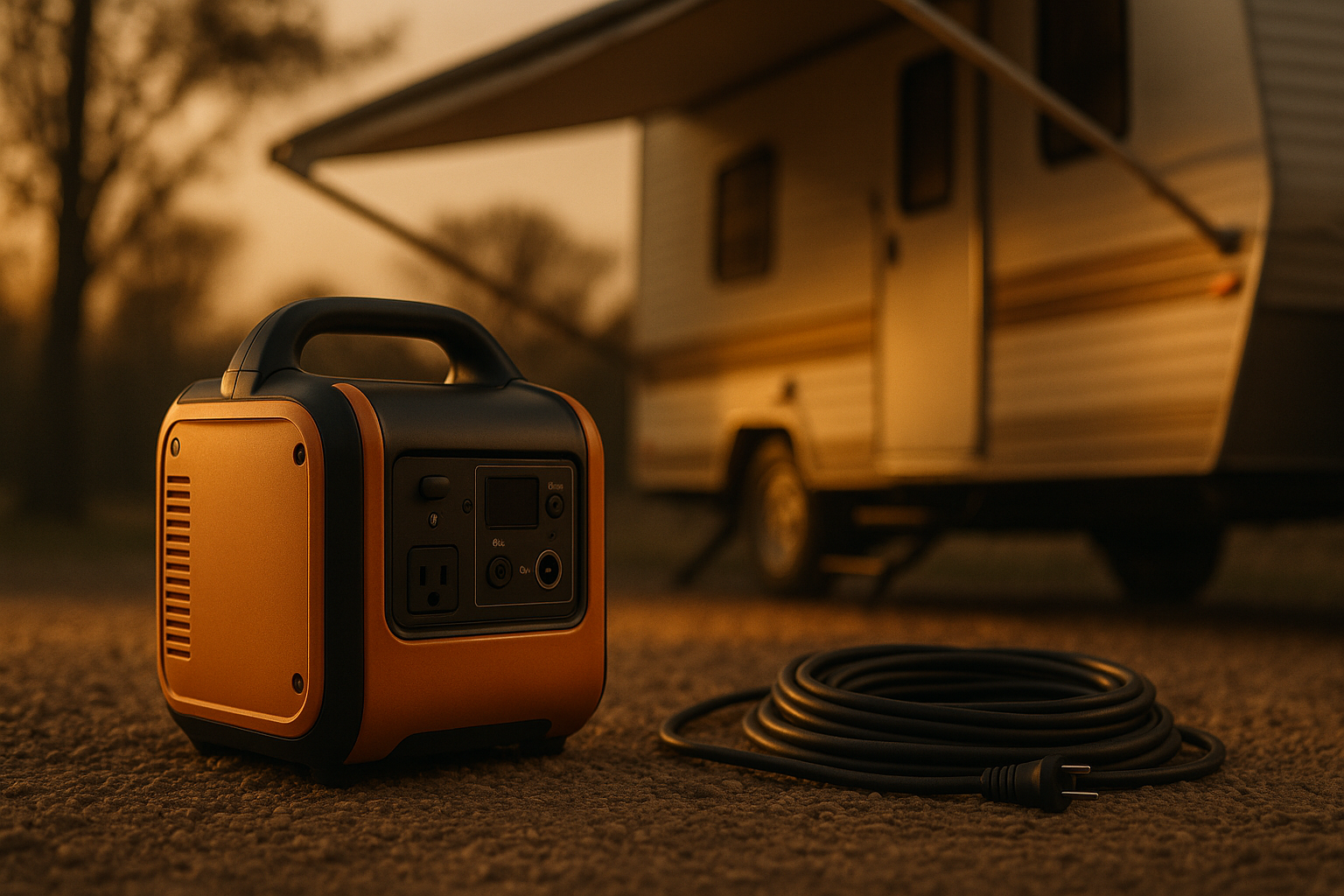
For longer outages, a small portable power station (under 5 kg) bridges the gap between a power bank and a full solar setup. Models in this category typically hold 200–500 Wh of capacity—enough to run a small fan, charge multiple devices, or power a CPAP machine for a night. See Best Portable Power Stations for RVs: Boondocking & Off-Grid Guide for deeper guidance on sizing.
Sample power build: Anker 737 (8 oz) + NOCO Genius Boost Plus GB40 (1.5 lbs) + Jackery Explorer 100 (2.2 lbs) = 4.2 lbs
First Aid & Medical Supplies
Minor injuries happen: cuts, sprains, headaches, stomach trouble. Major injuries are rare, but you need to be able to stabilize and communicate until help arrives.
A pre-assembled first aid kit designed for outdoor use (not a bathroom cabinet kit) includes:
- Sterile gauze, tape, and elastic bandages
- Antibiotic ointment and pain relief (ibuprofen, acetaminophen)
- Antihistamine and antacid tablets
- Tweezers and small scissors
- Blister treatment and moleskin
- Antibiotic tablets (in case of infection risk in remote areas)
Buy a kit that comes in a compact pouch rather than assembling your own—the weight is similar, but a pre-assembled kit is more likely to be complete and organized. A quality outdoor first aid kit weighs 300–500 grams and costs less than buying items separately.
Add a personal medication supply (prescription or over-the-counter) in a waterproof container, plus a copy of any relevant medical info or allergy list. Keep it accessible, not buried under other gear.
Weight so far: ~0.5 kg (1.1 lbs)
Tools & Mechanical Repair Gear
Your van’s alternator, serpentine belt, or water pump can fail anywhere. You don’t need a full mechanic’s toolkit, but you do need the ability to limp to a repair shop or make a temporary fix.
The Leatherman Signal (227g) is a purpose-built multi-tool for outdoor and vehicle work, with pliers, knife, screwdrivers, and a hammer—it handles 80% of small mechanical problems.
Add:
- Adjustable wrench (200 g) — fits most bolt sizes
- Jumper cables or portable jump starter (already counted above)
- Spare serpentine belt (100 g) — your van’s specific model; takes up minimal space
- Spare radiator hose clamps (50 g) — a burst hose is a common breakdown
- Duct tape (50 g) — wrap a small amount around a card rather than carrying a full roll
- WD-40 or penetrating oil spray (200 g) — helps free stuck fasteners
- Flashlight or headlamp (100–200 g) — essential for roadside work
- Spare fuses and relays (50 g) — specific to your van’s electrical system
Per long-running threads on r/vandwellers, the most-used items are the multi-tool, duct tape, and flashlight. The spare belt and hose clamps prevent most breakdowns that would otherwise strand you.
Weight so far: ~1.5 kg (3.3 lbs)
Communication & Navigation
When you’re off-grid or in an area with spotty cell service, communication gear becomes critical.
- Fully charged phone (obvious, but often overlooked) — keep it in airplane mode to preserve battery when not in use
- Power bank (already counted)
- Backup charger cable (30 g) — USB-C and Lightning or micro-USB, depending on your devices
- Offline maps (free, via Google Maps or AllTrails downloaded to your phone) — no weight cost, but essential
- Two-way radio or satellite communicator (optional, 200–500 g) — if you regularly boondock in areas with no cell service, the Garmin inReach Mini 2 works in remote areas without cell coverage and allows two-way messaging, while the Midland GMRS radio is better for group communication within 25 miles and doesn’t require a subscription
For most van lifers, a phone + power bank + offline maps covers 95% of navigation and communication needs. Satellite communicators are insurance for remote travel, not daily essentials.
Weight so far: ~0.2 kg (0.4 lbs) for cables; add 200–500 g if you carry a two-way radio
Water & Hydration
Dehydration is a real risk, especially if you’re stranded or dealing with an injury. Carry more water than you think you need.
- 2–3 liters of drinking water in your van at all times (2–3 kg)
- Water purification tablets or a lightweight filter (100 g) — if you need to refill from uncertain sources
- Collapsible water containers (200 g for a 10-liter bag) — lets you haul water if your tank fails
Per owner reports, water is heavy but non-negotiable. The weight is worth it.
Weight so far: ~2.5–3.5 kg (5.5–7.7 lbs)
Fire Safety & Ventilation
Van fires are rare but catastrophic. Carbon monoxide poisoning is more common and harder to detect.
- Fire extinguisher (1–2 kg) — rated for vehicle fires (Class B or C); mount it within arm’s reach of the driver
- Carbon monoxide detector (100 g) — battery-powered, goes off if you run a generator or heater in an unventilated space
- Smoke detector (100 g) — battery-powered
Mount the fire extinguisher visibly. Store the detectors where they’ll actually alert you (not in a drawer).
Weight so far: ~1.5 kg (3.3 lbs)
Shelter & Weather Protection
If your van becomes uninhabitable (engine fire, severe leak, or you need to abandon it for safety), you need backup shelter.
- Emergency bivvy or lightweight tarp (200–500 g) — a space blanket weighs almost nothing but provides minimal insulation; a small tarp (2×3 m) is heavier but actually useful
- Sleeping bag rated for your region’s coldest season (800 g–2 kg depending on fill) — this might already be in your van as regular bedding
- Thermal layers or emergency blanket (100–200 g) — if you don’t have a sleeping bag
Most van lifers already carry bedding. The emergency tarp is the add-on that actually prevents exposure.
Weight so far: ~0.5–1 kg (1.1–2.2 lbs) for tarp and emergency blanket
Documents & Information
Carry copies of:
- Vehicle registration and insurance card (10 g)
- Driver’s license and ID (10 g)
- Medical information (allergies, medications, emergency contacts) (10 g)
- Van maintenance records (optional, but helpful for roadside repairs) (20 g)
- Proof of roadside assistance membership (AAA, etc.) (10 g)
Store these in a waterproof pouch. Total weight: negligible.
Assembling Your Kit: The Actual Checklist
Here’s how to organize everything into a kit that weighs under 50 lbs and fits in your van:
- Power tier (4–5 lbs): Anker 737 power bank, NOCO Genius Boost Plus GB40, Jackery Explorer 100
- Medical tier (1 lb): first aid kit + personal meds
- Tools tier (3–4 lbs): Leatherman Signal, wrench, spare belt, duct tape, flashlight
- Communication tier (0.5 lbs): cables, offline maps (phone)
- Water tier (6–8 lbs): drinking water + purification
- Fire safety tier (3–4 lbs): extinguisher, detectors
- Shelter tier (1–2 lbs): tarp, emergency blanket
- Documents tier (0.1 lbs): waterproof pouch with copies
Total: ~21–32 lbs, well under 50 lbs, with room for regional additions (extra layers for cold climates, insect repellent for summer boondocking, etc.).
Store the kit in a single mid-size plastic tote or distribute it across your van in logical locations: power gear near your electrical panel, tools near the engine compartment, first aid in the cabin, water in easy-access storage.
For deeper guidance on building a complete emergency kit, see How to Build an Emergency Kit for Your RV: Complete Checklist.
Integrating Power Solutions Into Your Emergency Kit
Your emergency power setup is only as good as your daily power system. If you’re already running solar panels and a portable power station for daily use, those are your emergency backup. See Van Life Power Setup: Portable Stations, Solar & Inverters Explained for how to size a system that covers both daily needs and emergencies.
If you’re not running solar yet, a small portable power station (200–500 Wh) is the most practical emergency power addition. It charges from your van’s 12V system while driving, and it’s ready to run lights, charge phones, or power critical devices if your main battery fails.
For comparison of portable power options, see Best Portable Power Station for Camping Under $1000 in 2026.
FAQ
Q: What’s the shelf life of water purification tablets? A: Most water purification tablets (iodine or chlorine dioxide) remain effective for 4–5 years if stored in a cool, dry place in their original sealed container. Check the expiration date on the package and replace them if expired. Boiling water is always a backup option if tablets expire.
Q: Should I carry a generator as part of my emergency kit? A: A full gas generator (20+ kg) is overkill for van life unless you’re stationary for long periods. A portable power station is lighter, quieter, and easier to manage. See Portable Power Station vs Gas Generator: Which Backup Power Wins? for the trade-offs.
Q: What if I’m traveling in cold climates? A: Add insulated layers (thermal underwear, down jacket) and a sleeping bag rated for the coldest season you’ll encounter. Cold-weather van emergencies are often about preventing hypothermia, not just staying dry.
Q: Can I use my regular camping gear as my emergency kit? A: Partly. If you already carry a sleeping bag, first aid kit, and flashlight for camping, those items count. The emergency kit is the additional gear for scenarios where your van is compromised (breakdown, fire, etc.). Don’t skip the fire extinguisher and carbon monoxide detector.
Q: How do I know if my power bank is actually charged? A: Check it monthly. Most power banks have LED indicators or a button to test charge level. A power bank that’s sat unused for 6 months may have lost 10–20% of its charge naturally—top it off before a long trip.
Closing: The Kit You’ll Actually Use
The best emergency kit is the one you maintain and actually carry. A 50-lb limit forces you to prioritize: power, water, medical, tools, communication, and shelter. Everything else is secondary.
Van life emergencies are usually mundane—a dead battery, a cut that needs cleaning, a belt that frays. Your kit should handle those 95% of situations. For the 5% of true disasters (major accident, vehicle fire), your communication gear and knowledge matter more than gear weight.
Build your kit now, test each item once, and then check it twice a year. Keep it in your van, not at home. The kit you have with you is infinitely better than the perfect kit you left behind.