Portable vs Standby Generator: Which Backup Power is Right for You?

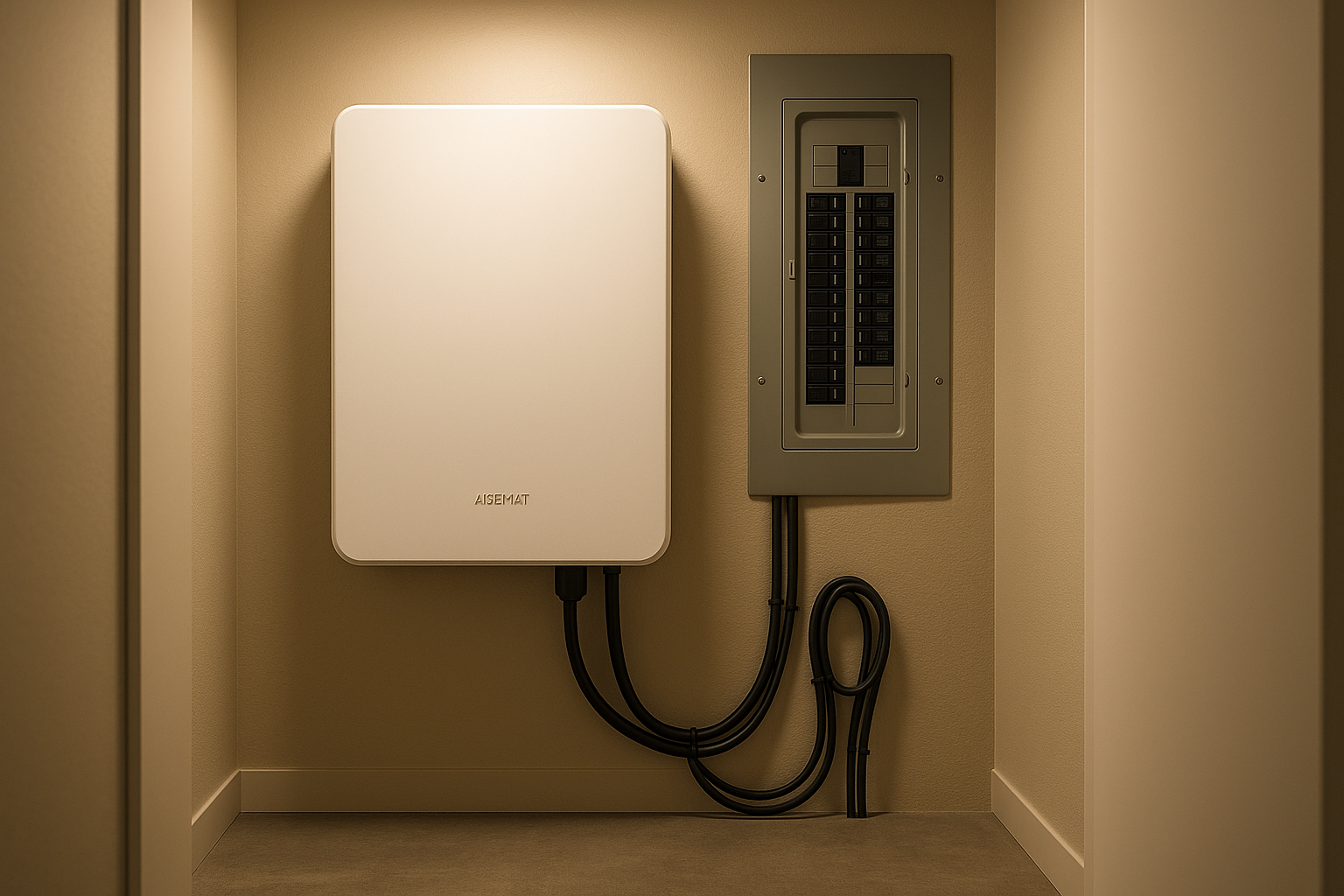
Photo by Jackery Power Station on Unsplash
Portable vs Standby Generator: Which Backup Power is Right for You?
When the power goes out, you’re facing a choice: grab a portable unit you can move around, or install a permanent standby system that kicks in automatically. Portable generators require manual startup and fuel management; standby generators start automatically and run on utility gas or propane. The right answer depends on your space, budget, and how long you need to stay powered up.
The Core Difference
Portable generators are self-contained units you buy once and move as needed. You fuel them, start them manually (or via remote on newer models), and they run until you turn them off or refuel. Examples include the Honda EU2200i (2,200 watts, 50 lbs) and Champion 3100-watt models. Most weigh between 50–200 lbs and produce 2,000–15,000 watts.
Standby generators are permanently installed outside your home or business, connected directly to your electrical panel. They run on natural gas or propane from your existing utility line or tank, and they start automatically when power fails. Popular models include the Generac PWRcell (modular, 7,500–15,000 watts) and Kohler Whole Home systems (16,000–38,000 watts). Most produce 10,000–20,000+ watts and cost significantly more upfront but require no human intervention.
The choice isn’t “better” or “worse”—it’s about fit. A portable unit makes sense if you move frequently, rent, or need occasional backup. A standby system wins if you want automatic protection for a fixed home and can justify the installation cost.
Portability & Installation
Portable generators live in your garage, shed, or truck bed. When a storm hits, you roll it outside, plug in extension cords, and start the engine. No installation required. You can also take one camping, to a job site, or to an RV. This flexibility is the core appeal.
The tradeoff: you have to remember to fuel it before an outage, keep it in working order, and be home (or nearby) to start it. If you’re away during a blackout, a portable unit does nothing.
Standby generators bolt to a concrete pad next to your house and connect to your home’s electrical panel via a transfer switch. A licensed electrician must handle this—it’s not a weekend DIY job. Installation typically takes one to three days and involves trenching for gas lines if you’re not already connected to natural gas.
Once installed, the system is hands-off. It monitors your power supply 24/7 and automatically starts within seconds of an outage. You can be anywhere; the generator protects your home whether you’re there or not.
Fuel & Runtime
Portable generators run on gasoline, propane, or diesel. Gasoline models are cheapest to buy but require fresh fuel every 3–6 months (old gas gums up carburetors). A typical 5,000-watt portable like the Champion 5500-watt model burns roughly 0.5–1 gallon per hour under load per manufacturer specs, so a 5-gallon tank lasts 5–10 hours. Propane portables avoid the stale-fuel problem—propane stores indefinitely—and are quieter. Diesel portables are efficient and durable but heavier and louder.
You must store fuel safely, rotate stock, and have it on hand before an outage. Many people buy portable generators but then neglect fuel maintenance, rendering them useless when needed.
Standby generators connect to your natural gas line or propane tank. If you’re on municipal gas, your supply is effectively unlimited (the utility handles logistics). If you use propane, you’ll need a tank sized for your usage—a typical home might use 10–20 gallons per week during extended outages.
Standby systems are far more convenient: you don’t buy or store fuel, and you don’t worry about degradation. The generator runs as long as gas is available. During a multi-day outage, a standby unit keeps your home running indefinitely (barring a gas supply disruption, which is rare).
Power Output & Load Capacity
Portable generators typically produce 2,000–15,000 watts. A 5,000-watt unit can power essential appliances: refrigerator, some lights, a laptop, and a phone charger. A 10,000-watt portable can add an air conditioner or electric heater, but not both simultaneously.
Matching your load to the generator’s capacity is critical. Overloading a portable causes it to shut down or damage internal components. Most owners run a few essential circuits, not the whole house.
Standby generators produce 10,000–20,000+ watts, enough to power most or all of a typical home. A 16,000-watt unit can run your HVAC, refrigerator, water heater, and lighting simultaneously without strain. Larger models support whole-house coverage.
A transfer switch ensures you don’t backfeed power into the utility grid (a safety hazard), and it lets you prioritize loads if needed. You get the comfort of near-normal living during an outage, not just survival mode.
Noise & Neighbor Relations
Portable generators are notoriously loud: 70–100+ decibels depending on model and load. That’s roughly as loud as a lawn mower or busy traffic. The Champion 3100-watt model runs at 74 dB, while larger units like the DuroMax 12,000-watt exceed 90 dB. Inverter portables (which produce cleaner power for sensitive electronics) are quieter, typically 50–70 dB, but still audible.
If you live in an apartment, HOA, or close-knit neighborhood, noise is a real liability. Quieter alternatives like the Honda EU2200i (49 dB) exist but cost more and produce less power.
Standby generators are quieter than portables: typically 60–80 decibels at 25 feet. They’re still audible, but the sound is more like a distant truck than a chainsaw. Many are housed in acoustic enclosures that drop noise further.
Still, a standby unit running at 3 a.m. during an outage will be heard. Check local noise ordinances before installation; some municipalities restrict generator operation during certain hours.
Maintenance & Reliability
Portable generators require seasonal maintenance: drain old fuel, change the oil, replace the spark plug, and run them monthly to keep the engine healthy. Many owners skip this, then are shocked when their generator won’t start after months of storage.
Gasoline models are especially prone to carburetor gunk. Propane and diesel models are more forgiving but still need occasional attention. Parts are inexpensive and widely available, and repairs are straightforward if you’re mechanically inclined.
Standby generators need annual professional maintenance: oil and filter changes, load testing, and fuel system inspection. This per year but is less frequent and more thorough than portable upkeep.
Standby units are built for durability and run less often than portables, so they typically last 15–20+ years with proper care. Portable generators often last 5–10 years before engine wear becomes noticeable.
Cost Breakdown
Portable generators range from for a 2,000-watt unit to for a 10,000-watt inverter model like the Champion 3100-watt or Honda EU3000i. Fuel and maintenance add modest ongoing costs ( annually for fuel storage and oil changes).
Standby generators for the unit itself (mid-range models like the Generac 16,000-watt), with installation adding + depending on gas line work and electrical complexity. Annual maintenance runs.
Over 10 years, a standby system+ total; a portable with fuel and maintenance. A standby is more expensive overall, but you get automatic protection and peace of mind. A portable is cheaper upfront but requires discipline to maintain and operator intervention during outages.
Best Use Cases
Choose a portable generator if: - You rent or move frequently (best for renters and frequent movers). - You need backup power occasionally for camping, job sites, or RVs. - You live in an apartment or HOA with installation restrictions. - Your budget is. - You’re willing to maintain fuel and perform manual startup.
Choose a standby generator if: - You own your home and plan to stay 5+ years. - You want automatic, hands-off protection (best for homes in areas with 5+ outages annually). - You can afford + upfront installation costs. - You want to power most or all of your home during an outage. - You value peace of mind and don’t want to manage fuel or startup.
Hybrid Approach
Many homeowners use both: a standby system for whole-house automatic backup, plus a portable for flexibility and emergencies. The standby handles routine outages; the portable serves as a secondary backup or for outdoor use.
If a standby system is out of reach financially, start with a quality portable and upgrade later. If you’re considering a standby, How Much Backup Power Do You Actually Need? Wattage Calculator Guide will help you size the right capacity.
FAQ
Q: Can I use a portable generator indoors? A: No. Never run a portable generator inside a home, garage, basement, or enclosed space. Portable generators produce carbon monoxide, a colorless, odorless gas that kills within minutes. Always operate outdoors, at least 20 feet from windows and doors.
Q: What’s the difference between a transfer switch and a manual disconnect? A: A transfer switch automatically routes power from the generator to your home’s electrical panel when utility power fails, then switches back when power returns. A manual disconnect requires you to physically flip a switch to connect or disconnect the generator. Standby systems use automatic transfer switches; portable generators typically use manual disconnects or plug directly into outlets via extension cords.
Q: Can I run a portable generator in the rain? A: No. Water and electricity are dangerous together. Never operate a portable generator in rain, snow, or wet conditions. If you must use one during wet weather, build a canopy or shelter that protects the unit from moisture while allowing exhaust to vent away from you and your home.
Q: Do I need a permit to install a standby generator? A: Yes, in most areas. You’ll need electrical and building permits, and a licensed electrician must handle the work. Permits ensure the system meets code and integrates safely with your home’s electrical panel. Costs are included in installation estimates.
Q: Can a portable generator power my whole house? A: Rarely. Most homes use 10,000–20,000+ watts when multiple appliances run simultaneously. A portable rarely exceeds 15,000 watts, and running at full capacity continuously stresses the engine. Plan to power essential circuits only: refrigerator, lights, heating/cooling, and communications.
Summary
Portable and standby generators serve different needs. Portables are affordable , flexible, and perfect for renters or occasional use—but they demand maintenance and manual intervention. Standby systems are expensive upfront (+ installed) but provide automatic, whole-house protection that runs as long as fuel lasts.
Your choice depends on your home, budget, and outage frequency. If you own your home and want peace of mind, a standby system justifies the cost. If you move often or need flexibility, a portable is the practical choice. Many homeowners find value in both: a standby for daily protection and a portable for emergencies and outdoor adventures.
For more on sizing your backup power needs, see How Much Backup Power Do You Actually Need? Wattage Calculator Guide. If noise is a concern, Best Quiet Generators for Home Backup Power 2026 reviews low-noise models under 70 dB. And if you’re exploring alternatives to fuel-based generators, Best Battery Backup for Home Power Outages 2026 covers battery and solar options.