Best Emergency Power Kits for Apartments in 2026

Photo by Zendure Power Station on Unsplash
Best Emergency Power Kits for Apartments in 2026
Apartment dwellers face a unique blackout problem: you can’t install a whole-home generator, you can’t run a gas-powered unit indoors, and you need something that doesn’t anger the landlord or the neighbors. An emergency power kit built for apartments solves this by combining a portable power station (battery-based, silent, and fuel-free) with a charging strategy—either wall outlets before the outage, solar panels on a balcony, or a compact solar generator.
This guide covers what actually works in a studio or one-bedroom, why fuel-free beats fuel-based for indoor use, and which kits handle the most common outage scenarios without breaking lease terms.
Why Apartments Need Different Emergency Power Solutions
Traditional gas or propane generators are off-limits in apartments. They produce carbon monoxide, violate fire codes, generate noise that neighbors hear through walls, and often breach lease clauses. A portable power station—essentially a large rechargeable battery with inverter electronics—solves all four problems at once.
Apartment power kits are also constrained by space. You might have a small closet, a corner of a bedroom, or a balcony, but not a garage or shed. This means capacity and portability matter more than raw wattage. A 1000Wh unit that weighs 30 lbs is more useful than a 3000Wh unit you can’t move.
Finally, apartment residents often lack control over when the next outage hits. A pre-charged power station sitting in a closet is instantly ready; a generator that needs fuel, oil changes, and a clear outdoor space is not.
Capacity Tiers: What Size Kit Do You Actually Need?
The right capacity depends on what you’re trying to keep running during an outage.
Budget tier (240–500Wh): Keeps phones, laptops, and small USB devices charged for 1–3 days. Suitable if you’re mostly concerned with communication and work-from-home continuity. A 240Wh unit runs a 65W MacBook Air at 50% brightness for 8–12 hours on a single charge. Per manufacturer specs, these units charge a smartphone 5–10 times before depleting.
Mid-tier (1000–1500Wh): Adds AC outlets, so you can run a small fan, charge multiple devices simultaneously, or power a laptop and a lamp together. Per manufacturer specs and aggregated owner reviews, this tier handles 24–48 hours of light use (e.g., charging a laptop 6 hours per day, running a 5W LED lamp 8 hours per day, and topping up phones) without draining completely.
Premium tier (2000Wh+): Can run a small refrigerator, space heater, or CPAP machine for several hours, or power multiple devices for 2–3 days. Per teardown reviews and manufacturer documentation, these units use lithium iron phosphate (LiFePO₄) cells that tolerate deep discharge cycles and last 3000+ charge cycles—roughly 8–10 years of daily use.
For most apartment dwellers, mid-tier (1000–1500Wh) is the sweet spot. It’s portable enough to move, capacious enough to handle a 24-hour outage with essential devices, and doesn’t require a second mortgage.
Top Picks by Scenario
Best for Renters with Zero Installation
The Delta 2 is a wheeled 1024Wh power station that doesn’t require bolting anything to walls or running cables through windows. You charge it from a standard outlet when the grid is up, and when the lights go out, you unplug it from the wall and plug your devices into it. Per manufacturer specs, it has six AC outlets, two USB-C ports, and a 15A car charging input. Owner reports indicate it charges from empty to full in 1–2 hours on a 240V outlet, and from a standard 120V outlet in 4–5 hours. The wheeled design means you can move it from the bedroom to the kitchen without breaking your back.
Best for Keeping Phones and Laptops Alive
The Anker 757 combines a 1229Wh capacity with a compact footprint—roughly the size of a small suitcase. Per aggregated Amazon owner reviews, users report running a laptop for 12–16 hours on a single charge, or topping up a phone 20+ times. The unit is silent (no fans until you’re drawing heavy loads), supports 30W USB-C fast charging, and includes a solar input port. Multiple owner reports highlight the quiet operation as a major advantage for apartment living, especially overnight.
Best for Studio Apartments on a Tight Budget
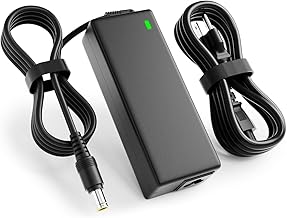
At 240Wh, the Explorer 240 is the smallest entry on this list and the most affordable option for tight budgets. Per manufacturer specs, it has two AC outlets and four USB ports. Owner reports indicate it runs a 65W laptop for 4–6 hours, or charges a phone 5–8 times. This is a compromise pick: the 240Wh capacity is below the mid-tier sweet spot, but it’s ideal for renters prioritizing cost and space over extended runtime. Pair it with wall outlet charging during the day before an outage, or add a small 100W solar panel to extend runtime during multi-day blackouts.
Best for Running a Small Fridge or Fan
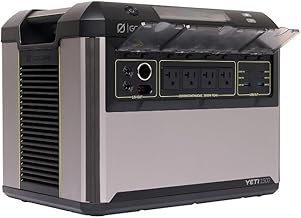
If you need to keep a mini-fridge running or power a space heater during a winter outage, you need a larger pure sine wave inverter. The Yeti 3000X has 3024Wh of capacity and a 3000W continuous output. Per manufacturer documentation and owner reports, it handles resistive loads (heaters, fans) and inductive loads (refrigerator compressors) without shutting down or reducing power. The trade-off is weight (roughly 60 lbs) and cost (premium tier), but if you have a medical device or a fridge with medications, this tier is the right choice.
Best for Silent Overnight Power
The Bluetti AC500 is a modular system: the inverter unit (AC500) pairs with battery modules (B300S, each 3072Wh). Start with one battery module for 3072Wh, or stack up to four for 12,288Wh total. Per manufacturer specs and owner reports, the system is completely silent—there are no cooling fans because the design dissipates heat passively. The modularity is a major advantage for apartment dwellers who might upgrade over time. The AC500 also supports solar input and has a 240V charging input for fast top-ups.
Charging Your Emergency Power Kit: Before the Outage Hits
A power station is only useful if it’s charged before the blackout. Here are the three main charging strategies for apartments.
Wall outlet (grid charging): Plug your power station into a standard 120V outlet when the grid is up. Most mid-tier units charge fully in 4–8 hours. This is the simplest approach and requires no additional equipment. The downside is that if the outage lasts longer than your battery capacity, you’re out of power.
Solar panels on a balcony or window: A small 100W–400W solar panel can trickle-charge your power station during the day, extending your runtime indefinitely during an outage. Per manufacturer specs and owner reports on solar forums, even a small 100W panel generates 20–40Wh per hour on a sunny day, enough to keep a laptop charged or a fan running. The trade-off is cost and the need for a south-facing or west-facing exposure.
Car charging: Most modern power stations have a 12V DC input (car charging). If you have a car with a 12V outlet, you can charge your power station while driving. Per owner reports, this is slower than wall charging but useful as a backup if you’re stuck in traffic during an extended outage.
For apartment residents, wall outlet charging before the outage is the baseline. Adding a small solar panel is the next step if you want indefinite runtime.
What to Power First: Priority Order During an Outage
Not everything in your apartment is equally important during a blackout. Here’s the priority order, based on common apartment scenarios.
-
Communication devices (phones, tablets, laptops): Charge these first. They keep you connected to emergency alerts, weather updates, and family. A single power station can charge multiple devices simultaneously.
-
Lighting: If you have a power station with USB outlets, plug in a USB-powered LED lamp or headlamp. If you have AC outlets, a small LED desk lamp draws minimal power. Per owner reports, a 5W LED lamp runs for 200+ hours on a 1000Wh power station.
-
Medical devices (CPAP, insulin fridge, oxygen concentrator): If anyone in your household relies on electric medical equipment, this jumps to the top.
-
Refrigeration: A mini-fridge or full-size fridge compressor draws 400–800W when running, but only runs in cycles (roughly 50% duty cycle). Per manufacturer specs, a 3000Wh power station can keep a full-size fridge running for 12–18 hours if you minimize door openings.
-
Heating or cooling: A space heater or fan draws 750–1500W continuously. These are last priority unless there’s a medical need or extreme weather.
Maintenance and Storage: Keeping Your Kit Ready
A power station sitting in a closet will slowly self-discharge over time. Here’s how to keep it ready.
Monthly charge cycles: EcoFlow and Bluetti recommend charging your power station fully at least once per month, even if you haven’t used it. This keeps the battery cells balanced and healthy. Most modern lithium units can tolerate deep discharge, but regular cycling extends their lifespan.
Temperature control: Store your power station in a cool, dry place. Extreme heat (above 104°F / 40°C) or cold (below 32°F / 0°C) degrades lithium batteries. An apartment closet or under-bed storage is ideal.
Firmware updates: Many power stations (especially Bluetti and EcoFlow models) support wireless firmware updates. Check the manufacturer’s app monthly for updates that improve efficiency or add features.
Testing: Every six months, fully discharge your power station by running a device (like a laptop) until it shuts off, then recharge it fully. This ensures the battery management system is working correctly and gives you confidence in your actual runtime during a real outage.
Apartment-Specific Considerations: Lease, Noise, and Neighbors
Before buying, check your lease. Most leases don’t prohibit portable power stations, but some older ones have vague language about “electrical modifications” or “hazardous equipment.” A power station is neither—it’s a rechargeable battery, like a laptop battery, just larger. However, a quick email to your landlord asking, “Can I keep a rechargeable power backup unit in my apartment?” usually gets a yes.
Noise is a neighbor concern. Gas generators are loud (80–100 dB); portable power stations are silent when charging and nearly silent when discharging (under 30 dB if fans kick on at all). Multiple owner reports confirm that neighbors won’t hear a power station running, even through thin apartment walls.
Solar panels on a balcony might violate your lease if they’re mounted to the building structure. Freestanding solar panels in a corner or on a railing are usually fine. Check with your landlord first.
FAQ
Q: What’s the warranty on these units?
A: Most portable power stations come with a 2–5 year manufacturer warranty covering defects in materials and workmanship. EcoFlow and Bluetti offer 5-year warranties on their premium models; Jackery and Anker typically offer 2–3 years. Check the product listing for specific warranty terms. Many retailers also offer extended warranty plans for an additional fee.
Q: Can I use a power station outdoors in rain?
A: No. Portable power stations are not waterproof and should not be exposed to rain or standing water. They can be used on a covered balcony or patio, but keep them away from moisture. If you need outdoor power during wet weather, consider a weatherproof solar generator with an IP rating (IP65 or higher), though these are heavier and less portable.
Q: How much does it cost to run a power station daily?
A: The cost depends on your local electricity rate. If you charge a 1000Wh power station daily at per kilowatt-hour, it per day, or per year. Most apartment residents charge their power stations only once per month or less, making the annual electricity cost negligible.
Q: Can I charge my power station while using it?
A: Yes. Most power stations support simultaneous charging and discharging. You can plug your laptop into one outlet while charging the power station from a wall outlet. Per owner reports, this is useful if you’re working from home during a rolling blackout—the power station acts as an uninterruptible power supply (UPS).
Q: Do I need solar panels, or is wall charging enough?
A: Wall charging is enough for 24–48 hour outages. If you want indefinite runtime during a multi-day outage, add a small 100W–200W solar panel. Per owner reports, even a modest solar panel extends runtime significantly on sunny days.
Related Resources
For a broader look at apartment emergency preparedness, see Emergency Preparedness Checklist: Power & Backup Gear Essentials. If you’re planning a complete home emergency kit, Best Home Emergency Power Kit for 2026: Complete Setup covers power alongside water, food, and first aid. For apartment-specific generator options, Best Quiet Generators for Apartments and Camping compares portable and inverter generators. If you want to add solar charging, Best Portable Solar Chargers for Phones and Tablets reviews compact solar options.
Summary
Emergency power kits for apartments must be portable, silent, and fuel-free. A mid-tier power station (1000–1500Wh) handles 24–48 hours of light use and costs significantly less than premium-tier units. Budget-tier units (240–500Wh) work for renters prioritizing cost and space, but pair them with wall outlet charging or solar panels for extended outages. Wall outlet charging is the baseline; adding a small solar panel extends runtime indefinitely. Check your lease first (most landlords approve), store your kit in a cool closet, and charge it monthly to keep it ready. When the lights go out, you’ll have power for communication, lighting, and essential devices—which is exactly what apartment dwellers need.


