Home Power Outage Survival Guide: Backup Plans for Every Room

Photo by Zendure Power Station on Unsplash
Home Power Outage Survival Guide: Backup Plans for Every Room
When the grid goes down, survival isn’t about dramatic heroics—it’s about having the right tools in the right places. A power outage lasting hours or days tests every room of your home differently: the kitchen needs food preservation, the bedroom needs light and climate control, the basement might need a sump pump running. This guide walks you through room-specific survival strategies, the backup power options that actually work, and how to prioritize your gear based on what matters most to your household.
Why Room-by-Room Planning Matters
A single backup power solution rarely covers every need equally. Your freezer, furnace, and medical devices have different wattage demands and runtime requirements than your phone charger or bedside lamp. Thinking through each space forces you to prioritize: What must stay on? What can you live without for 24 hours? What poses a safety risk if it fails?
Homeowners who survive outages with minimal stress typically have a tiered approach—a mix of battery backup for critical loads, a generator for medium-duration events, and manual fallbacks (flashlights, camping stove, coolers) for everything else. You don’t need to buy everything at once; start with the room that poses the biggest risk or inconvenience, then expand.
Kitchen: Food Preservation and Safe Cooking
The core problem: Refrigerators and freezers begin losing food safety within 4 hours of power loss. A gas stove won’t ignite without power (electric ignition), and boiling water becomes difficult without electricity.
Immediate actions: - Keep refrigerator and freezer doors closed during an outage. This extends safe storage to 4–8 hours (freezer) and 12+ hours (fridge with minimal opening). - Use coolers with ice as a backup; fill them before an outage is forecast. - Stock propane or butane camping stoves and fuel for backup cooking. Per manufacturer guidance, these are safe indoors only with adequate ventilation (window open, door cracked).
Backup power approach: A mid-tier portable power station (2000–3000 Wh capacity) can run a refrigerator compressor for 12–24 hours, depending on duty cycle. Best Portable Power Stations for Camping Under $1000 covers options in the mid-range tier. For permanent kitchen resilience, Best Battery Backup Systems for Whole House Power Outages reviews systems that integrate with your main panel and can power kitchen circuits automatically.
Pantry stockpile: - Non-perishable, no-cook foods: canned goods, peanut butter, granola, crackers, dried fruit. - Manual can opener (electric ones become useless). - Bottled or stored water (1 gallon per person per day for drinking + basic sanitation).
Bedroom and Living Areas: Light, Climate, and Comfort
The core problem: Darkness and temperature extremes create stress and safety hazards. Lack of light increases fall risk; overheating or freezing affects sleep and health.
Immediate actions: - Stockpile battery-powered flashlights and headlamps (one per family member, plus spares). Test them monthly. - Keep extra batteries in a labeled, dry location. Alkaline batteries last longer than rechargeables in storage. - Use thermal layers and blankets in winter; fans and wet cloths in summer. Close off unused rooms to concentrate heat or cooling.
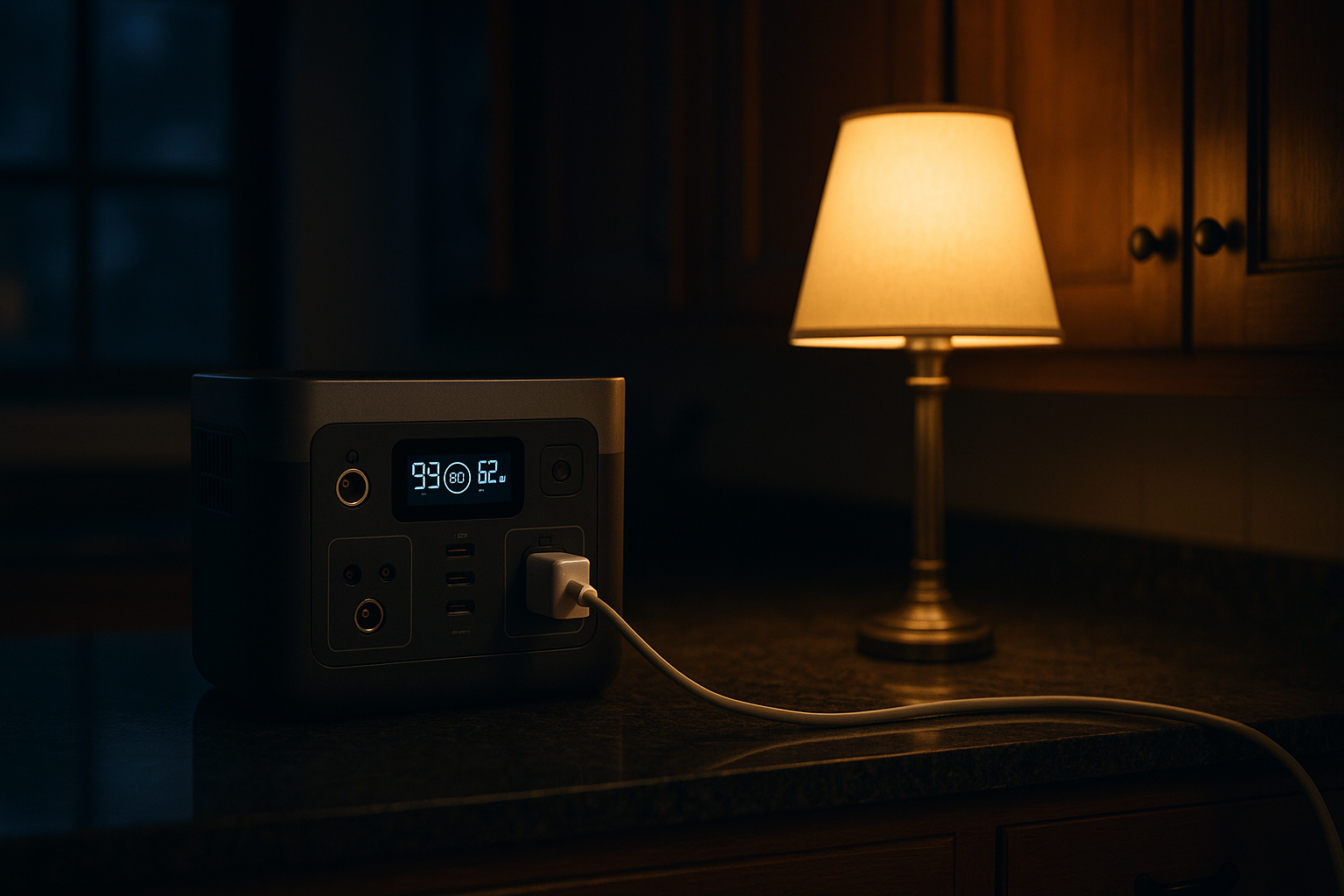
Backup power approach: A small portable power station (500–1000 Wh) can charge phones, run a small fan, and power LED task lights for 24+ hours. For climate control, a larger system or generator is needed; central AC or heat pumps draw 3000+ watts continuously, which only a whole-house battery or generator can sustain. For runtime costs and trade-offs between battery and generator options for climate control, see Portable Power Station vs Gas Generator: Which Wins for Home Backup?.
Lighting and comfort gear: - LED lanterns and headlamps (significantly longer runtime than incandescent). - Power banks for phones and critical medical devices. - Sleeping bags or thermal blankets rated for your climate.
Bathroom: Water and Sanitation
The core problem: Modern homes rely on electric pumps to move water. Without power, you lose running water, toilets, and showers. Sanitation failures create health risks quickly.
Immediate actions: - Fill the bathtub with water during an outage alert. This provides water for toilet flushing and washing. - Stock wet wipes, hand sanitizer, and trash bags for waste containment. - Keep medications and first-aid supplies in a waterproof, labeled container.
Backup power approach: If you have a well pump or pressure tank, a small generator (3000–5000 watts) can restore water pressure for several hours per day. Grid-connected homes with municipal water typically retain pressure for 4–8 hours after power loss (depending on local tank reserves). Home Generator Sizing Guide: How Many Watts Do You Really Need? walks through calculating the wattage your specific home systems require.
Water storage: - Minimum: 1 gallon per person per day for 3 days (drinking + cooking + hygiene). - Rotate stored water every 6 months; use food-grade containers.
Basement and Utilities: Sump Pumps and HVAC
The core problem: Sump pumps prevent flooding in wet basements and crawl spaces. Furnaces and heat pumps regulate temperature. Both are critical infrastructure that fail silently when power is lost.
Immediate actions: - Know where your sump pump’s backup battery or generator connection is located. Test it quarterly. - If you have a furnace, ensure it has a battery backup for the ignition circuit (many modern units do). A dead furnace can’t restart automatically when power returns.
Backup power approach: Sump pumps typically draw 500–1500 watts during operation per manufacturer specs for 1/3 to 1 HP models. A dedicated sump pump backup battery (purpose-built for this load) provides 8–24 hours of protection. For longer outages, a generator or large portable power station is necessary. Best Backup Power for Sump Pump During Power Outage reviews sump-specific solutions.
Furnaces and heat pumps are more demanding. A whole-house battery system or generator is the only practical solution. Best Battery Backup Systems for Whole House Power Outages covers integrated systems; Solar Generator vs Traditional Generator: Pros, Cons & Cost Analysis compares long-term cost and resilience.
Medical Devices and Critical Electronics
The core problem: CPAP machines, oxygen concentrators, refrigerated medications, and dialysis equipment can’t wait for the grid to return. Failure poses immediate health risk.
Immediate actions: - If you or a family member relies on powered medical equipment, contact your utility and your device manufacturer. Many utilities offer priority restoration for medical-dependent customers; manufacturers often provide guidance on battery backup options. - Keep a current list of all powered medical devices, their wattage, and runtime requirements. Share this with your doctor and backup power provider.
Backup power approach: Medical devices often require uninterruptible power supplies (UPS) or dedicated battery backup. A 2000+ Wh portable power station or whole-house battery system is the minimum for 24-hour coverage of most devices. For oxygen concentrators and dialysis, contact your provider for certified backup solutions—don’t improvise.
Communication: - Keep a phone charger in your emergency kit; a power bank rated for at least one full charge per device. - Program important numbers (doctor, pharmacy, utility) in your phone before an outage.
Choosing Your Backup Power Solution
Portable power stations (battery-only) are ideal for renters, apartments, and those who want flexibility. They’re silent, require no fuel, and can be charged via solar, AC outlet, or car charger. Downsides: limited runtime without recharging, higher upfront cost per watt-hour, and slower recharge from solar alone. Portable Power Station Charging Methods: Solar, AC, Car & Comparison details charging strategies.
Generators (fuel-based) provide unlimited runtime as long as fuel is available. They’re cheaper per watt-hour, but require fuel storage, regular maintenance, and produce noise and fumes. Conventional generators produce 80–90 dB; inverter models operate at 60–75 dB and are safer for sensitive electronics. Inverter generators regulate voltage output to ±3% stability (per manufacturer specs like Honda and Champion), protecting laptops and medical devices from surge damage. Inverter Generator vs Conventional Generator: Which Is Better? breaks down the difference.
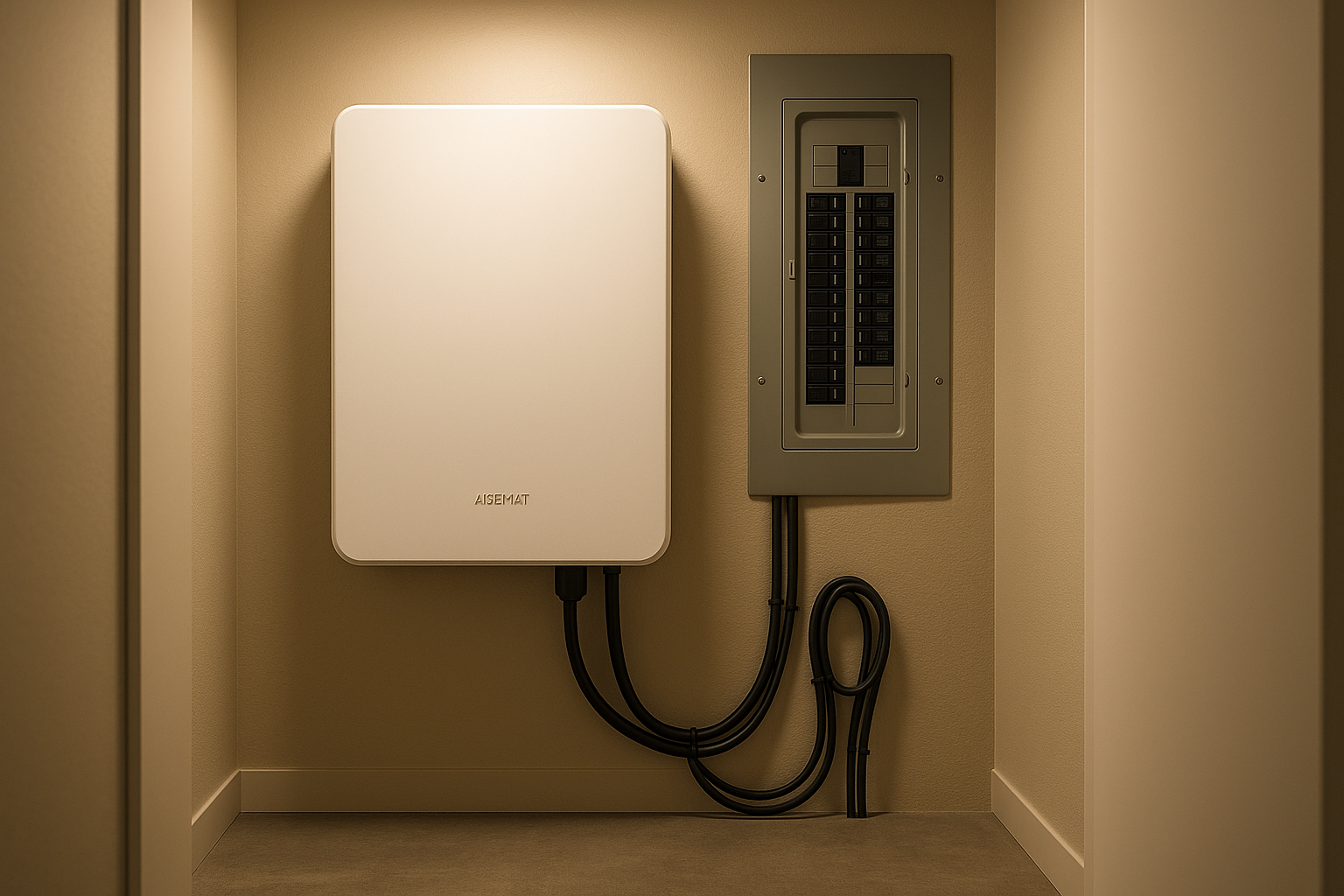
Whole-house battery systems integrate with your electrical panel and automatically switch to backup power when the grid fails. They’re the most convenient but also the most expensive. Best Battery Backup Systems for Whole House Power Outages reviews current options.
Hybrid approaches (battery + solar + generator) provide the best resilience. Use battery backup for the first 12–24 hours, solar to recharge during the day, and a generator as a fallback if the outage lasts longer than your battery can sustain. This setup minimizes fuel consumption and provides multiple failure points.
Building Your Outage Kit: Prioritized Checklist
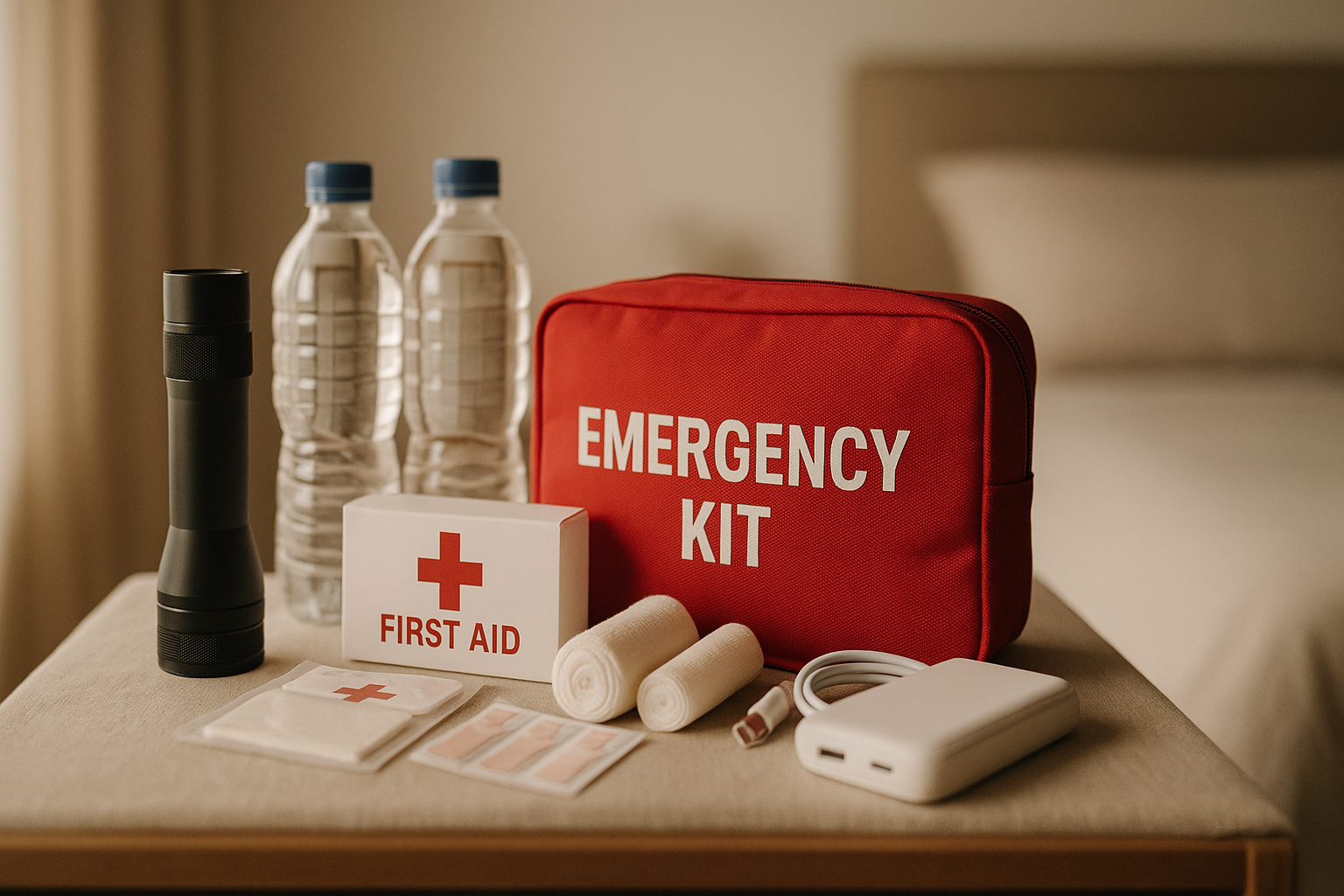
Start with Tier 1 (buy first): - Flashlights and extra batteries - First-aid kit and medications - Manual can opener - Bottled water (1 gallon per person per day, 3-day minimum) - Battery-powered or hand-crank radio
Add Tier 2 (next priority): - Portable power station (500–1000 Wh minimum): Anker 757 PowerHouse ( 1229 Wh) or Bluetti AC70 ( 768 Wh) - Sleeping bags or thermal blankets - Camping stove + fuel - Coolers and ice packs - Phone charger and power bank
Expand to Tier 3 (long-term resilience): - Larger portable power station (2000+ Wh): Jackery Explorer 2000 Pro ( 2000 Wh) or EcoFlow Delta Pro ( 3600 Wh stackable) - Generator (portable 5000–7000 W or stationary): Champion 7500-Watt Dual Fuel or Westinghouse iGen4500 ( inverter model) - Solar panels for recharging (100–400 W portable or roof-mounted) - Sump pump backup battery or generator connection kit
FAQ
What’s the cheapest way to add solar recharging to a portable power station? A 100–200 W portable solar panel paired with your existing power station provides 30–50% daily recharge in full sun. Brands like Jackery, EcoFlow, and Anker offer proprietary panels that connect directly to their stations. For you can add a 200 W panel to a mid-tier station, extending runtime by 1–2 days during an outage if weather cooperates. Roof-mounted systems but provide consistent year-round charging.
Do I need a permit to install a whole-house battery? Yes, in most jurisdictions. Whole-house batteries (10+ kWh) require electrical permits and inspection to ensure safe integration with your home’s main panel and grid connection. Check with your local building department before purchasing; some areas also offer tax credits or rebates for battery installations, which require permitting to claim. Installation typically in labor on top of equipment costs.
How long can I run essential appliances on a portable power station, accounting for real-world losses? A 2000 Wh station running a 500-watt refrigerator compressor provides roughly 3.4–3.6 hours of continuous operation, accounting for 10–15% inverter efficiency losses. With the fridge’s typical 30% duty cycle (compressor running intermittently), you’ll get 12+ hours before the station depletes. Most mid-tier stations sustain essential loads (lights, phone charging, small appliances) for 24–48 hours before requiring a recharge.
What’s the difference between a portable power station and a generator? Portable power stations are batteries charged from an outlet, car, or solar panel. They’re silent, produce no fumes, and have no fuel to store, but they deplete over time and must be recharged. Generators burn fuel (gasoline, propane, or diesel) to produce electricity on demand, providing unlimited runtime but requiring fuel storage, maintenance, and producing noise. Portable Power Station vs Gas Generator: Which Backup Should You Buy? compares both in detail.
Can I use a generator indoors? No. Gasoline and propane generators produce carbon monoxide, a deadly odorless gas. They must run outdoors, at least 20 feet from windows, doors, and vents. Portable power stations, by contrast, are safe indoors since they produce no emissions.
How do I know what size generator or power station I need? List the appliances you want to run during an outage and their wattage (check the nameplate or manual). Add up the wattages that will run simultaneously—this is your minimum capacity. Most homes need 3000–7000 watts for essential loads (fridge, furnace, lights, well pump). Home Generator Sizing Guide: How Many Watts Do You Really Need? provides a detailed sizing worksheet.
How often should I test my backup power system? Monthly for portable power stations and generators: run them for 30 minutes to verify they start and function. For whole-house batteries, test the automatic switchover quarterly (most systems have a test mode). For sump pump backups, pour water into the basin to trigger the pump and verify the backup activates.
Summary: Start Small, Build Resilience
Power outages are inevitable; suffering through them is optional. A room-by-room approach ensures you’re prepared for the outage your home is most likely to experience—not a hypothetical worst case. Start with the essentials: light, water, food preservation, and a way to charge phones and medical devices. A small portable power station (budget-tier to mid-tier) covers most of these for under a day’s outage. As your budget and confidence grow, add a generator or larger battery system, solar charging, and fuel storage.
The households that weather outages best aren’t those with the most expensive gear—they’re the ones who’ve thought through each room, identified their specific risks, and built a layered backup plan. Begin with Tier 1 supplies this week. Add Tier 2 within the next month. Tier 3 is a long-term investment, but it’s the difference between an inconvenience and a crisis.
Test your setup quarterly. Rotate stored water and fuel. Keep batteries fresh. When the power fails, you’ll be the neighbor with a plan—not the one scrambling in the dark.
Related Reading: - Apartment Power Outage Survival: No-Generator Solutions & Alternatives - Emergency Power Outage Kit: What Every Household Needs - How Long Do Portable Power Stations Last? Battery Lifespan Explained